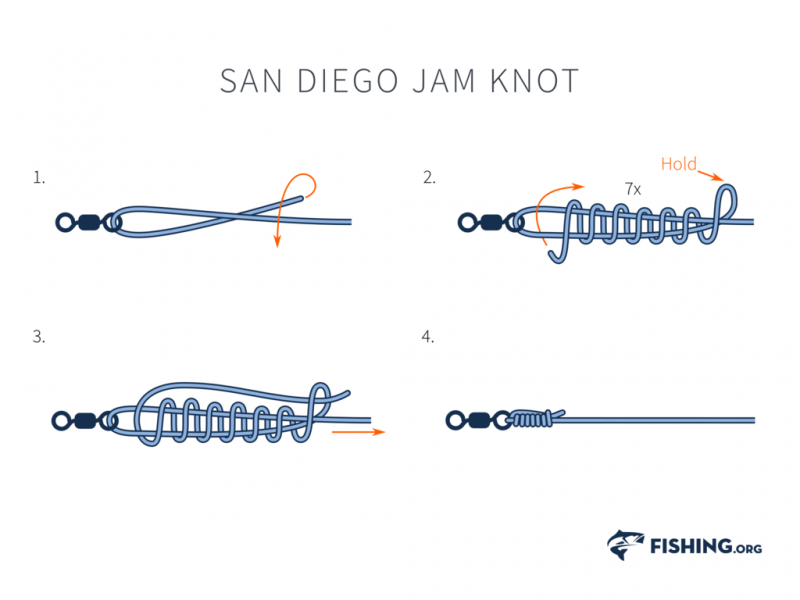
Are you tired of losing fish because your leader slips or twists? Learning how to tie a swivel leader to your fishing line can make all the difference.
It’s a simple skill that boosts your chances of landing bigger catches and keeps your gear tangle-free. In this guide, you’ll discover easy, step-by-step instructions that anyone can follow. Stick with me, and you’ll master this essential knot in no time—giving you more confidence and better results every time you fish.
Choosing The Right Swivel Leader
Picking the right swivel leader is important for fishing success. It connects your main line to the hook or lure.
Using the correct swivel leader helps prevent line twists and improves fish catching chances.
Types Of Swivel Leaders
Swivel leaders come in several types to match fishing needs. The main types are barrel, ball bearing, and snap swivels.
Each type works best in different fishing conditions and species.
- Barrel Swivels:Simple and strong, used for most fishing lines.
- Ball Bearing Swivels:Rotate smoothly to stop line twists in heavy fishing.
- Snap Swivels:Have a clip to change lures quickly without retying.
Matching Leader Strength To Fish Species
Match the leader strength to the type of fish you want to catch. Use lighter leaders for small fish and stronger ones for big fish.
Choosing the right strength helps avoid line breaks and improves fishing success.
- Light leaders (4-8 lbs) are good for panfish and trout.
- Medium leaders (10-20 lbs) fit bass and walleye fishing.
- Heavy leaders (25+ lbs) work for big fish like pike and saltwater species.
Preparing Your Fishing Line
Preparing your fishing line properly is key for a strong connection. This helps avoid losing fish or gear.
Start by making sure the line is clean and ready to tie. Check it carefully before adding a swivel leader.
Trimming And Inspecting The Line
Trim the fishing line to remove damaged or frayed ends. A clean cut ensures a smooth knot.
- Use sharp scissors or line cutters.
- Cut about half an inch from the end.
- Look closely for any weak or thin spots.
- Replace the line if it shows wear or damage.
- Keep the line dry and clean before tying.
Selecting The Best Spot For Tying
Choose a spot on the line that is easy to handle and knot securely. Avoid areas with twists or kinks.
| Spot | Description | Why It Works |
| Near the end of the line | About 2 to 3 inches from the tip | Allows firm knot tying without slipping |
| Straight section | Line without bends or twists | Prevents weak knots from uneven tension |
| Clean and dry area | Free from dirt, oil, or water | Improves knot grip and durability |
Step-by-step Tying Techniques
Tying a swivel leader to your fishing line is important for better fishing. It helps prevent line twists and makes fishing easier. Below are simple knots to tie your swivel leader securely.
These knots are easy to learn and strong enough for most fishing needs. Follow the steps carefully to tie the knots right.
Simple Improved Clinch Knot
The Simple Improved Clinch Knot is popular for tying swivels. It holds well and is easy to tie quickly.
Start by threading the fishing line through the swivel eye. Wrap the tag end around the standing line five times. Then pass the tag end through the small loop near the swivel. Finally, pull the knot tight and trim the excess line.
- Thread line through swivel eye
- Wrap tag end 5 times around standing line
- Pass tag end through small loop near swivel
- Pull knot tight
- Trim excess tag end
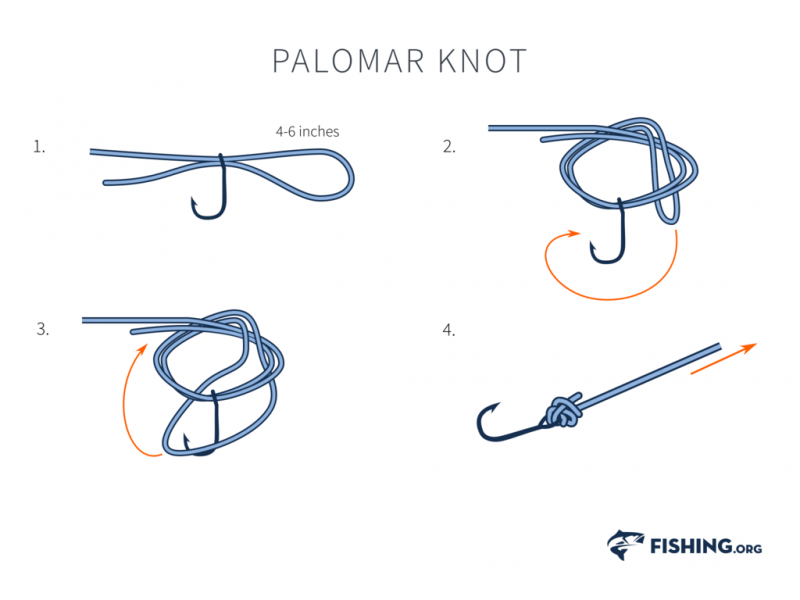
Palomar Knot For Swivels
The Palomar Knot is very strong and easy to tie. It works well with braided and monofilament lines.
Double about six inches of line and pass the loop through the swivel eye. Tie a loose overhand knot with the doubled line. Then pass the swivel through the loop. Pull both ends to tighten the knot firmly. Cut the extra line close to the knot.
- Double 6 inches of line
- Pass loop through swivel eye
- Tie loose overhand knot
- Pass swivel through loop
- Pull ends tight
- Trim excess line
Uni Knot Method
The Uni Knot is versatile and easy to adjust. It works well with different line types and swivel sizes.
Pass the line through the swivel eye and double back to make a loop. Wrap the tag end around both lines five times. Pass the tag end through the loop. Pull the tag end to tighten the coils. Slide the knot down to the swivel and pull the standing line to secure it. Cut the extra tag end.
- Pass line through swivel eye
- Double back to form loop
- Wrap tag end 5 times around lines
- Pass tag end through loop
- Tighten coils by pulling tag end
- Slide knot to swivel and pull standing line
- Trim excess tag end
Credit: medium.com
Testing Knot Strength
Tying a swivel leader to your fishing line is important. Testing the knot strength ensures it will hold during fishing.
A strong knot prevents losing fish and gear. You must check the knot before casting your line.
Pull Test Tips
After tying the knot, pull the line hard to test its strength. This simulates the force during fishing.
Pull slowly at first, then increase the force. If the knot slips or loosens, retie it.
- Hold the swivel and pull the main line firmly
- Check if the knot tightens without slipping
- Repeat the test a few times to be sure
- Trim excess tag ends to avoid snagging
Common Knot Failures To Avoid
Some knots fail because of simple mistakes. Knowing these helps you tie better knots.
Avoid these common problems to keep your knot strong and reliable.
- Not wetting the line before tightening the knot
- Pulling the knot too quickly when tightening
- Leaving too much or too little tag end
- Using the wrong knot for the line type
- Failing to test the knot after tying
Maintaining Your Tied Swivel Leader
Keeping your swivel leader in good shape helps catch more fish. Regular care stops problems before they start.
Check your knots and leaders often. This makes sure your fishing line stays strong and ready.
Regular Knot Inspection
Look at your knots before every fishing trip. Small cracks or loosening can break the line.
Feel the knots with your fingers. If the knot feels weak or rough, retie it.
- Check for frayed or damaged line near the knot.
- Make sure the knot is tight and neat.
- Retie knots if you see any damage or slipping.
- Use fresh water to rinse your knots after saltwater fishing.
Replacing Worn Leaders
Leaders wear out after many uses. Replace them if they look old or weak.
A worn leader can break easily and lose fish. Change it often for best results.
- Inspect leaders for cuts, cracks, or stiffness.
- Replace leaders showing signs of damage.
- Keep spare leaders ready in your tackle box.
- Use leaders that match your fishing needs and conditions.

Credit: www.youtube.com

Credit: www.youtube.com
Frequently Asked Questions
What Is A Swivel Leader In Fishing?
A swivel leader is a short fishing line segment connected to a swivel. It prevents line twist and improves bait presentation. It also adds strength and durability between your main line and lure or bait.
Why Use A Swivel Leader With Fishing Line?
Using a swivel leader reduces line tangling and twisting. It enhances casting distance and bait movement. It also protects the main line from fish bites and abrasions, improving overall fishing success.
How Do I Tie A Swivel Leader Properly?
Use a strong knot like the Palomar or improved clinch knot. Pass the line through the swivel eye, tie the knot securely, and trim excess line. Ensure the knot is tight for maximum strength.
Can I Use Any Fishing Line For A Swivel Leader?
Swivel leaders work best with monofilament or fluorocarbon lines. These provide flexibility, strength, and abrasion resistance. Match the leader’s strength to your main line and target fish species for best results.
Conclusion
Tying a swivel leader to your fishing line is simple and useful. It stops your line from twisting and makes fishing easier. Practice the steps slowly to get it right every time. Use the right knots for a strong hold.
Keep your gear ready and enjoy more successful fishing trips. With patience, you will improve quickly. Try it next time you fish and see the difference.