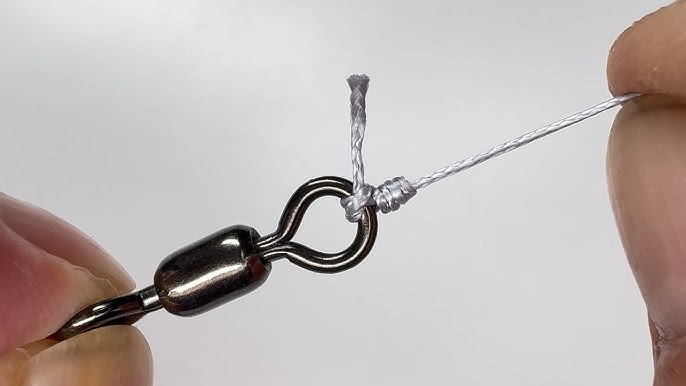
If you love fishing, you know that every small detail matters. One of the most important skills you need is tying a swivel on your fishing line correctly.
A well-tied swivel can make a big difference in preventing your line from twisting and keeping your bait moving naturally. But if you’ve ever struggled with this knot or wondered how to do it right, you’re not alone. In this guide, you’ll learn a simple, step-by-step method to tie a swivel that will hold strong and boost your fishing success.
Keep reading—you’re just minutes away from mastering a skill that will make your next fishing trip much better.

Credit: www.youtube.com
Choosing The Right Swivel
Choosing the right swivel is important for fishing success. A good swivel stops the line from twisting. It also helps connect different types of fishing gear.
There are many types of swivels. You need to pick one that matches your fishing line and style. This guide will help you find the right swivel.
Types Of Swivels
Swivels come in several types. Each type has a special use in fishing. Knowing these types helps you choose the best one.
- Barrel Swivel:Simple and strong, good for most fishing lines.
- Ball Bearing Swivel:Smooth rotation, great for heavy lines and big fish.
- Three-Way Swivel:Connects three lines, used for multiple rigs.
- Snap Swivel:Has a clip to change lures quickly.
Matching Swivel Size To Line
Choosing the right size swivel is as important as choosing the type. A swivel too big or too small can cause problems.
| Line Strength (lbs) | Recommended Swivel Size |
|---|---|
| 2 – 6 | Small |
| 6 – 12 | Medium |
| 12 – 20 | Large |
| 20+ | Extra Large |
Pick a swivel size that matches your line strength. This keeps your rig strong and balanced.

Credit: www.youtube.com
Preparing Your Fishing Line
Before you start fishing, it’s important to prepare your line properly. This ensures a successful experience on the water.
Proper preparation involves inspecting and moistening the line. Let’s dive into these steps for better fishing results.
Cutting And Inspecting The Line
Begin by cutting the fishing line to the desired length. Use sharp scissors to make a clean cut.
- Check the line for any nicks or abrasions.
- Ensure the line is free of twists and tangles.
- Replace the line if any damage is found.
Moistening The Line For Knot Tying
Moistening your line makes it easier to tie knots. It also reduces friction and prevents the line from weakening.
Step-by-step Knot Tying
Tying a swivel on a fishing line is easy with clear steps. This guide shows you how to do it right.
Follow each part carefully to ensure your knot is strong and secure before fishing.
Threading The Line Through The Swivel
Start by passing the end of your fishing line through the eye of the swivel. Pull enough line through so you can work with it comfortably.
Creating The Loop
Make a small loop by doubling the line back toward itself. This loop will be the base for wrapping the line around.
Wrapping The Line
- Hold the loop firmly with one hand.
- Wrap the loose end of the line around the doubled line 5 to 7 times.
- Make sure the wraps are tight and neat, staying close to the loop.
Securing The Knot
| Action | Tip |
|---|---|
| Pull the loose end | Do it slowly to tighten the wraps firmly. |
| Slide the knot | Move it close to the swivel eye without leaving gaps. |
| Trim excess line | Leave about 1/4 inch to avoid slipping. |
Once tightened and trimmed, your swivel knot is ready for use. Check it before every fishing trip.

Credit: www.youtube.com
Testing Knot Strength
After tying a swivel on your fishing line, check the knot’s strength. This ensures it will hold under pressure.
Testing helps avoid losing fish or gear due to weak knots. Always test before fishing.
Pulling To Check Tightness
Pull the knot firmly to see if it holds tight. Use steady pressure, not a quick jerk.
If the knot slips or loosens, retie it. A strong knot stays tight and does not move.
- Hold the swivel and fishing line separately.
- Pull both ends slowly and firmly.
- Watch for any slipping or loosening.
- Retie if the knot feels weak.
Common Mistakes To Avoid
Some errors can make the knot fail. Avoid these to keep your fishing line secure.
- Not wetting the line before tightening the knot.
- Tying too few wraps around the swivel.
- Pulling the knot too fast or too hard.
- Using damaged or old fishing line.
- Not trimming tag ends properly, leaving too much line.
Tips For Durable Knots
Tying a swivel on a fishing line needs care for lasting strength. Durable knots keep your line and swivel secure while fishing.
Using the right tools and maintaining your gear helps make knots stronger. This guide covers useful tips for tough knots.
Using Knotting Tools
Knotting tools make tying easier and improve knot quality. They reduce strain on your fingers and help with tight wraps.
- Use a knot-tying tool to hold the line steady.
- Choose pliers with fine tips for pulling knots tight.
- Use a hook eye threading tool for hard-to-reach swivels.
- Keep tools clean to avoid damaging the fishing line.
Maintaining Your Swivels And Lines
Good maintenance prevents wear that weakens knots. Check swivels and lines regularly for damage and replace parts as needed.
| Maintenance Task | Frequency | Tip |
| Inspect swivel for rust | Before each trip | Replace if rust appears |
| Check line for frays | After every use | Cut and retie if damaged |
| Lubricate swivel | Monthly | Use light oil to reduce friction |
| Store line properly | After fishing | Keep dry and away from sunlight |
Frequently Asked Questions
What Is The Best Knot To Tie A Swivel On Fishing Line?
The improved clinch knot is the best for tying swivels. It provides a strong, secure hold and is easy to tie.
Why Should I Use A Swivel On My Fishing Line?
A swivel prevents line twisting and tangling. It improves bait movement and increases casting distance.
How Tight Should I Tie A Swivel Knot?
Tie the knot snug but not too tight. This ensures strength and prevents line damage or slippage.
Can I Use Any Fishing Line To Tie A Swivel?
Yes, swivels work with monofilament, fluorocarbon, and braided lines. Just choose the right swivel size for your line.
Conclusion
Tying a swivel on a fishing line is simple and useful. It stops the line from twisting and tangling. Practice the steps a few times to get better. Use a strong knot to keep your gear safe. This skill helps you fish with less trouble and more fun.
Keep your line steady and ready for any catch. Try it next time you go fishing. You will see the difference it makes.