Tying a swivel onto your fishing line might seem tricky at first, but once you learn the right method, it becomes quick and easy. A properly tied swivel can make a huge difference in your fishing experience by preventing line twists and improving your bait’s movement.
If you want to fish smarter and catch more, mastering this simple skill is a must. Keep reading, and you’ll discover step-by-step instructions that anyone can follow—no confusing knots or frustrating mistakes. Let’s get your fishing line ready for success!

Credit: www.youtube.com
Choosing The Right Swivel
Picking the right swivel is key to a strong fishing line setup. The swivel stops the line from twisting and tangling.
Knowing the types and sizes helps you match the swivel to your fishing needs.
Types Of Swivels
Swivels come in different styles. Each style suits a certain fishing method or fish type.
- Barrel Swivels:Simple and strong, good for general fishing.
- Ball Bearing Swivels:Spin smoothly to reduce line twist on big fish.
- Three-Way Swivels:Allow attaching multiple lines or lures.
- Snap Swivels:Include a clip for quick lure changes.
Selecting Swivel Size
Size matters when choosing a swivel. The wrong size can weaken your setup or scare fish away.
| Swivel Size | Line Test Range (lbs) | Common Use |
| Small (Size 10-14) | 2 – 8 | Light freshwater fishing |
| Medium (Size 6-8) | 8 – 20 | General freshwater and light saltwater |
| Large (Size 1-4) | 20 – 50+ | Heavy saltwater and big game fishing |
Preparing The Fishing Line
Getting your fishing line ready is important before tying a swivel. This step makes sure your line is strong and easy to handle.
Proper preparation helps avoid problems like knots slipping or the line breaking while fishing.
Trimming And Straightening
Start by cutting the fishing line to the right length. Use sharp scissors or a line cutter for a clean edge. This makes tying the swivel easier.
- Cut off any frayed or damaged ends
- Straighten the line by gently pulling it taut
- Remove any twists or tangles before tying
Checking For Damage
Look closely at the line for any signs of wear. Small cuts or weak spots can cause the line to break under pressure.
| Damage Type | What to Do |
| Frayed Ends | Trim and discard |
| Small Cuts | Replace line section |
| Discoloration | Check strength before use |
| Weak Spots | Do not use |
Step-by-step Knot Tying
Tying a swivel onto a fishing line is easy with clear steps. A good knot keeps your gear secure and ready for fishing.
This guide shows simple steps to tie the swivel knot correctly. Follow each part to ensure a strong connection.
Threading The Swivel
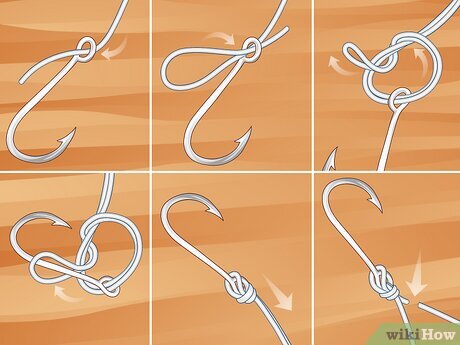
Start by passing the end of your fishing line through the eye of the swivel. Pull enough line through to make wrapping easier.
Hold the swivel in one hand and the line in the other. Make sure the line is straight and not twisted.
Making The Initial Wraps
Wrap the loose end of the line around the standing line five to seven times. Keep the wraps neat and close together.
Make sure the wraps go toward the swivel, not away from it. This helps the knot hold better when tightened.
- Hold the swivel steady
- Wrap line tightly around the main line
- Count 5 to 7 wraps
- Keep wraps neat and close
Securing The Knot
Take the loose end of the line and pass it back through the small loop next to the swivel’s eye. This loop formed when you first threaded the swivel.
Make sure the line goes through the loop in the right direction. This locks the wraps in place for a strong knot.
Tightening And Trimming
Hold the swivel and pull the standing line slowly to tighten the knot. The wraps should slide down and snug against the swivel eye.
Once tight, trim the loose end close to the knot. Leave a small bit to prevent slipping.
- Pull line gently to tighten
- Check knot is snug and neat
- Trim loose end close to knot
- Leave a small tag for safety
Testing Knot Strength
After tying a swivel onto your fishing line, it is important to test the knot strength. This helps ensure the knot will hold during fishing. Testing prevents losing fish or gear.
Proper testing shows if the knot is secure or if it needs adjustment. Two main ways to test are applying tension and spotting weak points.
Applying Tension
Pull the line slowly to apply steady tension on the knot. This simulates the force the knot faces when a fish pulls.
Keep increasing the tension until you feel resistance or the knot slips. This shows the knot’s maximum holding power.
- Hold the swivel firmly
- Pull the line with steady force
- Watch for any slippage
- Stop if the knot slips or breaks
Spotting Weak Points
Look closely at the knot for thin or loose loops. These can weaken the knot and cause failure.
Check if the line twists or frays near the knot. These signs mean the knot is not secure enough.
- Examine each loop of the knot
- Look for uneven line tension
- Watch for line damage or fraying
- Retie knot if weak spots appear
Common Knot Mistakes
Tying a swivel onto a fishing line seems simple. Yet, many anglers make mistakes that weaken the knot.
Knowing common knot errors helps you tie stronger, more reliable connections. Avoid these issues for better fishing results.
Loose Wraps
Loose wraps occur when the line coils around the swivel without tightness. This can cause the knot to slip or come undone.
- Make sure each wrap lies snug against the previous one.
- Keep tension on the line while wrapping.
- Avoid gaps between wraps to prevent slippage.
Incorrect Threading
Threading the line through the swivel eye the wrong way weakens the knot. It reduces knot strength and may cause breakage.
| Common Threading Errors | Effect on Knot |
| Skipping the swivel eye | Knot slips off easily |
| Double threading the line | Creates bulk, weakens knot |
| Threading in wrong direction | Reduces knot tightness |
Over-tightening
Pulling the knot too tight can damage the fishing line. It may cause small cuts or weaken the line fibers.
- Tighten the knot firmly but gently.
- Stop pulling once the knot feels secure.
- Wet the line before tightening to reduce friction.

Credit: www.youtube.com
Tips For Maintaining Strong Knots
Tying a swivel onto your fishing line is important for a strong setup. Keeping your knots strong helps avoid losing fish.
Check your knots often and replace old lines to keep your fishing gear reliable and ready.
Regular Inspection
Look at your knots before every fishing trip. Check if the line is frayed or weak near the swivel.
Wet lines can hide damage. Dry your line and inspect it closely for any small cuts or worn spots.
- Check for looseness in the knot
- Feel for rough or thin spots on the line
- Retie knots if you see damage or slipping
Replacing Old Line
Fishing lines get weaker over time. Replace old lines to keep knots strong and secure.
Change your line if it is over six months old or looks worn. Fresh line holds knots better and lasts longer.
- Remove old line completely before adding new line
- Use line suitable for your fishing type and weight
- Store line properly to prevent damage from sunlight

Credit: m.youtube.com
Frequently Asked Questions
How Do I Securely Tie A Swivel To Fishing Line?
Use the improved clinch knot to tie the swivel. Pass the line through the swivel eye, wrap it around five times, then thread the tag end through the loop. Pull tight and trim excess line for a secure connection.
Why Use A Swivel On A Fishing Line?
A swivel prevents line twisting and tangling. It allows the bait or lure to move freely. This improves casting and reduces line damage, enhancing fishing efficiency and catch rates.
What Type Of Swivel Is Best For Fishing?
Choose a swivel size based on your fishing line strength. Ball bearing swivels offer smooth rotation and durability. Barrel swivels are simpler and suitable for lighter fishing conditions.
Can I Tie A Swivel Without Tools?
Yes, you can tie a swivel by hand. Use your fingers to wrap the line and tighten the knot. Practice helps improve knot strength and reliability without tools.
Conclusion
Tying a swivel to a fishing line is easy. Follow simple steps. Ensure the knot is tight. This prevents line twisting. Practice makes perfect. Choose the right swivel size for your fishing needs. Use quality line and swivel for best results.
Keep your gear organized. This saves time when fishing. Enjoy your fishing trips with confidence. Catch more fish by being prepared. Happy fishing!