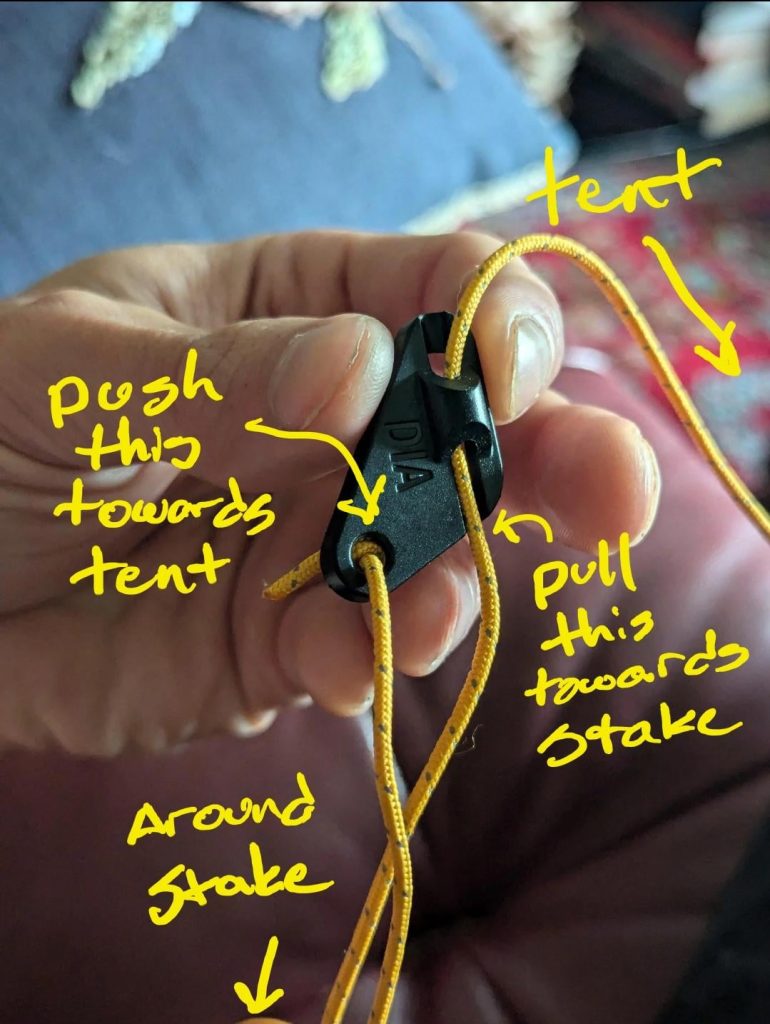
Tying a tent guy line might seem simple, but doing it wrong can lead to a shaky tent or even a ruined camping trip. You want your tent to stand strong against wind and rain, and the right knot makes all the difference.
In this guide, you’ll learn an easy and reliable way to tie your guy lines so your tent stays secure no matter the weather. Keep reading—you’re about to discover a skill that will make your camping experience safer and more comfortable.
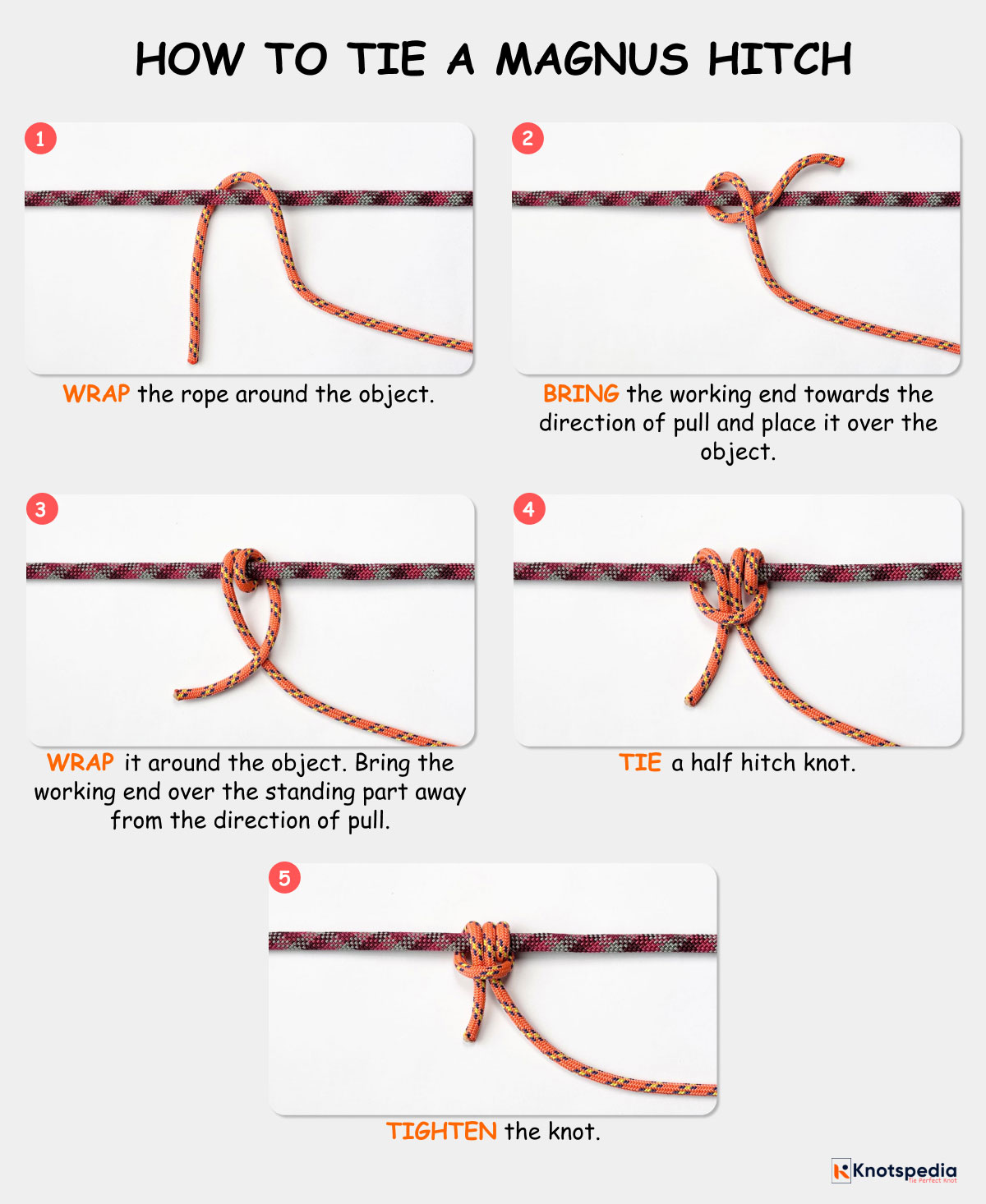
Credit: knotspedia.com
Choosing The Right Guy Line
Picking the right guy line helps keep your tent stable and safe. The right line holds well in wind and rain. It also makes setup easier and faster.
Consider the material, length, and visibility of your guy lines. These factors affect how well your tent stays up and how easy it is to use.
Material Options
Guy lines come in different materials. Each has its own strength and stretch level. Choose one that fits your camping needs.
- Nylon:Strong and stretches a little to absorb shock.
- Polyester:Less stretch and very durable in sunlight.
- Dyneema:Very light, strong, and low stretch but costs more.
- Polypropylene:Cheap but less strong and more stretch.
Ideal Length
Choose a guy line length that fits your tent and camping area. Too short and it won’t hold well. Too long and it can get tangled or caught.
| Length | Use Case | Notes |
| 6 feet (1.8 m) | Small tents or tight spaces | Easy to handle, less slack |
| 10 feet (3 m) | Most tents | Good balance of reach and control |
| 15 feet (4.5 m) | Large tents or windy areas | Extra length for strong anchoring |
Reflective Vs Non-reflective
Guy lines can be reflective or plain. Reflective lines help you see them in the dark. Non-reflective ones blend in better during the day.
- Reflective:Safer at night, reduces tripping risk.
- Non-Reflective:Less visible, better for natural look.
Essential Knots For Guy Lines
When setting up a tent, knowing how to tie guy lines is crucial. Proper knots ensure your tent stays secure and stable.
In this guide, we will cover three important knots. These knots will help you tie your tent guy lines effectively.
Taut-line Hitch
The taut-line hitch is adjustable and perfect for tents. It allows you to tighten or loosen the line without untying the knot.
This knot is useful for changing tension as needed. It helps keep your tent stable in windy conditions.
- Wrap the line around a stake.
- Make two loops around the standing line.
- Pull the end through the loops to tighten.
Bowline Knot
The bowline knot creates a fixed loop at the end of the rope. It is strong and easy to untie, even after bearing a load.
This knot is ideal for securing lines to tent corners. It holds well under pressure and is simple to learn.
- Make a small loop in the line.
- Pass the end through the loop.
- Wrap it around the standing line and back through the loop.
Truckers Hitch
The truckers hitch provides excellent tension for guy lines. It is perfect for securing loads tightly.
Use this knot to ensure your tent is anchored firmly. It is great for creating a strong and adjustable line.
- Create a loop in the line with a slip knot.
- Thread the end through the loop and pull tight.
- Tie off the end with a secure knot.
Preparing The Guy Line
Tying a tent guy line correctly keeps your tent stable and secure. Preparing the guy line well is important before you start camping.
This guide covers measuring, attaching, and securing the guy line. Follow these steps for a strong setup.
Measuring And Cutting
Measure the guy line length based on your tent size and stake distance. Cut the line with extra length for knots and adjustments.
- Measure from the tent attachment point to the stake location.
- Add at least 2 feet (60 cm) extra length for tying knots.
- Use sharp scissors or a knife to cut the line cleanly.
- Seal cut ends with heat to stop fraying.
Attaching To Tent
Attach the guy line securely to the tent’s loops or rings. Use strong knots that are easy to adjust and hold tension.
- Tie a bowline knot to create a fixed loop on the tent attachment point.
- Use a taut-line hitch knot for adjustable tension along the guy line.
- Check that knots are tight and will not slip under wind pressure.
Securing To Stakes
Secure the other end of the guy line to the tent stakes firmly. This keeps the tent stable in strong winds.
| Step | Action | Tip |
|---|---|---|
| 1 | Insert stake at a 45-degree angle away from the tent. | This increases hold in the ground. |
| 2 | Loop guy line around the stake. | Leave enough slack for tightening. |
| 3 | Tie a taut-line hitch knot around the stake. | Allows easy tension adjustment. |
| 4 | Pull the guy line tight and check the tent stability. | Adjust knot as needed. |

Credit: www.youtube.com
Step-by-step Tying Process
Tying a tent guy line helps keep your tent stable in wind and rain. You need to secure it tightly to avoid movement.
This guide shows you how to tie your guy line with clear steps. Follow each part to get the best hold.
Setting Anchor Points
Find strong spots to attach your guy lines. These spots hold the tent steady and keep it from falling.
Use trees, stakes, or rocks as anchor points. Make sure the ground is firm and the points are at a good distance.
- Choose a spot about 45 degrees from the tent pole
- Pick firm ground to place stakes
- Use natural anchors if possible, like trees or big rocks
- Make sure anchors are far enough to pull lines tight
Adjusting Tension
After tying the line, adjust the tension to keep the tent firm. Tighten or loosen the line as needed.
Check the guy line often. It should be tight but not so tight that it damages the tent fabric.
- Pull the guy line to remove slack
- Use a tensioner or knot to hold the line tight
- Leave some flexibility for wind movement
- Recheck tension after strong wind or rain
Final Tightening Tips
Make final adjustments to ensure your guy lines stay secure. This helps your tent stay safe in bad weather.
Use simple knots that are easy to untie later. Avoid over-tightening that can damage the tent poles or fabric.
- Double-check all knots for security
- Use a taut-line hitch for easy tension changes
- Keep lines straight and free of twists
- Trim excess line to prevent tripping
Common Mistakes To Avoid
Tying tent guy lines is important for a strong and steady tent. Many people make simple errors that cause problems. Avoiding these mistakes helps keep your tent safe in wind and rain.
This guide covers the most common errors to watch out for. Fix these to improve your camping experience and protect your gear.
Loose Knots
Loose knots can cause your guy lines to slip or come undone. This makes the tent unstable and can lead to damage. Always double-check your knots after tying.
Use tight and secure knots like the taut-line hitch. Avoid simple overhand knots that may loosen over time.
- Check knots regularly during use
- Practice tying secure knots before camping
- Pull lines tight before securing the knot
Improper Stake Placement
Placing stakes in the wrong spot weakens the guy line tension. Stakes too close to the tent or too far can cause poor support. Choose firm ground away from rocks or roots.
Drive stakes at a 45-degree angle away from the tent. This holds the line firmly and stops stakes from pulling out.
- Place stakes in solid soil or sand
- Angle stakes away from the tent
- Check for obstacles under the ground
Overtightening Risks
Overtightening guy lines can damage tent fabric and poles. It can also cause the stakes to pull loose. Tighten lines enough for support but not so much that it strains the tent.
Watch for fabric stretching or pole bending. Adjust the tension if needed to keep the tent safe and stable.
- Keep lines taut but not rigid
- Check tension after wind or rain
- Loosen lines slightly if fabric pulls

Credit: www.reddit.com
Maintenance And Safety Tips
Tying tent guy lines correctly keeps your tent stable. Regular care helps avoid accidents and damage.
Use these tips to keep your guy lines strong and safe during every camping trip.
Regular Checks
Check your guy lines often for wear and tear. Look for frayed ropes or broken knots.
Replace damaged lines to keep your tent secure and safe in strong winds.
- Inspect knots for tightness
- Look for cuts or abrasions on ropes
- Test tension before bad weather
- Replace worn or damaged lines immediately
Weather Considerations
Weather affects how you use your tent guy lines. Tighten lines more in windy conditions.
Wet ropes can stretch and weaken. Dry them before packing to keep strength.
- Tighten guy lines in strong winds
- Check lines after heavy rain
- Dry wet ropes to prevent stretching
- Loosen lines if freezing to avoid damage
Storing Guy Lines
Store your guy lines in a dry, cool place after use. Avoid sun exposure to prevent fading.
Coil lines neatly to stop tangles and damage. Keep them away from sharp objects.
- Keep guy lines dry before storage
- Coil lines to prevent knots
- Store in a bag or container
- Avoid direct sunlight and heat
Frequently Asked Questions
How Do You Tie A Tent Guy Line Securely?
To tie a tent guy line securely, use a taut-line hitch knot. It allows easy adjustment and holds tension firmly. Wrap the rope around the stake, make two loops inside the standing line, then slide the knot to tighten or loosen as needed.
Why Is Tying A Tent Guy Line Important?
Tying a tent guy line is important for stability. It prevents the tent from collapsing in wind or rain. Properly secured guy lines distribute tension evenly, keeping the tent upright and safe. This ensures a comfortable and weather-resistant camping experience.
What Is The Best Knot For Tent Guy Lines?
The taut-line hitch knot is best for tent guy lines. It is adjustable, strong, and easy to tie. This knot holds tension well and can be tightened or loosened without untying. It works perfectly for securing guy lines in different weather conditions.
How Tight Should Tent Guy Lines Be?
Tent guy lines should be tight but not overly strained. Tight lines keep the tent stable and prevent sagging. However, avoid excessive tension that could damage stakes or fabric. Adjust lines to maintain firm support while allowing slight flexibility.
Conclusion
Tying a tent guy line is simple with the right steps. Practice makes your knots strong and secure. A well-tied guy line keeps your tent stable in wind. Use basic knots and check them often. Take your time and adjust the tension as needed.
This helps protect your tent and makes camping safer. Try tying your guy lines before your trip. Soon, it will feel easy and natural. Enjoy your outdoor adventures with confidence and comfort.