You’re about to set up your tent, but the stakes just won’t hold. Frustrating, right?
Knowing how to tie a strong tent stake knot can change everything. It keeps your tent secure, even in windy or rainy conditions. In this guide, you’ll learn simple, step-by-step techniques that anyone can master. By the end, you’ll feel confident that your tent will stay put, giving you peace of mind and more time to enjoy your adventure.
Ready to make your camping setup rock solid? Let’s get started.
Credit: thebearessentials.com
Choosing The Right Knot
Tying a tent stake knot keeps your tent stable and safe. Picking the right knot helps hold the stake tightly.
Different knots suit different tents and ground types. Knowing which knot to use makes camping easier.
Types Of Tent Stake Knots
Tent stake knots come in many styles. Each knot has a special way to hold the rope and stake.
Some knots are quick to tie. Others are stronger and hold better in wind.
- Bowline Knot:Creates a fixed loop. Strong and reliable.
- Trucker’s Hitch:Offers great tension. Keeps rope tight.
- Taut-Line Hitch:Adjustable knot that holds well under pressure.
Best Knots For Different Grounds
Ground type affects how well your tent stake holds. Soft or hard ground needs different knots.
Use knots that suit the soil to keep your tent secure in all conditions.
| Ground Type | Best Knot | Reason |
|---|---|---|
| Soft Soil | Trucker’s Hitch | Allows tight tension to keep stakes firm |
| Rocky Ground | Bowline Knot | Strong loop that won’t slip on anchor points |
| Loose Sand | Taut-Line Hitch | Adjustable tension to hold rope tight |
| Firm Dirt | Clove Hitch | Quick to tie and holds well |

Credit: thebearessentials.com
Tools And Materials Needed
Tying a tent stake knot needs some basic tools and materials. Having the right items helps you make a strong and safe knot.
Good preparation means your tent stays secure in different weather conditions. Let’s look at what you need.
Selecting Suitable Rope
Choose rope that is strong and weather-resistant for tent staking. The rope must hold tight under tension.
Look for ropes that resist water and do not stretch much. This keeps your tent stable and safe.
- Nylon ropes are strong and dry fast
- Polyester ropes resist UV and abrasion
- Thin ropes around 4 to 6 mm work well
- Choose rope length based on tent size
Additional Equipment Tips
Besides rope, you need some extra tools to tie a good stake knot. These help you work faster and safer.
Using the right equipment makes pitching your tent easier and more secure.
- Tent stakes made of metal or strong plastic
- Hammer or mallet to drive stakes into the ground
- Gloves to protect your hands while tying knots
- Measuring tape to ensure correct rope length
- Knife or scissors to cut rope if needed
Step-by-step Knot Tying
Tying a tent stake knot helps secure your tent in windy weather. This knot holds the rope firmly to the stake. Follow clear steps to tie it right every time.
Use a strong rope and learn the correct method. This guide shows how to prepare the rope, tie the knot, and secure it well.
Preparing The Rope
Start with a rope that is free from knots and damage. The length should be enough to reach from the tent to the stake with some extra for tying.
- Check the rope for cuts or frays
- Cut the rope to the right length, about 6 feet
- Untangle any knots or twists
- Hold the rope firmly but gently
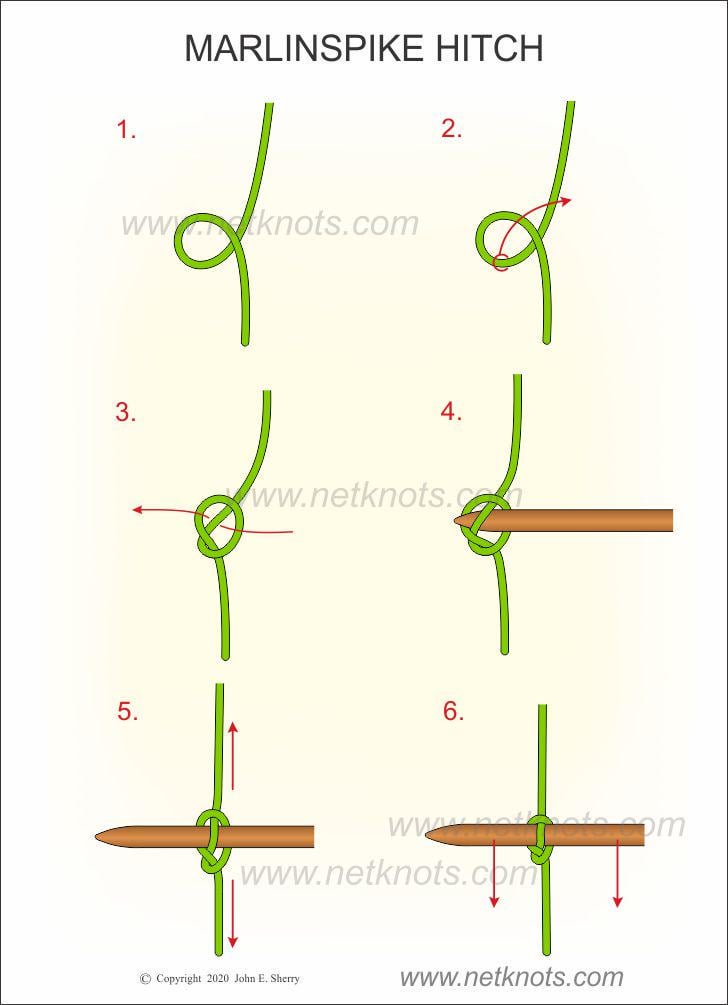
Tying The Basic Stake Knot
Wrap the rope around the stake to start the knot. Make sure the stake is pushed firmly into the ground before tying.
- Pass the rope around the stake once
- Cross the rope over itself to form a loop
- Pull the end through the loop you created
- Tighten the loop snugly against the stake
Securing The Knot
Keep the knot tight to hold the tent securely. Use extra wraps or a hitch to prevent slipping.
| Action | Reason |
| Pull rope tight | Prevents loosening in wind |
| Add half hitch | Secures loose ends |
| Bury stake deep | Improves stability |
| Check knot regularly | Ensures safety while camping |
Common Mistakes To Avoid
Tying a tent stake knot seems simple but many make mistakes. These errors can cause your tent to come loose or collapse.
Knowing what to avoid helps keep your tent secure and stable during camping trips.
Loose Knots
Loose knots do not hold the stake tightly. Wind or movement can easily undo them. This makes your tent unsafe.
Always pull the knot tight and check it before finishing. A tight knot keeps the tent fabric firm and stable.
Incorrect Tension
If the knot is too tight or too loose, it causes problems. Too tight can damage the rope or stake. Too loose will not hold well.
Adjust the tension so the rope is firm but not stretched to the point of breaking.
- Check tension after tying the knot
- Re-tighten if the rope moves or slips
- Do not pull the rope too hard
Wrong Stake Placement
Placing the stake in soft or loose ground will not hold the knot. The stake may pull out easily.
Put stakes in firm, solid ground and at the correct angle. This helps the knot stay tight and the tent stable.
- Push stakes at a 45-degree angle away from the tent
- Check ground firmness before placing stakes
- Use longer stakes in sandy or loose soil
Tips For Different Weather Conditions
Tying a tent stake knot needs care in different weather. Weather changes affect how strong your knots hold. Use the right method to keep your tent secure.
Read these tips for windy, wet, and rocky places. Proper knots help your tent stay safe and stable.
Windy Environments
In strong wind, use tight and firm knots. A double half hitch knot works well. It grips the stake and rope tightly. Check knots often as wind can loosen them.
- Use thicker rope for better grip
- Tie extra knots for security
- Place stakes deep into the ground
- Face the knot away from the wind
- Check knots regularly during strong wind
Wet And Muddy Grounds
Wet or muddy soil can make stakes slip. Use knots that hold tight even if the stake moves. The taut-line hitch knot adjusts tension easily and keeps your tent secure.
| Tip | Reason |
| Use longer stakes | Better hold in soft soil |
| Tie taut-line hitch knot | Allows tension adjustment |
| Place stakes at an angle | Increases ground grip |
| Check and tighten knots often | Prevents loosening from mud |
Rocky Terrain
Rocks make it hard to drive stakes. Use knots that keep rope tight and allow anchoring to rocks or trees. The figure-eight knot is strong and easy to untie after tension.
Tips for Rocky Terrain:
- Use natural anchors like trees or large rocks
- Tie figure-eight knots for secure loops
- Use webbing straps if stakes won’t hold
- Protect rope from sharp edges with cloth
Testing And Adjusting The Knot
Tying a tent stake knot is important for a secure camping setup. After tying, you need to test and adjust the knot. This ensures your tent stays stable in different weather conditions.
Checking the knot’s stability and using re-tightening techniques will help keep your tent anchored well. Follow these tips to maintain a strong hold.
Checking Stability
After you tie the knot, check how firm it holds. Pull the stake and rope gently to test the tension. Watch for any slipping or loosening.
- Pull the rope to feel if it holds tight.
- Look for movement in the stake or rope.
- Check if the knot stays in place under pressure.
- Inspect the rope for any wear or damage.
- Test in different directions to simulate wind or weight.
Re-tightening Techniques
If the knot loosens, use these steps to tighten it again. Proper re-tightening keeps your tent secure and prevents accidents.
| Technique | How to Do It | When to Use |
| Pull and Slide | Pull the free end of the rope and slide the knot up to tighten. | When the knot feels loose but still holds. |
| Re-wrap the Loop | Unwrap the loop and wrap it again tighter around the stake. | When the knot slips on the stake surface. |
| Add a Backup Knot | Tie a small knot next to the main one to lock it in place. | When extra security is needed in strong winds. |
| Check Stake Position | Reposition the stake deeper into the ground if loose. | When the ground is soft or the stake moves. |
Alternative Methods For Securing Tents
Tying a tent stake knot is common for setting up tents. You can also use other ways to keep your tent steady. These methods help in different weather and ground conditions.
Using strong and reliable ways to secure your tent is important. It stops your tent from moving or falling during wind or rain.
Using Guy Lines
Guy lines are ropes tied from the tent to the ground. They add extra support and keep the tent steady. You can adjust them to tighten or loosen the tent.
Attach guy lines to the tent’s loops or rings. Then, secure the other end to a stake or anchor in the ground. Use tensioners or knots to keep the lines tight.
- Choose strong rope for durability
- Place stakes at a 45-degree angle
- Tighten lines to avoid sagging
- Check tension regularly
Anchor Systems
Anchor systems use different tools to hold the tent in place. These include heavy-duty stakes, sand anchors, or screw anchors. They are useful in soft or loose soil.
For sandy or snowy ground, use anchors designed to grip better. Screw anchors twist into the soil for a strong hold. Heavy-duty stakes work well on hard or rocky ground.
- Pick anchors based on soil type
- Drive anchors deep for stability
- Use tools like a hammer or wrench
- Secure tent lines tightly to anchors

Credit: www.wikihow.com
Frequently Asked Questions
What Is A Tent Stake Knot?
A tent stake knot secures your tent to the ground. It’s a strong, reliable knot used to anchor tent guy lines to stakes. This knot helps maintain tent stability in windy conditions. It’s essential for outdoor camping, ensuring your tent stays firmly in place.
How Do You Tie A Tent Stake Knot?
To tie a tent stake knot, loop the rope around the stake. Cross the rope over itself, creating a loop. Pass the end through the loop, then pull tight. This knot holds securely, preventing the rope from slipping off the stake.
Practice makes perfect for mastering this knot.
Why Is A Tent Stake Knot Important?
A tent stake knot is crucial for tent stability. It ensures your tent remains anchored during wind or rain. Without a proper knot, your tent may collapse or blow away. This knot provides peace of mind during camping trips, keeping your tent safe and secure.
Can Beginners Tie A Tent Stake Knot?
Yes, beginners can easily learn to tie a tent stake knot. It’s a simple, straightforward knot that requires minimal practice. Many online tutorials and guides are available to help. With a little effort, anyone can master this essential camping skill.
Conclusion
Tying a tent stake knot is simple with practice. It keeps your tent secure in wind and rain. Use the steps shown to tie it right. Practice a few times before camping outside. Strong knots help you enjoy a safe trip.
Keep your tent steady and avoid problems. Now, you can set up your tent with confidence. A good knot saves time and stress outdoors. Try it today and see the difference.