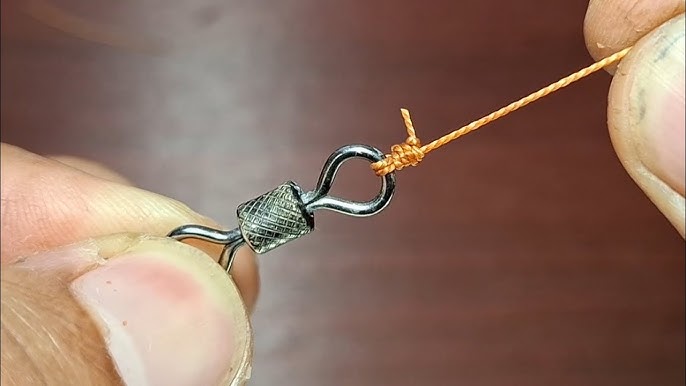
Are you tired of losing fish because your weight slips off your fishing line? Knowing how to tie a weight properly can make all the difference in your fishing success.
It’s a simple skill that can help your bait sink just right, stay steady in the water, and attract more fish. You’ll learn easy, step-by-step methods to tie weights that won’t come loose. Keep reading, and soon you’ll be fishing smarter, catching more, and enjoying every moment by the water.
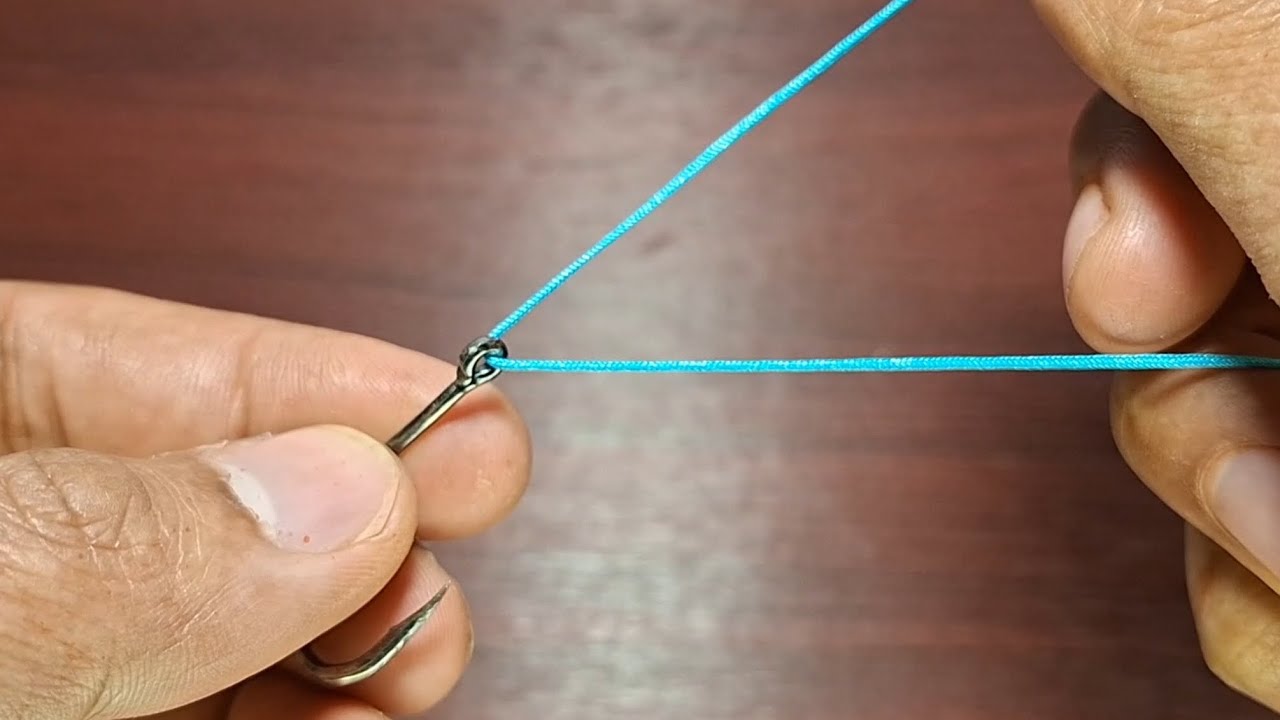
Credit: www.youtube.com
Choosing The Right Weight
Tying the correct weight on a fishing line helps your bait sink to the right depth. It also keeps your line steady in the water.
Choosing the right weight depends on the type of weight, water conditions, and your fishing line.
Types Of Fishing Weights
There are many types of fishing weights. Each works best for certain fishing styles and conditions.
- Split shot weights: small and easy to attach
- Egg sinkers: shaped like eggs, good for casting
- Bullet weights: slim and good for fishing in weeds
- Bank sinkers: heavy and flat, for strong currents
- Pyramid sinkers: hold well in sandy or rocky bottoms
Selecting Weight Based On Water Conditions
Water depth and current speed guide your weight choice. Heavy weights work in deep or fast water. Light weights suit shallow or calm water.
| Water Condition | Recommended Weight |
| Shallow, calm water | Light (1-5 grams) |
| Moderate depth, slow current | Medium (5-15 grams) |
| Deep water, strong current | Heavy (15+ grams) |
Matching Weight To Fishing Line
Choose a weight that fits your fishing line strength. Too heavy a weight can break the line. Too light may not cast well.
Use this simple guide to match weights with line strength:
- Light line (2-6 lb): small weights (1-5 grams)
- Medium line (6-12 lb): medium weights (5-15 grams)
- Heavy line (12+ lb): heavy weights (15+ grams)

Credit: www.youtube.com
Essential Tools And Materials
Tying a weight on a fishing line needs the right tools. Using proper materials helps your fishing setup work well.
This guide covers fishing line types, weights and sinkers, and knots with tying tools. Each part is important.
Fishing Line Types
Choose a fishing line that fits your fishing style. Lines come in different materials and strengths.
- Monofilament: Good for beginners, stretches well.
- Fluorocarbon: Less visible underwater, sinks faster.
- Braid: Very strong, thin, good for heavy fish.
Weights And Sinkers
Weights help your bait sink to the right depth. Sinkers come in many shapes and sizes.
| Weight Type | Use | Material |
| Split Shot | Small, easy to add or remove | Lead or steel |
| Egg Sinkers | Slide on line, good for bottom fishing | Lead |
| Bank Sinkers | Heavy, holds bait in strong currents | Lead |
| Bullet Weights | Used with soft plastic lures | Lead or tungsten |
Knots And Tying Tools
Strong knots keep your weight and bait secure. Use tools to make tying easier.
- Use pliers or a knot-tying tool to help hold the line.
- The Improved Clinch Knot is popular for tying weights.
- Practice tying knots to avoid slipping or breaking.
Preparing The Fishing Line
Preparing your fishing line is important before adding a weight. It helps ensure the line is strong and ready for fishing.
Two key tasks are measuring and cutting the line and checking it for any damage. These steps make your fishing experience better and safer.
Measuring And Cutting The Line
Measure the fishing line length you need carefully. Cut it cleanly to avoid frayed ends. A sharp pair of scissors or line cutters works best.
- Decide how long the line should be for your fishing setup.
- Use a ruler or tape measure for accuracy.
- Hold the line taut and cut with sharp scissors.
- Check the cut end to make sure it is neat and smooth.
Inspecting Line For Damage
Look over the line carefully before use. Any damage can cause the line to break when fishing. Check for weak spots, nicks, or frays.
| Type of Damage | How to Spot | What to Do |
| Frays | Look for tiny broken fibers | Cut and remove damaged section |
| Nicks | Feel for rough or thin spots | Cut out the nicked part |
| Discoloration | Check for faded or cloudy areas | Replace if damage is severe |
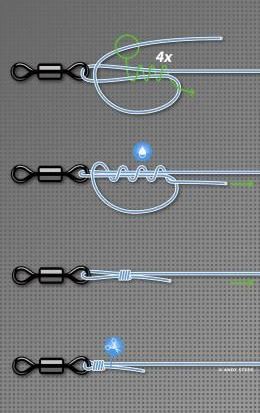
Credit: www.beadinggem.com
Step-by-step Tying Process
Tying a weight on a fishing line helps your bait sink properly. This guide shows you how to do it correctly.
Follow these simple steps to secure your weight and improve your fishing experience.
Attaching The Weight Loop
Start by threading the fishing line through the weight’s loop. Make sure the weight is facing down.
Pull enough line through to have room for tying the knot securely around the loop.
Tying The Improved Clinch Knot
Wrap the free end of the line around the main line five times. Then pass the tag end through the small loop near the weight.
Next, pull the tag end through the big loop you just made. Moisten the knot and tighten it firmly.
- Make five tight wraps around the main line
- Pass the tag end through the small loop
- Pull it through the larger loop
- Wet the knot before tightening
- Pull both ends to secure
Securing The Weight Properly
After tightening the knot, check if the weight sits firm on the line. It should not slide or move freely.
Trim the excess tag end of the line close to the knot. This prevents tangling and keeps the setup neat.
Tips For Perfect Casts
Tying a weight on a fishing line helps you cast farther and control the bait better. Using the right weight improves your chances to catch fish.
This guide shows how to balance weight and bait, adjust weight for fish types, and use casting techniques with weighted lines.
Balancing Weight And Bait
Balance the weight and bait so the bait moves naturally in the water. Too much weight can make the bait sink too fast.
Use lighter weights with light baits and heavier weights with bigger baits. This keeps the bait steady and attractive to fish.
- Match weight size to bait size
- Check bait movement after casting
- Adjust weight if bait sinks too quickly
Adjusting Weight For Different Fish Species
Different fish need different weights for best results. Small fish prefer light weights that let bait float naturally.
Use heavier weights for bigger fish or strong currents. This helps keep the bait in the strike zone longer.
- Light weights for small fish like panfish
- Medium weights for bass or trout
- Heavy weights for catfish or deep water fishing
Casting Techniques With Weighted Lines
Hold the rod firmly and swing smoothly for a long cast. The weight helps pull the line out farther.
Practice different angles and speeds. Casting with a steady motion helps place the bait where fish are likely to bite.
- Smooth backswing to avoid tangles
- Release line at the right moment
- Adjust angle for wind and water conditions
Common Mistakes To Avoid
Tying a weight on a fishing line looks easy but often goes wrong. Mistakes can cause lost fish and broken gear.
Learn what to avoid so your fishing line stays strong and your catch stays on the hook.
Using Incorrect Knot Types
Choosing the wrong knot weakens your fishing line. Some knots slip or break under pressure. Use knots made for holding weights.
- Do not use simple knots like the overhand knot for weights.
- Try the improved clinch knot or Palomar knot for better strength.
- Always wet the knot before tightening to avoid friction damage.
- Test your knot by pulling hard before casting.
Overloading The Line With Weight
Adding too much weight can break the line or scare fish away. Use only the weight needed for your fishing spot.
| Weight Amount | Line Strength Needed |
| 1/8 oz | 4-6 lb test |
| 1/4 oz | 6-8 lb test |
| 1/2 oz | 8-12 lb test |
| 1 oz | 12-16 lb test |
Ignoring Water Current Effects
Strong currents change how your weight works. A heavy weight may drag the line or get stuck.
- Check the water flow before choosing weight size.
- Use streamlined weights to reduce drag in fast water.
- Adjust weight size if the current pushes your bait too far.
- Re-tie knots if you notice slipping caused by water pressure.
Maintaining And Checking Your Setup
Keeping your fishing line and weights in good condition helps you catch more fish. Regular checks stop problems before they start.
Look over your setup often to make sure everything works well. This keeps your fishing safe and effective.
Regular Knot Inspection
Knots hold the weight and hook on your line. Check them each time before fishing. Look for loose or worn spots that could break.
Tighten any loose knots and retie if needed. A strong knot keeps your weight secure and helps catch fish.
- Pull gently on knots to test strength
- Look for frayed or thin line near knots
- Retie knots if you see damage or slipping
- Use simple knots like improved clinch or Palomar
Replacing Damaged Weights
Weights can get damaged from bumps or rust. Check your weights for cracks, bends, or corrosion before each trip.
Replace damaged weights quickly. Using bad weights can affect how your bait sinks and moves in water.
- Inspect weights for cracks or breaks
- Check for rust or corrosion
- Match new weights to your fishing needs
- Keep a variety of sizes ready
Storing Equipment Properly
Store your fishing gear carefully to keep it ready. Dry everything before storing to stop rust and mold.
Use tackle boxes or small containers to organize weights and lines. This saves time and prevents damage.
- Dry lines and weights before storage
- Keep gear in a cool, dry place
- Use tackle boxes with separate compartments
- Label containers for easy finding
Frequently Asked Questions
How Do I Tie A Weight On A Fishing Line?
To tie a weight, thread the line through the weight’s hole. Use a strong knot like the improved clinch knot to secure it. This ensures the weight stays in place and improves casting distance and bait stability.
What Is The Best Knot For Attaching Weights?
The improved clinch knot is ideal for attaching weights. It is strong, reliable, and easy to tie. This knot prevents slipping and holds the weight firmly, making your fishing setup more effective.
Can I Use Any Weight For Fishing Lines?
Weights vary by fishing type and line strength. Choose a weight heavy enough to sink bait but not too heavy to break the line. Match the weight size to your fishing environment and target species.
Why Is Tying Weights Important In Fishing?
Tying weights properly controls bait depth and stability. It improves casting distance and helps target specific fish habitats. Correct weight attachment increases fishing success and reduces line tangles.
Conclusion
Tying a weight on a fishing line is simple. Start with the right tools. Use the steps shared here. You’ll improve your fishing skills quickly. Practice makes perfect. Adjust the weight based on fish type. Remember, the right knot matters.
Secure the weight tightly. This ensures your line stays balanced. A well-tied line increases your chances of success. Happy fishing!