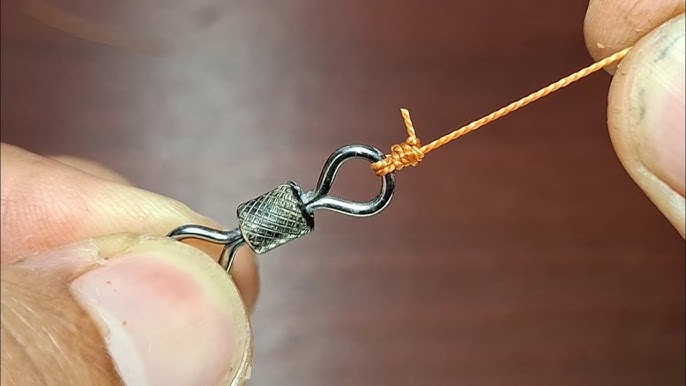
If you want to catch more fish, knowing how to tie a weight on your fishing line is a skill you need right now. Getting this right can make a huge difference in how your bait moves and where it lands.
Imagine casting your line confidently, knowing your weight is secure and your setup is perfect. You’ll learn simple, step-by-step ways to tie a weight that won’t slip or tangle. Keep reading, and you’ll soon fish smarter, not harder.
Choosing The Right Weight
Choosing the right weight for your fishing line is important. It helps you cast better and catch fish more easily.
The weight you use depends on the type of water and fish you want to catch. Picking the right one makes fishing more fun.
Types Of Fishing Weights
Fishing weights come in different shapes and sizes. Each type works best for certain fishing styles.
- Split Shot: Small and round, easy to attach and remove.
- Egg Sinkers: Oval-shaped, good for bottom fishing.
- Bullet Weights: Pointed shape, used for fishing in weeds.
- Bank Sinkers: Heavy and flat, good for strong currents.
- Sliding Sinkers: Move freely on the line, useful for bait movement.
Selecting Weight Based On Fishing Conditions
Water type and weather affect the weight you should use. Use heavier weights in strong currents or deep water.
Light weights work well in calm water or when fish are near the surface. Adjust weight size to match where and how you fish.
- Strong currents need heavy weights to hold the line steady.
- Calm lakes and ponds allow lighter weights for better bait movement.
- Deep water calls for heavier weights to reach the bottom quickly.
- Shallow water works best with light weights to avoid scaring fish.

Credit: www.youtube.com
Essential Tools And Materials
Tying a weight on a fishing line needs the right tools and materials. These help you fish safely and effectively.
Using the correct tools makes knot tying easier and stronger. It also protects your fishing line from damage.
Fishing Line Types
Fishing lines come in different materials and strengths. Choosing the right type is important for your fishing needs.
Common fishing line types include monofilament, fluorocarbon, and braided lines. Each has its own features.
- Monofilament:Stretchy and easy to handle. Good for beginners.
- Fluorocarbon:Hard to see underwater and more resistant to abrasion.
- Braided:Very strong and thin. Good for heavy fishing.
Recommended Knot-tying Tools
Using tools helps you tie knots tightly and neatly. It also saves time and effort.
Some common tools for knot tying include pliers, scissors, and knot-tying devices.
- Pliers:Help pull knots tight and hold small parts.
- Scissors:Cut fishing line cleanly without fraying.
- Knot-Tying Tools:Assist in making precise and strong knots.
Preparing The Line
Tying a weight on your fishing line starts with good preparation. Proper steps help your knots hold better and last longer.
Focus on measuring the line correctly and moistening it before tying knots. These small actions improve your fishing experience.
Measuring And Cutting The Line
Measure the fishing line carefully to fit your fishing setup. Cutting it to the right length avoids waste and tangles.
- Use a ruler or tape measure for accuracy
- Leave extra line for tying knots
- Cut the line with sharp scissors or clippers
- Make a clean, straight cut to avoid fraying
Moistening The Line For Better Knots
Wet the fishing line before you tie knots. Moistening reduces friction and helps the knot tighten smoothly.
| Moistening Method | Purpose |
| Use saliva | Quick and easy on the water |
| Dip in water | Keeps the line wet without dirt |
| Use a wet cloth | Controls moisture for delicate lines |
Step-by-step Knot Techniques
Tying a weight on a fishing line needs a strong knot. Use the right knot for a secure hold. This guide shows simple knot methods.
Follow these steps to tie three popular knots. Each knot works well for different fishing needs. Practice makes your knot tying better.
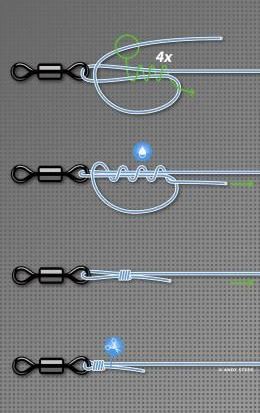
Improved Clinch Knot
The Improved Clinch Knot is good for tying weights and lures. It is strong and easy to tie. Use this knot for most fishing lines.
- Thread the line through the weight’s eye.
- Wrap the tag end around the standing line 5-7 times.
- Pass the tag end through the small loop near the eye.
- Then pass the tag end through the big loop you just made.
- Wet the knot and pull the tag end and standing line tight.
- Trim the extra tag end close to the knot.
Palomar Knot
The Palomar Knot is very strong and simple. It works well with braided or monofilament lines. This knot keeps the weight secure under pressure.
- Double about 6 inches of line and pass it through the weight’s eye.
- Tie a loose overhand knot with the doubled line.
- Pass the weight through the loop of the overhand knot.
- Wet the knot and pull both the tag end and standing line to tighten.
- Cut the tag end close to the knot.
Uni Knot
The Uni Knot is versatile and easy to adjust. It works for many fishing line types. You can use it to tie weights or connect hooks.
| Step | Action |
| 1 | Pass the line through the weight’s eye. |
| 2 | Double back and make a loop alongside the standing line. |
| 3 | Wrap the tag end around both lines 5 times. |
| 4 | Pull the tag end to tighten the coils. |
| 5 | Slide the knot down to the weight’s eye. |
| 6 | Pull the standing line to secure the knot. |
| 7 | Trim the tag end close to the knot. |
Tips For Stronger Knots
Tying a weight on your fishing line needs a strong knot. A good knot keeps your gear safe and helps catch fish. Use the right knot and tie it tightly.
Strong knots stop your weight from slipping off. Practice tying knots to get better and avoid losing your gear.
Avoiding Common Mistakes
Many people tie knots too loose or use the wrong knot type. Loose knots can come undone easily. Some knots do not hold well with certain line types.
Make sure to wet your line before tightening the knot. This reduces friction and stops the line from weakening. Pull the knot slowly and firmly to secure it.
- Do not skip wetting the line before tightening
- Avoid tying knots too close to the weight
- Use the right knot for your line type
- Pull the knot tight, but do not over-tighten
Testing Knot Strength
After tying your knot, test its strength before fishing. Pull the line hard to check if the knot slips or breaks. If it moves, retie it.
Test knots in different directions. Weights pull in many ways while fishing. Make sure your knot holds under pressure from all angles.
- Pull the line with steady force to test
- Check the knot after testing for tightness
- Retie any knot that slips or loosens
- Practice tying and testing knots often
Securing The Weight Properly
Tying a weight correctly on your fishing line helps improve casting and bait presentation. A secure weight stops unwanted movement and helps you fish better.
This guide covers two common ways to secure weights: sliding and fixed weights. It also explains how beads and stoppers can help.
Sliding Vs Fixed Weights
Sliding weights move freely along the line, giving fish less resistance when they bite. Fixed weights stay in one place and help keep the bait steady.
- Sliding weights need a small hole in the weight to let the line pass through.
- Fixed weights tie directly to the line with a knot or clip.
- Sliding weights often use a stopper knot or bead to limit movement.
- Fixed weights require strong knots to hold tight during casting and retrieval.
Using Beads And Stoppers
Beads and stoppers protect knots and control weight movement. They act as buffers between the weight and the knot.
| Item | Purpose | Material |
|---|---|---|
| Beads | Prevent weight from hitting the knot | Plastic or glass |
| Rubber Stoppers | Limit sliding weight movement | Soft rubber |
| Silicone Stoppers | Hold sliding weights in place | Flexible silicone |
Maintaining Your Tied Weights
Keeping your tied weights in good shape helps with better fishing. Proper care keeps your line strong and ready.
Regular maintenance lets you avoid losing fish or gear. Checking knots and weights saves time and money.
Regular Knot Inspection
Check your knots before and after every fishing trip. Look for frays, loosening, or damage in the line.
Tighten knots that feel loose. Replace the line if the knot weakens or slips easily.
- Look for worn or broken strands
- Test knot tightness by pulling firmly
- Retie knots that show signs of damage
- Use fresh line if knots fail repeatedly
Replacing Worn Weights
Weights wear down over time from water and rocks. Check your weights for cracks or heavy rust.
Swap out any damaged or bent weights. Using good weights helps keep your bait at the right depth.
- Inspect weights for chips or cracks
- Remove weights that no longer hold shape
- Choose weights suitable for your fishing style
- Secure new weights firmly to your line

Credit: mysterytacklebox.com
Credit: www.beadinggem.com
Frequently Asked Questions
How Do I Tie A Weight On A Fishing Line?
To tie a weight on a fishing line, use a clinch knot or improved clinch knot. Thread the line through the weight’s eyelet, wrap it around the standing line 5-7 times, then pass the tag end through the loop and tighten securely.
What Is The Best Knot For Attaching Fishing Weights?
The improved clinch knot is best for attaching fishing weights. It is strong, easy to tie, and holds well under pressure. This knot ensures the weight stays secure during casting and reeling, improving your fishing experience.
Can I Tie A Weight Without Damaging The Fishing Line?
Yes, you can tie a weight without damaging the line. Use proper knots like the clinch or Palomar knot. Avoid excessive tightening or sharp bends that may weaken the line, ensuring durability and strength during fishing.
Why Should I Use A Weight On My Fishing Line?
Using a weight helps your bait sink to the desired depth. It improves casting distance and stability in flowing water. Weights also keep your bait steady, increasing your chances of catching fish.
Conclusion
Mastering how to tie a weight on a fishing line is crucial. It helps improve your fishing success. Practice makes perfect, so keep trying different techniques. Remember, a secure knot ensures a stable fishing experience. Experiment with weights and knots to find your best fit.
This skill enhances your overall fishing adventure. Enjoy the process and the satisfaction it brings. Happy fishing!