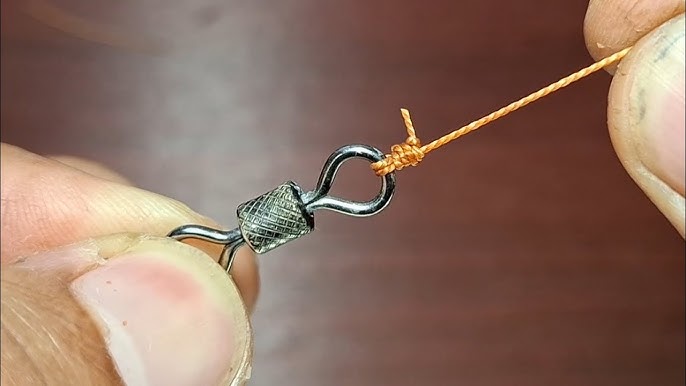
If you love fishing, you know that tying a weight to your fishing line is a simple skill that can make a big difference. But getting it wrong can lead to lost gear or a missed catch.
Imagine spending hours by the water, only to have your bait float away or your line tangle. You don’t want that. Learning the right way to tie a weight not only keeps your setup secure but also helps you fish smarter and catch more.
In this guide, you’ll discover easy, step-by-step methods to tie weights quickly and effectively—so you can focus on what really matters: catching fish. Keep reading, and you’ll be ready for your next fishing trip with confidence.
Credit: www.beadinggem.com
Choosing The Right Weight
Choosing the right weight for your fishing line is important. The weight helps your bait sink properly and stay in place.
Different fishing conditions need different weights. Picking the right one improves your chance to catch fish.
Types Of Fishing Weights
There are several types of fishing weights. Each type works best in certain situations.
- Split Shot: Small and easy to attach to the line.
- Egg Sinkers: Oval shaped and slide on the line.
- Bullet Weights: Pointed and good for fishing in weeds.
- Bank Sinkers: Heavy and shaped like a teardrop, good for strong currents.
- Drop Shot Weights: Used with a special rig to keep bait off the bottom.
Matching Weight To Fishing Conditions
Match your weight to water depth, current, and bait type. The right weight helps your bait reach the right spot.
| Condition | Recommended Weight | Reason |
| Calm water | Light (1-5 grams) | Allows natural bait movement |
| Strong current | Heavy (10-20 grams) | Keeps bait from drifting |
| Deep water | Medium to heavy | Helps bait sink quickly |
| Weedy areas | Bullet or weedless weights | Prevents snagging |

Credit: www.youtube.com
Selecting The Fishing Line
Choosing the right fishing line is key for tying a weight securely. The line must hold the weight without breaking. It also needs to match your fishing style and the fish you want to catch.
Different lines have different strengths and materials. Knowing these will help you pick the best one for your fishing needs.
Line Strength And Thickness
Line strength is how much weight the line can hold before it breaks. Thickness affects the line’s visibility and how well it moves in water. Stronger lines usually are thicker but harder to hide from fish.
- Thicker lines hold heavier weights.
- Thinner lines are less visible in water.
- Choose strength based on the size of fish you want.
- Use thicker lines for rough conditions or big fish.
Material Considerations
| Material | Strength | Flexibility | Visibility |
| Nylon (Monofilament) | Medium | High | Moderate |
| Fluorocarbon | High | Medium | Low |
| Braided | Very High | Low | High |
Nylon lines stretch well and are easy to handle. Fluorocarbon lines are tough and nearly invisible. Braided lines have high strength but show more in water.
Preparing The Line
Tying a weight to a fishing line starts with preparing the line properly. This helps your fishing setup work well and last longer.
Focus on cutting the line to the right length and checking it for any damage before adding the weight.
Cutting The Line
Cut the fishing line cleanly to avoid frays and weak spots. Use sharp scissors or line cutters for a smooth cut.
- Measure the length you need for your fishing setup.
- Hold the line firmly to avoid slipping.
- Cut the line with sharp scissors or clippers.
- Check the cut end for any loose fibers.
Checking For Damage
Inspect the fishing line carefully. Damage can cause the line to break easily when fishing.
| Type of Damage | What to Look For | Action |
|---|---|---|
| Abrasion | Rough or worn spots on the line | Cut out damaged section |
| Kinks | Twists or sharp bends | Replace or smooth out |
| Discoloration | Faded or cloudy areas | Test strength or replace |
| Cuts | Small nicks or tears | Remove damaged part |
Popular Knot Techniques
Tying a weight to a fishing line is important for fishing success. Using the right knot keeps your weight secure.
Here are popular knots that work well for attaching weights. These knots are strong and easy to tie.
Improved Clinch Knot
The Improved Clinch Knot is common for tying weights and hooks. It holds well and is simple to make.
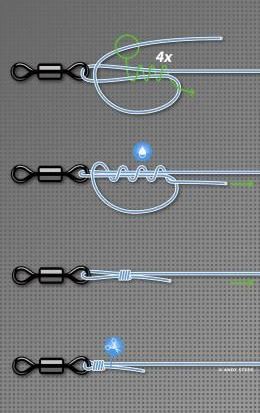
Start by threading the line through the weight’s eye. Wrap the line around itself five times. Pass the end through the small loop near the eye. Then pass the end through the big loop you just made. Pull tight and trim the excess line.
- Thread line through weight eye
- Wrap line 5 times around itself
- Pass end through small loop
- Pass end through big loop
- Pull tight and trim excess
Palomar Knot
The Palomar Knot is strong and good for heavy weights. It keeps the line strong without slipping.
Double about six inches of line and pass the loop through the weight’s eye. Tie a simple overhand knot with the doubled line. Pass the weight through the loop. Pull both ends to tighten the knot. Cut the extra line.
- Double 6 inches of line
- Pass loop through weight eye
- Tie overhand knot with doubled line
- Pass weight through loop
- Pull ends tight and trim
Uni Knot
The Uni Knot works well for all fishing lines. It ties a strong, neat knot for weights.
Pass the line through the weight eye and double back. Make a loop by laying the tag end along the doubled line. Wrap the tag end around the doubled line five times. Pull the tag end to tighten the wraps. Slide the knot to the weight and pull all ends tight. Trim the tag end.
- Pass line through weight eye
- Double back and form a loop
- Wrap tag end 5 times around doubled line
- Pull tag end to tighten wraps
- Slide knot to weight and pull tight
- Trim tag end
Step-by-step Tying Process
Tying a weight to your fishing line is an important skill for fishing. A secure knot keeps your weight in place and helps you catch fish better.
This guide shows you how to attach the weight, secure the knot, and test the connection with easy steps.
Attaching The Weight
Start by threading the fishing line through the hole in the weight. Slide the weight close to the end of the line. Make sure it moves freely before tying the knot.
Securing The Knot
- Hold the line and make a loop around it with the tag end.
- Wrap the tag end around the main line and through the loop 5 to 7 times.
- Pull the tag end slowly to tighten the coils.
- Slide the knot close to the weight.
- Pull both ends to secure the knot firmly.
Testing The Connection
| Test Method | What to Check | Action if Loose |
|---|---|---|
| Pull Test | Line and knot tightness | Retie the knot |
| Weight Movement | Weight stays in place | Adjust knot position |
| Visual Check | No frays or damage | Replace line if needed |

Credit: www.youtube.com
Tips For Better Weight Attachment
Tying a weight to your fishing line helps cast farther and control bait depth. A secure attachment stops the weight from sliding or breaking the line.
Follow these tips to keep your weight tied well. This improves your fishing experience and protects your gear.
Avoiding Slippage
Slippage happens when the knot loosens and the weight moves on the line. Use knots known for holding tight and wrapping the line firmly.
Make sure the line is clean and wet before tying. This helps the knot tighten smoothly and hold better.
- Use knots like the Palomar or improved clinch knot
- Wet the line before tightening the knot
- Tighten knots slowly and evenly
- Check the knot after tying to ensure it is firm
Maintaining Line Strength
Tying the weight incorrectly can weaken the fishing line and cause breaks. Avoid sharp bends and too many twists in the line.
Use knots that protect the line’s strength and do not pinch or cut it. Trim excess tag ends close to the knot to prevent catching on debris.
- Choose knots that keep line strength, like the Palomar knot
- Do not over-tighten the knot to avoid line damage
- Trim tag ends close to the knot
- Replace the line if it shows wear or damage
Troubleshooting Common Issues
Tying a weight to a fishing line can sometimes cause problems. These problems affect your fishing experience.
This guide helps you fix common issues with knots and weights on your line.
Knot Slipping
Knot slipping happens when the knot is not tight enough. The line can slide through the knot and cause the weight to fall off.
- Make sure to wet the line before tightening the knot.
- Pull the knot slowly and firmly to secure it.
- Use knots known for holding well, like the Palomar or Improved Clinch knot.
- Double-check the knot after tying to see if it holds.
Line Twisting
Line twisting makes fishing harder and can weaken the line. It happens when the weight or lure spins too much.
| Cause | Fix |
| Weight spins freely | Use a swivel between the line and weight |
| Line wraps around itself | Check for twists and untangle before casting |
| Improper knot tying | Retie knot making sure it is tight and neat |
Weight Falling Off
Weight falling off means the connection is loose or the wrong knot is used.
Tips to keep the weight from falling off:
- Use the right knot for the type of weight.
- Secure the knot tightly and trim excess line.
- Check for damage on the line or weight holes.
- Try knots like the Snell knot for better hold.
Safety And Maintenance
Tying a weight to a fishing line needs care for safety. Proper steps keep you safe and your gear working well.
Good maintenance helps your fishing line last longer and catch fish better. Always check your knots and weights.
Handling Weights Safely
Fishing weights are heavy and can hurt if dropped. Always hold them firmly and avoid swinging them near people.
Wear gloves when tying weights to protect your hands. Keep weights away from children and pets.
- Hold weights with a secure grip
- Wear gloves to protect your skin
- Keep weights out of reach of kids
- Do not throw or swing weights
Storing Tied Lines Properly
Store your fishing line with weights tied to avoid tangles and damage. Use a spool or line holder to keep it neat.
Check your knots before storage. Replace damaged lines or weights to stay safe and ready for fishing.
- Use a spool or line holder to store lines
- Keep lines dry and away from sunlight
- Check knots before storing
- Replace damaged weights or lines
Frequently Asked Questions
How Do You Securely Tie A Weight To A Fishing Line?
To securely tie a weight, use the clinch knot. Pass the line through the weight’s eye, wrap it around itself five times, and thread the end through the loop near the eye. Pull tight to secure. This method prevents the weight from slipping during casting or retrieving.
What Type Of Knot Is Best For Weights?
The best knot for weights is the clinch knot. It’s reliable and easy to tie. This knot ensures the weight stays attached during fishing. It’s ideal for most fishing situations, offering strength and security. Practice makes perfect, so try it a few times to master it.
Can A Weight Affect My Fishing Line’s Strength?
Yes, a weight can affect your line’s strength. Ensure your line’s breaking strength is appropriate for the weight. Too heavy a weight can weaken or break the line. Always choose a line strong enough for the weight you’re using to avoid losing fish or tackle.
Why Do I Need A Weight On My Fishing Line?
Weights help sink the bait to the desired depth. They stabilize the line in currents and improve casting distance. Weights are essential for targeting specific fish species. Without them, your bait might float, reducing your chances of a successful catch.
Conclusion
Tying a weight to your fishing line is simple with practice. Use the right knot to keep it secure. Check your line for any weak spots before casting. This helps your weight stay in place and catch fish better. Remember, patience and care improve your fishing experience.
Try different weights and knots to find what works best. Fishing becomes more fun and effective this way. Keep practicing, and you will get better every time.