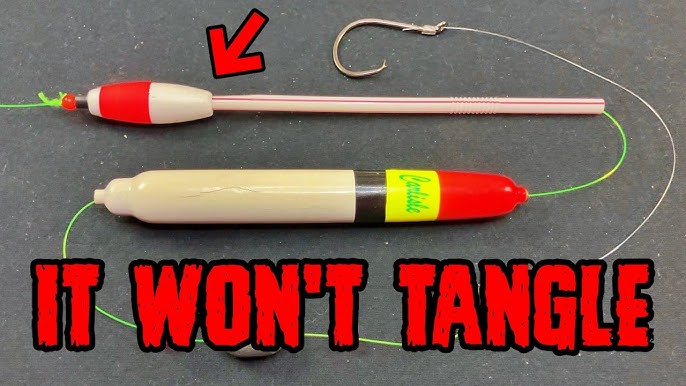
Are you tired of your bobber slipping or not sitting right on your fishing line? Knowing how to tie a bobber correctly can make a huge difference in your fishing success.
It’s a simple skill that helps you control your bait better and catch more fish. You’ll learn an easy, step-by-step way to tie your bobber so it stays secure and works perfectly every time. Keep reading, and you’ll be ready to improve your fishing game in just a few minutes!
Choosing The Right Bobber
Picking the right bobber helps you catch fish easier. The bobber holds the bait at the right depth.
Different bobbers work better for different fishing spots and fish types. Knowing which to use improves your success.
Types Of Bobbers
Bobbers come in many shapes and sizes. Each type suits different fishing styles and conditions.
- Round Bobbers:Classic and easy to use. Good for beginners and calm water.
- Slip Bobbers:Slide on the line. Best for fishing at different depths.
- Stick Bobbers:Long and thin. Sensitive to fish bites in moving water.
- Bubble Bobbers:Transparent and adjustable. Good for light bites and clear water.
Selecting Based On Fish And Water Conditions
Choose bobbers that fit the fish you want and the water you fish in. Size and color matter.
| Fish Type | Recommended Bobber | Water Type | Reason |
| Trout | Slip Bobber | Clear Streams | Adjusts depth easily for moving water |
| Bluegill | Round Bobber | Still Ponds | Simple and visible in calm water |
| Catfish | Stick Bobber | Muddy Rivers | More sensitive to bites in rough water |
| Crappie | Bubble Bobber | Clear Lakes | Light and transparent, less spooks fish |
Preparing Your Fishing Line
Preparing your fishing line is important before tying a bobber. It helps ensure a strong hold and good fishing experience.
Start by choosing the right type of line and then cut and check it carefully for any damage.
Selecting The Line Type
Selecting the right fishing line depends on the type of fishing you plan to do. Different lines have different strengths and flexibility.
- Monofilament lines are easy to handle and stretch slightly.
- Fluorocarbon lines are less visible underwater and more resistant to abrasion.
- Braid lines are strong and thin but less stretchable.
- Consider the fish size and water conditions when choosing your line.
Cutting And Inspecting The Line
Cut the fishing line using sharp scissors or line cutters. Make sure the cut is clean and straight.
| Check Item | What to Look For |
|---|---|
| Line Thickness | Consistent diameter without thin spots |
| Line Color | No fading or discoloration |
| Surface | Free from nicks, cuts, or abrasions |
| Flexibility | Does not feel brittle or stiff |
Basic Knot For Bobber Attachment
Tying a bobber to your fishing line is simple. It helps keep your bait at the right depth.
Using the right knot is key. This guide shows you how to attach a bobber securely.
Step-by-step Knot Tying
Follow these steps to tie your bobber with ease. A good knot ensures it stays in place.
- First, thread the fishing line through the bobber’s loop.
- Next, make a small loop in the line just above the bobber.
- Then, pass the end of the line through this loop.
- Pull tightly to secure the knot.
Tips For Secure Knot
Ensuring your knot is secure is important. A strong knot keeps your bobber from slipping.
- Wet the line before tightening the knot.
- Check the knot by pulling firmly on the line.
- Trim any excess line close to the knot.
With these tips, your bobber will stay secure. Happy fishing!

Credit: mysterytacklebox.com
Adjusting Bobber Position
Adjusting the bobber position is key to catching fish at the right depth. Setting it correctly helps your bait reach the target fish zone.
Proper adjustment also prevents your bait from hanging too high or sinking too low. Let’s explore how to set the depth and choose the right bobber type.
Setting Depth For Target Fish
To set the depth, slide the bobber up or down the fishing line. This controls how deep your bait will go. Adjust the bobber to match the depth where fish usually swim.
- Pinch the bobber to hold it on the line.
- Slide the bobber to the desired depth.
- Secure it tightly to prevent movement.
- Test by lowering the bait to check depth.
- Adjust as needed based on fish activity.
Sliding Vs Fixed Bobbers
Sliding bobbers move up and down the line. Fixed bobbers stay locked in one spot. Choosing the right type depends on your fishing needs.
| Bobber Type | Best Use | Adjustment |
|---|---|---|
| Sliding Bobber | Deep water or varying depths | Slides freely to set depth |
| Fixed Bobber | Shallow water or constant depth | Clips at one fixed point |
Testing Your Setup
After tying the bobber on your fishing line, it is important to test your setup. This ensures the bobber works well and catches fish properly.
Testing helps you find any problems and fix them before you start fishing. Let’s check the bobber’s stability and movement.
Checking Bobber Stability
Hold the fishing line and watch the bobber. It should stay in place without sliding up or down too easily.
If the bobber moves too much, retie it tighter or use a small stopper knot. The bobber needs to stay steady at the right depth.
- Hold the line firmly and check bobber position
- Make sure the bobber does not slide freely
- Tighten the knot if the bobber slips
- Use a stopper knot if needed
Ensuring Proper Movement
Once the bobber is stable, test its movement in water. The bobber should float and move naturally with water currents.
Gently pull the line to see if the bobber reacts smoothly. It should dip or move when fish bite, showing clear signals.
- Place the bobber in water to observe
- Check for smooth floating and natural movement
- Pull the line lightly to test response
- Adjust the knot if movement feels stiff or loose

Credit: www.youtube.com
Common Mistakes To Avoid
Tying a bobber on your fishing line seems easy but can be tricky. Many anglers make simple mistakes that affect their catch.
Learn which errors to avoid to keep your bobber secure and in the right place.
Loose Knots
Loose knots cause the bobber to slip or fall off. This happens when the knot is not tight enough or tied incorrectly.
- Make sure to wet the line before tightening the knot.
- Pull the knot tight but avoid breaking the line.
- Check the knot by pulling hard to test its strength.
- Use simple knots like the improved clinch knot for better hold.
- Trim excess line close to the knot to prevent snagging.
Incorrect Bobber Placement
Placing the bobber too close or too far from the hook can reduce fishing success. It affects bait movement and fish attraction.
| Placement | Effect |
| Too Close | Bait stays near surface, looks unnatural |
| Too Far | Bait sinks too deep, may miss target fish |
| Correct | Bait floats at the right depth, attracting fish |
Advanced Tips For Bobber Fishing
Tying a bobber on your fishing line can improve your chances of catching fish. Using the right techniques helps you control depth and bait movement.
These advanced tips will help you fish better with bobbers. Learn how to use multiple bobbers and adjust for different water conditions.
Using Multiple Bobbers
Using more than one bobber can help you fish at different depths at the same time. This is useful when fish swim at various levels.
Set the first bobber close to the hook and the second one further up the line. This keeps your bait steady and visible.
- Attach the first bobber about 12 inches above the hook.
- Place the second bobber 18 to 24 inches above the first.
- This setup helps find where the fish are biting.
Customizing For Different Conditions
Adjust your bobber size and placement based on water type and weather. Different conditions need different setups for best results.
Use small bobbers in calm water to detect light bites. Use larger bobbers in rough water to keep the bait stable.
- Clear water: Use small, light bobbers.
- Choppy water: Use bigger, heavier bobbers.
- Windy days: Place bobbers closer to the hook.
- Still water: Space bobbers farther apart.

Credit: www.youtube.com
Frequently Asked Questions
How Do You Tie A Bobber On Fishing Line?
To tie a bobber, thread the line through the bobber’s hole or attach the clip. Secure with a knot to prevent slipping. This setup keeps the bobber in place while fishing.
What Knot Is Best For Attaching A Bobber?
The improved clinch knot is ideal for attaching a bobber. It’s strong, simple, and holds the bobber firmly on the line, ensuring reliable performance during fishing.
Can I Adjust A Bobber After Tying It On?
Yes, you can slide most bobbers up or down the line after tying. This adjustment controls the fishing depth to target different fish species effectively.
Why Is Tying A Bobber Correctly Important?
Tying a bobber correctly prevents it from slipping and ensures accurate depth control. This improves bait presentation and increases your chances of catching fish.
Conclusion
Tying a bobber on your fishing line is simple and quick. Practice the steps to get better each time. A well-tied bobber helps catch more fish. Remember to check the knot for tightness before fishing. Enjoy your time by the water with confidence.
Keep trying, and you will improve your fishing skills. Fishing can be relaxing and fun for everyone. Now you know how to tie a bobber correctly. Ready for your next fishing trip!