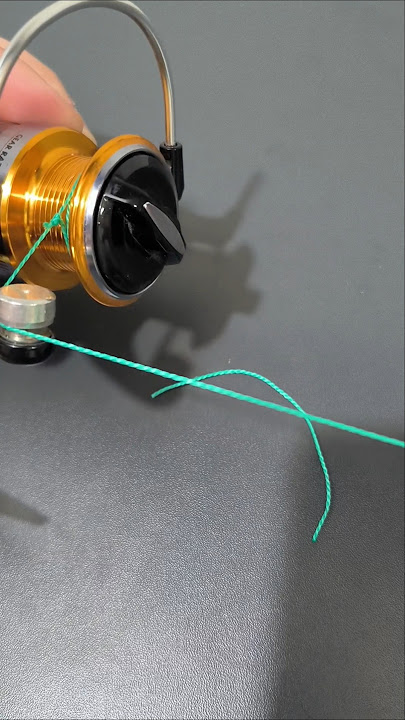
Are you struggling to tie braided fishing line to your spinning reel without it slipping or getting tangled? You’re not alone.
Getting this right can make a huge difference in your fishing experience. Whether you’re a beginner or have some experience, mastering this simple skill will save you time and frustration on the water. In this guide, you’ll learn easy, step-by-step methods that anyone can follow.
Keep reading to make sure your line stays secure and your fishing game stays strong.
Choosing The Right Braided Line
Using braided fishing line can improve your fishing experience. Picking the right line helps you catch more fish and avoid problems.
There are many types of braided lines. You need to know their strength, size, and benefits before buying.
Types Of Braided Lines
Braided lines come in different materials and weaves. Each type fits different fishing needs.
- Dyneema: Very strong and thin, popular for many anglers
- Spectra: Durable and resistant to abrasion
- Polyethylene: Lightweight with good strength
- Four-strand braid: Smooth and flexible
- Eight-strand braid: Rounder and stronger, less visible underwater
Line Strength And Diameter
Strength shows how much weight the line can hold. Diameter is the thickness of the line.
Choose a line with strength that matches the fish you want. Thinner lines cast better and hold more line on the reel.
| Strength (lbs) | Diameter (inches) | Best Use |
|---|---|---|
| 10-20 | 0.10 – 0.15 | Light freshwater fishing |
| 20-40 | 0.15 – 0.20 | Medium freshwater and light saltwater |
| 40-80 | 0.20 – 0.30 | Heavy freshwater and saltwater fishing |
Advantages Of Braided Line
Braided line has several benefits that make it popular among anglers. It offers strength and sensitivity.
- High strength with thin diameter
- Almost no stretch, so you feel bites better
- Very durable and abrasion-resistant
- Long casting distance
- Does not absorb water, stays strong when wet
Preparing Your Spinning Reel
Tying braided fishing line to a spinning reel starts with good preparation. Proper setup helps avoid tangles and line damage.
Follow these steps to clean, check, and adjust your reel before you attach the line.
Cleaning The Reel
Remove dirt and salt to keep your reel working smoothly. Use a soft cloth and fresh water to wipe it down. Avoid harsh chemicals that can damage parts.
- Rinse the reel with fresh water after each use
- Dry it with a clean cloth to stop rust
- Apply light reel oil to moving parts
- Check for sand or debris inside the spool area
Checking The Spool
Inspect the spool for damage or wear. A smooth spool helps the line flow freely and prevents knots.
| Spool Part | What to Check |
| Edge | Look for nicks or rough spots |
| Surface | Ensure it is clean and smooth |
| Attachment | Make sure it is secure and tight |
Setting The Drag
The drag controls how much line comes off under pressure. Set it right to avoid line breakage or losing fish.
- Turn the drag knob clockwise to tighten
- Turn it counterclockwise to loosen
- Adjust until you feel steady resistance
- Test by pulling line by hand to check tension
Essential Tools And Materials
Tying braided fishing line to a spinning reel needs the right tools. Choosing good materials helps make a strong knot.
Below are the basic items you need to get started with your fishing setup.
Line Clippers And Scissors
Sharp line clippers or scissors help cut the braided line cleanly. A clean cut prevents fraying and makes tying easier.
- Use clippers made for fishing line
- Keep scissors sharp for smooth cuts
- Choose corrosion-resistant tools for durability
Monofilament Backing
Monofilament backing adds a smooth layer between the spool and braided line. It helps the braid grip the spool better.
| Backing Type | Purpose |
| Monofilament | Prevents braid slipping |
| Cotton | Adds cushioning |
| Foam | Reduces line noise |
Lubricants And Thread Conditioner
Lubricants or thread conditioners make knots tighter and prevent line damage. They help the braid slide smoothly when tying.
Common lubricants include:
- Water-based knot lubricants
- Beeswax-based thread conditioners
- Silicone sprays designed for fishing lines
Step-by-step Tying Process
Tying braided fishing line to a spinning reel needs care and patience. Using the right knot and method ensures your line stays secure during fishing.
This guide breaks down each step to help you tie your braided line correctly to your spinning reel.
Attaching Monofilament Backing
Start by attaching monofilament backing to your spinning reel spool. This backing helps protect your braided line from slipping.
- Open the bail arm of the reel.
- Wrap the monofilament line around the spool tightly.
- Tie a secure knot like the arbor knot to hold the backing.
- Trim any extra monofilament line close to the knot.
- Close the bail arm and check the line tension.
Tying The Braided Line To Backing
After attaching the backing, you need to tie the braided line to it. Use a strong knot to avoid slipping during casts.
- Overlap the braided line with the monofilament backing by 6-8 inches.
- Make a double uni knot by wrapping one line around the other.
- Tighten each side of the knot carefully.
- Pull both lines to secure the knot firmly.
Securing The Knot
Properly securing the knot prevents line slippage and breakage. Wet the knot before tightening to reduce friction.
| Action | Reason |
|---|---|
| Wet the knot | Reduces heat and friction |
| Tighten slowly | Prevents damage to the line |
| Check knot security | Ensures line will not slip |
Trimming Excess Line
Finish by trimming the excess braided and monofilament line close to the knot. Leave about 1/8 inch to avoid knot failure.
- Use sharp scissors or line clippers.
- Cut carefully to avoid cutting the knot.
- Keep trimmed ends tidy to prevent snags.
Best Knots For Braided Line
Tying braided fishing line to a spinning reel needs strong, reliable knots. Braided lines are thin and slippery. Some knots hold better than others.
Using the right knot keeps your line secure and helps avoid breaks. Here are three of the best knots for braided fishing lines.
Uni Knot
The Uni Knot is strong and easy to tie. It works well with braided lines because it grips the line tightly. This knot is good for beginners and experts.
It also allows you to adjust the loop size before tightening. This makes it flexible for different fishing setups.
- Pass the line through the reel eye
- Double back and form a loop
- Wrap the tag end around the doubled line 5-6 times
- Pull the tag end to tighten the coils
- Slide the knot to the reel and pull the main line tight
Palomar Knot
The Palomar Knot is very strong and simple. It keeps braided line from slipping because of its double line structure. This knot works well for light to medium lines.
This knot also keeps the line’s strength by avoiding sharp bends. It is quick to tie and reliable on spinning reels.
- Double 6 inches of line and pass through the reel eye
- Tie a loose overhand knot with the doubled line
- Pass the loop over the reel and hook
- Pull both ends to tighten the knot
- Trim the tag end close to the knot
Improved Clinch Knot
The Improved Clinch Knot is a classic choice. It works well with braided lines if tied carefully. This knot is good for attaching line to the reel spool or hooks.
It holds well but may slip if the knot is not snug. Wet the line before tightening to protect line strength.
- Pass the line through the reel eye
- Wrap the tag end around the main line 5-7 times
- Pass the tag end through the small loop near the eye
- Then pass it through the big loop created
- Pull to tighten and trim the tag end

Credit: www.youtube.com
Tips For Line Maintenance
Taking good care of your braided fishing line helps it last longer. Proper maintenance keeps your line strong and reliable.
These tips help you check the line and store the reel right. Following them protects your gear and improves fishing.
Checking For Wear And Tear
Look at the braided line often to find any damage. Small cuts or frays can cause the line to break while fishing.
- Run your fingers along the line to feel for rough spots.
- Check the area near the reel and the lure for wear.
- Replace the line if you see cracks or deep abrasions.
- Keep an eye on knots for slipping or loosening.
Avoiding Line Twists
Line twists weaken the braided line and cause tangles. Use these tips to stop twists and keep the line smooth.
- Spool the line onto the reel under light tension.
- Use a swivel between the main line and the lure.
- Let the lure sink straight down to avoid spinning it.
- Check your reel’s drag to avoid sudden line twists.
Storing The Reel Properly
Store your spinning reel in a dry, cool place. This stops the line and reel parts from getting damaged.
| Storage Tip | Reason |
| Keep reel covered or in a case | Protects from dust and sunlight |
| Loosen the drag before storing | Prevents pressure on the line and reel |
| Store away from heat and moisture | Avoids line weakening and reel rust |
| Remove the line if storing long-term | Stops line from deforming or aging |
Common Mistakes To Avoid
Tying braided fishing line to a spinning reel needs care. Mistakes can cause fishing problems. Avoid these common errors for better results.
Learn what to watch out for so your line stays secure and your reel works well. Fix these simple issues to fish with confidence.
Overfilling The Spool
Putting too much braided line on the spool can cause tangles. The line may slip or create knots when casting. Keep the spool filled just right.
- Fill the spool 1/8 inch below the edge
- Check spool size limits before adding line
- Leave enough space to avoid line rubbing on the reel lip
Skipping Backing Line
Many anglers skip adding backing line before the braided line. Backing protects the spool and adds length. Without it, the braid can slip on the spool.
| With Backing | Without Backing |
|---|---|
| Line stays tight and secure | Line may slip during casts |
| Protects spool from damage | Spool can wear out faster |
| Provides extra line length | Less line available for fishing |
Incorrect Knot Tying
Tying the wrong knot or tying it incorrectly causes line failure. The knot is the weakest point on the line. Learn the right knots and tie them carefully.
- Use knots like the Palomar or improved clinch knot
- Moisten the knot before tightening
- Pull the knot tight slowly and evenly
- Trim tag ends close to the knot

Credit: www.reddit.com

Credit: www.reddit.com
Frequently Asked Questions
How Do You Attach Braided Line To A Spinning Reel?
To attach braided line, start by threading it through the reel’s line guide. Tie a strong knot like the Palomar knot. Pull tight and trim excess line for a secure connection. This prevents slippage and ensures smooth casting.
What Is The Best Knot For Braided Line On Spinning Reels?
The Palomar knot is the best for braided line. It is strong, simple, and reliable. It maintains the line’s strength and resists slipping. This knot is ideal for securing braided line to spinning reels.
How Much Braided Line Should I Spool On A Spinning Reel?
Fill the reel spool to about 1/8 inch below the rim. This prevents line overflows during casting. Avoid overfilling to reduce tangles and maintain casting distance. Proper spooling ensures optimal reel performance.
Can I Use Braided Line Directly On A Spinning Reel Spool?
Yes, but apply a backing of monofilament first. Braided line is slippery and can slip on the spool. Monofilament backing helps grip the braided line. This prevents line slipping and improves casting control.
Conclusion
Tying braided fishing line to a spinning reel is easy with practice. Use the right knot and keep the line tight. Check your work to avoid slipping or tangling. A strong connection helps you catch more fish. Try these steps next time you go fishing.
Enjoy your time on the water with confidence and ease.