If you’re serious about fishing, you know that connecting your braided fishing line to a swivel the right way can make all the difference. A strong, reliable knot keeps your line secure, prevents twists, and helps you land more fish.
But if you’ve ever struggled with tangled lines or weak knots, you’re not alone. In this guide, you’ll discover simple, step-by-step instructions to tie your braided line to a swivel quickly and confidently. Keep reading, and you’ll learn the tricks that pros use to keep their gear rock solid every time you cast.

Credit: www.youtube.com
Choosing The Right Swivel
Picking the right swivel helps you tie braided fishing line securely. It also reduces line twist and improves casting. Swivels come in many types, materials, and sizes to fit your fishing needs.
Understanding these options will make your fishing experience better. It ensures your braided line stays strong and tangle-free at the swivel connection.
Types Of Swivels
Swivels come in different styles. Each style suits certain fishing situations. Knowing their features helps you choose the best one.
- Barrel Swivel:Simple and strong. Good for general use and prevents line twist.
- Ball Bearing Swivel:Contains bearings for smooth rotation. Ideal for heavy lures and strong currents.
- Snap Swivel:Has a snap clip for quick lure changes. Convenient but slightly weaker than others.
- Three-Way Swivel:Used for multiple line setups. Useful in certain fishing rigs.
Materials And Sizes
Swivels are made from different metals. Sizes vary to match your fishing line strength and target fish size.
| Material | Benefits | Common Uses |
|---|---|---|
| Brass | Lightweight and corrosion-resistant | Freshwater fishing |
| Stainless Steel | Strong and rust-proof | Saltwater fishing |
| Nickel-Plated | Durable with smooth finish | General-purpose fishing |
| Black Oxide | Low visibility in water | Clear water or spooky fish |
Preparing The Braided Line
Tying braided fishing line to a swivel starts with good preparation. The line must be ready to make a strong, reliable knot.
Two key steps help prepare the braided line: cutting it cleanly and moistening it before tying. These steps reduce line damage and improve knot strength.
Cutting The Line Cleanly
Cutting the braided line cleanly prevents fraying and weak knots. Use sharp scissors or a line cutter designed for braided lines.
- Choose a sharp, precise cutting tool
- Cut the line at a right angle for a straight edge
- Avoid pulling the line while cutting
- Inspect the cut end for any frayed strands
- Trim again if the end is damaged
Moistening The Line
Moistening the line before tying reduces friction and heat. This keeps the knot tight and prevents line damage during tightening.
To moisten the line:
| Method | Details |
|---|---|
| Water | Dip the line tip briefly in clean water |
| Saliva | Lightly lick the line end for moisture |
| Fishing Line Conditioner | Apply a small amount if available |
Step-by-step Knot Techniques
Tying braided fishing line to a swivel is important for strong fishing connections. Using the right knot keeps the line secure and reduces slippage.
Below are easy step-by-step guides for three strong knots you can use with braided line and swivels.
Palomar Knot
The Palomar knot is simple and strong. It works well with braided lines and swivels.
- Double about 6 inches of line and pass it through the swivel eye.
- Tie a loose overhand knot with the doubled line.
- Pass the swivel through the loop of the overhand knot.
- Pull both ends of the line slowly to tighten the knot.
- Trim the tag end close to the knot.
Uni Knot
The Uni knot is flexible and easy to tie. It holds well on braided line and swivels.
- Pass the line through the swivel eye and double back.
- Make a loop by laying the tag end along the doubled line.
- Wrap the tag end around the doubled line and through the loop 5 times.
- Moisten the knot and pull the tag end to tighten.
- Slide the knot to the swivel eye and pull the main line to secure.
- Cut the tag end close to the knot.
Improved Clinch Knot
The Improved Clinch knot is popular and reliable. It works with braided lines and swivels but needs care to avoid slipping.
- Pass the line through the swivel eye.
- Wrap the tag end around the main line 5 to 7 times.
- Pass the tag end through the small loop near the swivel eye.
- Then pass it through the big loop created.
- Wet the knot and pull the tag end and main line slowly to tighten.
- Trim the tag end close to the knot.

Credit: www.reddit.com
Tips For Stronger Knots
Tying braided fishing line to a swivel needs care. Strong knots stop your line from breaking.
Use the right techniques to keep your knot tight and secure. Small steps make a big difference.
Avoiding Line Slippage
Braided lines are slippery. This can cause knots to slip and fail. Use knots made for braided line.
Make several wraps around the swivel to increase grip. Adding extra turns helps hold the knot in place.
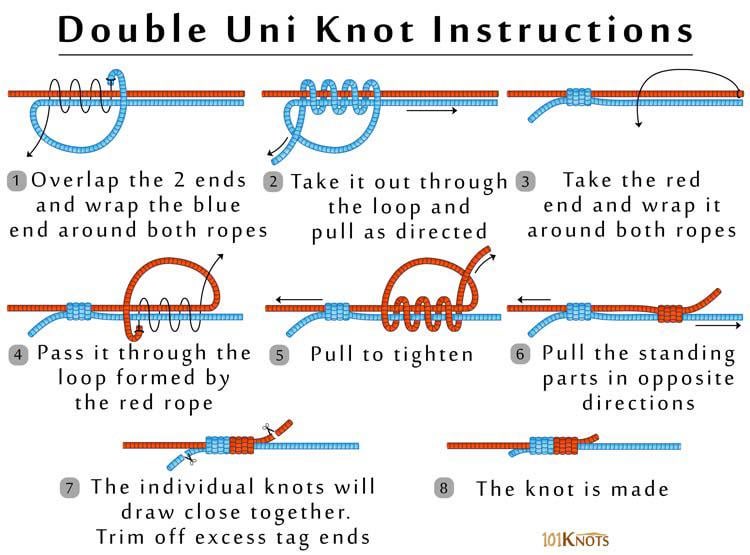
- Use knots like Palomar or Double Uni for braided lines
- Wrap the line 5 to 7 times for better grip
- Wet the line before tightening to reduce friction
- Check the knot for any signs of slipping before fishing
Proper Tightening Methods
Tighten your knot slowly and evenly. This keeps the knot neat and strong.
Pull on the tag end and main line at the same time. Avoid jerking the line to prevent damage.
- Moisten the knot before pulling it tight
- Pull gently but firmly to seat the knot
- Use your fingers to slide the knot down to the swivel
- Trim the tag end close but leave a small tail for safety
Testing Knot Strength
Testing the strength of your knot is important for safe fishing. A strong knot keeps your line and swivel connected. It prevents losing fish or gear.
Two main ways to check your knot are visual inspection and pull test. Both help ensure the knot holds well under pressure.
Visual Inspection
Look carefully at the knot to find any problems. Check for loose wraps or uneven tightening. Make sure the line lies flat without twists.
- Check that the knot is neat and tight
- Look for damaged or frayed line near the knot
- Ensure the knot sits close to the swivel eye
- Confirm there are no gaps or overlaps in the wraps
Pull Test Procedures
Pull tests show how strong the knot really is. You pull on the line slowly and feel for any slipping or loosening. This test helps find weak knots before fishing.
| Test Step | What to Do | What to Look For |
| 1 | Hold the swivel firmly | Steady grip without moving the knot |
| 2 | Pull the line with moderate force | No slipping or loosening of the knot |
| 3 | Increase force gradually | Knot stays tight, no breaks |
| 4 | Release tension slowly | No damage to line or swivel connection |

Credit: www.youtube.com
Common Mistakes To Avoid
Tying braided fishing line to a swivel is simple but needs care. Small mistakes can cause the knot to fail.
Knowing common errors helps you tie strong, reliable knots every time. Avoid these mistakes for better fishing results.
Over-tightening
Pulling the knot too hard can damage the braided line. Over-tightening weakens the fibers and lowers strength.
Always tighten the knot firmly but gently. Stop once it feels secure to keep the line safe.
- Do not yank the knot hard
- Use steady, even pressure
- Check the knot for tightness without strain
Incorrect Knot Choice
Using the wrong knot can cause slipping or breakage. Braided lines need knots made for slick surfaces.
Choose knots like the Palomar or Double Uni that hold well with braided line and swivels.
- Avoid knots made for monofilament only
- Test your knot before fishing
- Practice tying knots that fit braided line
Frequently Asked Questions
How Do I Tie Braided Line To A Swivel Securely?
Use a Palomar knot for a strong, reliable connection. Double the line, pass it through the swivel eye, tie an overhand knot, loop the swivel, and tighten slowly. This knot maintains line strength and prevents slippage, ideal for braided fishing lines.
What Knot Works Best For Braided Fishing Line?
The Palomar knot is the best choice for braided lines. It is simple, strong, and retains nearly 100% of the line’s strength. This knot is easy to tie and resists slipping, making it perfect for attaching braided line to swivels.
Can I Use A Uni Knot With Braided Line?
Yes, the uni knot works well with braided line. It offers good strength and is easy to tie. Make several wraps around the line, then pull tight to secure the swivel without damaging the braided line fibers.
Why Is Tying Braided Line To A Swivel Important?
Properly tying braided line to a swivel prevents line twisting and breakage. A secure knot ensures smooth casting and retrieval. It also protects the line from wear, extending its durability and improving overall fishing performance.
Conclusion
Tying braided line to a swivel is simple with practice. Follow the steps. Ensure knots are tight and secure. This prevents line slips. A good connection helps in smooth fishing experiences. Check your gear before every trip. This ensures you catch more fish.
Practice makes perfect, so keep practicing. Soon, you’ll tie knots quickly and easily. Enjoy your time on the water. Happy fishing!