Tying braided fishing line to a swivel might seem tricky at first, but it’s easier than you think. If you want to keep your gear strong and avoid losing fish, the right knot is key.
In this guide, you’ll learn a simple, reliable way to connect your braided line to a swivel. Follow these easy steps, and you’ll be ready to fish with confidence every time. Keep reading to master this essential skill and improve your fishing experience.
Choosing The Right Swivel
Choosing the right swivel is important for tying braided fishing line. The swivel helps prevent line twist and ensures smooth casting. Picking a swivel that fits your line and fishing style makes a big difference.
This guide covers types of swivels for braided line and size and strength considerations. Use this information to select a swivel that works well with your braided fishing line.
Types Of Swivels For Braided Line
There are several types of swivels suitable for braided fishing line. Each type has unique features to match different fishing needs. Choosing the right type helps keep your line strong and tangle-free.
- Barrel Swivels:Simple and reliable, they allow the line to spin freely.
- Ball Bearing Swivels:Offer smooth rotation and reduce line twist more effectively.
- Three-Way Swivels:Used for multiple lines or rigs, providing extra connection points.
- Snap Swivels:Include a snap for quick lure changes without retying.
Size And Strength Considerations
Swivel size and strength must match the braided line’s diameter and fishing conditions. Using the wrong size can cause line breakage or poor performance.
| Swivel Size | Line Test Range (lbs) | Recommended Uses |
| Small (Size 10-14) | 2 – 10 | Light freshwater fishing, small lures |
| Medium (Size 6-8) | 10 – 30 | General freshwater, medium lures |
| Large (Size 2-4) | 30 – 50+ | Heavy freshwater, light saltwater fishing |
| Extra Large (Size 1/0 and up) | 50+ | Big game saltwater fishing |

Credit: www.reddit.com
Preparing Braided Line
Braided fishing lines are popular for their strength and thin diameter. Preparing your line properly ensures a strong connection to your swivel. Follow these steps for the best results.
Trimming And Conditioning The Line
Trimming the end of your braided line is important. A clean cut helps the line pass through the eye of the swivel smoothly.
Use sharp scissors for a neat cut. Condition the line with a line conditioner. It reduces friction and makes the line more manageable.
- Use sharp scissors for a clean cut
- Apply line conditioner to reduce friction
- Ensure the line is straight
Avoiding Frays And Damage
Frays can weaken your braided line. Check the line before tying it to the swivel. Look for any signs of wear or damage.
Handle the line gently to prevent fraying. Avoid rough surfaces and sharp objects. This keeps the line strong and reliable.
- Inspect line for wear or damage
- Handle gently to avoid frays
- Keep line away from sharp objects
Strong Knots For Braided Line
Tying braided fishing line to a swivel needs strong knots. Braided line is thin but very tough. You must tie knots that do not slip or weaken the line.
Here are three strong knots that work well with braided line. Each knot is easy to learn and holds tight when fishing.
Palomar Knot Steps
The Palomar knot is very strong and simple. It keeps the line’s strength without slipping. Use this knot for braided line and swivels.
- Double about 6 inches of line and pass it through the swivel eye.
- Tie a loose overhand knot with the doubled line.
- Pass the swivel through the loop of the overhand knot.
- Pull both ends slowly to tighten the knot.
- Trim the tag end close to the knot.
Improved Clinch Knot Steps
The Improved Clinch knot is common and works well with braided line. It holds tight when tied correctly and is quick to make.
- Thread the line through the swivel eye.
- Wrap the tag end around the main line 5 to 7 times.
- Pass the tag end through the small loop near the swivel eye.
- Then pass the tag end through the big loop formed.
- Pull the main line slowly to tighten the knot.
- Cut the tag end close to the knot.
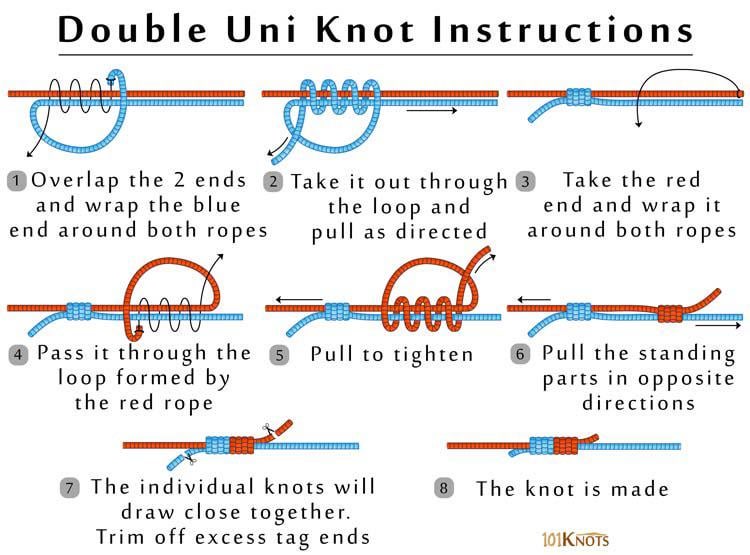
Uni Knot Steps
The Uni knot is strong and versatile. It is good for braided line and easy to adjust before tightening.
- Pass the line through the swivel eye and double back parallel.
- Make a loop by laying the tag end over the doubled line.
- Wrap the tag end around the doubled line 5 times.
- Pull the tag end to tighten the coils.
- Slide the knot down to the swivel eye.
- Pull both ends to secure the knot.
- Trim the tag end close to the knot.

Credit: www.youtube.com
Tying Braided Line To Swivel
Tying braided fishing line to a swivel is key for strong connections. This guide shows easy steps to tie your line securely.
Using the right knot keeps your line from slipping and helps catch more fish. Follow these simple instructions for a reliable knot.
Step-by-step Knot Tying
Start by threading the braided line through the swivel eye. Pull enough line through to work comfortably.
- Double back the line to form a loop alongside the main line.
- Wrap the tag end around both lines five times.
- Pass the tag end through the loop near the swivel eye.
- Moisten the knot with water or saliva to reduce friction.
- Pull the tag end and main line slowly to tighten the knot.
- Trim the excess tag end close to the knot.
Tips For Tightening Knots
Properly tightening your knot prevents slipping and line damage. Use these tips to make your knot strong.
| Tip | Description |
| Moisten the Knot | Use water or saliva before pulling the knot tight. |
| Pull Slowly | Tighten the knot gradually for even pressure. |
| Check Tightness | Test the knot by pulling hard before fishing. |
| Trim Excess | Cut the tag end close but leave a small bit for security. |
Testing Knot Strength
Testing the knot strength is important after tying braided fishing line to a swivel. It ensures the knot will hold under pressure while fishing.
Strong knots prevent losing fish and gear. You can test the knot by pulling and checking for any weaknesses.
Pull Test Techniques
Pull the line slowly and steadily to check the knot strength. Use your hands or a device to apply tension.
Try pulling the line at different angles to see if the knot slips or loosens. A good knot stays tight and secure.
- Hold the swivel firmly and pull the braided line.
- Apply steady pressure until you feel resistance.
- Check if the knot moves or loosens under tension.
- Repeat the pull test a few times for consistency.
Signs Of Knot Failure
Look for visible signs that the knot is failing. These signs mean the knot may not hold during fishing.
Pay attention to slipping, fraying, or stretching around the knot. These problems weaken the connection.
- The knot slides or moves along the line under tension.
- The braided line shows frayed or broken fibers near the knot.
- The knot loosens or comes undone easily.
- The line stretches excessively at the knot point.
Common Mistakes To Avoid
Tying braided fishing line to a swivel needs care and the right technique. Mistakes can weaken the connection and cause line breaks.
Knowing what to avoid helps keep your line strong and your catch secure. Two common errors are over-tightening and using the wrong knot.
Over-tightening And Line Damage
Pulling the knot too tight can harm the braided line. The fibers may break or fray, making the line weaker.
- Do not pull the knot with extreme force.
- Wet the line before tightening to reduce friction.
- Tighten slowly and evenly to avoid sharp bends.
- Check the knot after tying for any damage or loose strands.
Incorrect Knot Choice
Not all knots work well with braided line. Some knots slip or do not hold the line securely.
| Knot Type | Suitability for Braided Line | Common Issue |
| Palomar Knot | Good | Strong and reliable |
| Uni Knot | Good | Easy to tie and secure |
| Improved Clinch Knot | Poor | May slip with braided line |
| Loop Knot | Moderate | Can loosen under pressure |
Maintaining Your Knots
Tying braided fishing line to a swivel is easy, but keeping the knots strong is key. Good knot care helps prevent losing fish.
Check your knots often to make sure they stay tight and safe. This keeps your fishing line ready for use every time.
Regular Inspection
Look at your knots before and after fishing. See if the line is frayed or loose near the swivel.
Small damage can cause big problems. Catch issues early to avoid losing your catch or gear.
- Check for any cuts or breaks in the line
- Make sure the knot is tight and not slipping
- Test the knot by pulling gently
- Look for any twist or tangles
Replacing Worn Knots
Change knots that show wear or damage. Old knots can fail and cause lost fish or tackle.
Cut off the old knot and make a new one using the right tying technique. This keeps your line strong.
- Remove knots with visible damage
- Use a clean line end for tying new knots
- Moisten the line before tightening knots
- Test new knots for security before fishing

Credit: www.youtube.com
Frequently Asked Questions
How Do You Tie Braided Line To A Swivel?
To tie braided line to a swivel, use a strong knot like the Palomar or improved clinch knot. Wet the line before tightening to prevent friction damage. Trim excess line for a neat finish and secure connection.
What Is The Best Knot For Braided Fishing Line?
The Palomar knot is best for braided fishing line. It is strong, easy to tie, and maintains line strength. This knot works well for attaching braided line to swivels, hooks, and lures.
Can Braided Line Damage A Swivel?
Braided line itself does not damage swivels. However, improper knots or excessive friction can wear the swivel eye. Always use proper knots and keep the line lubricated to reduce wear.
How Tight Should I Tie The Knot On Braided Line?
Tighten the knot firmly but gently to avoid weakening the braided line. Wet the line before pulling tight to reduce heat and friction. A properly tied knot ensures strength and reliability.
Conclusion
Tying braided fishing line to a swivel is simple and strong. Practice the steps slowly to get the best result. Use the right knot and pull it tight every time. This helps keep your line secure while fishing. Remember, patience makes your knot last longer.
Try it a few times before going fishing. Soon, you will feel confident in tying the line quickly. Enjoy your fishing with less worry about your line slipping. Keep practicing, and you will improve fast.