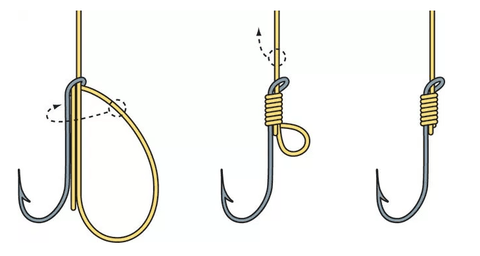
Tying a fishing hook to your line might seem simple, but doing it the right way can make all the difference in your catch. If you want your hook to stay secure and avoid losing fish, mastering this skill is a must.
You’ll learn easy, step-by-step techniques that anyone can follow. By the end, you’ll feel confident and ready to fish like a pro. Keep reading—you’re just a few knots away from improving your fishing game!

Credit: www.wikihow.com
Choosing The Right Hook And Line
Picking the right fishing hook and line helps catch fish more easily. The right choice depends on the type of fish and water conditions.
Using the correct hook and line together keeps your fishing setup strong and balanced. This guide explains how to select them.
Types Of Fishing Hooks
Fishing hooks come in many shapes and sizes. Each type works best for different fish and fishing styles.
- J-Hooks: Classic shape, good for many fish
- Circle Hooks: Reduce fish injury, good for catch and release
- Treble Hooks: Three points, used for lures
- Siwash Hooks: Single hooks, often used on spoons
- Bait Hooks: Designed to hold bait well
Selecting Suitable Fishing Line
Fishing lines vary by material and strength. Choose line type based on water type and fish size.
- Monofilament: Stretchy and easy to handle
- Fluorocarbon: Less visible underwater, sinks fast
- Braid: Strong and thin, good for heavy cover
Matching Hook And Line Strength
Match the hook size with the line strength. Stronger hooks need stronger lines to avoid breakage.
| Hook Size | Recommended Line Strength |
|---|---|
| Small (10-14) | 2-6 lb test |
| Medium (6-9) | 6-12 lb test |
| Large (1-5) | 12-20+ lb test |
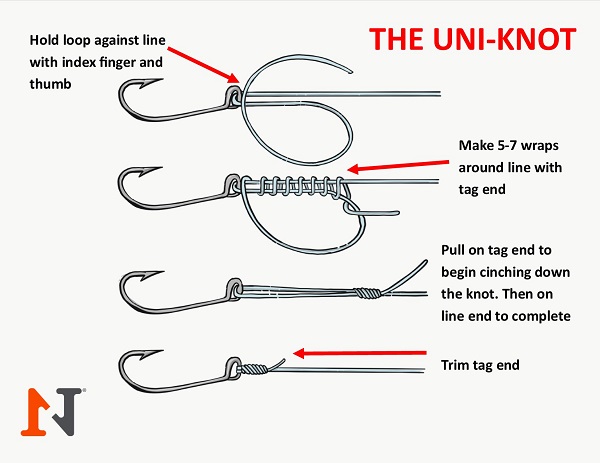
Credit: n1outdoors.com
Popular Knots For Fishing Hooks
Fishing knots help secure your hook to the line. Knowing the right knots can enhance your fishing experience. Let’s explore some popular knots used for fishing hooks.
Improved Clinch Knot
The Improved Clinch Knot is reliable and easy to tie. It’s great for securing the hook to the line.
- Pass the line through the hook’s eye.
- Wrap the line around itself five times.
- Insert the end of the line through the first loop.
- Pull tight to secure the knot.
Palomar Knot
The Palomar Knot is strong and straightforward. It is ideal for braided lines.
- Double the line and pass it through the hook’s eye.
- Tie a loose overhand knot with the doubled line.
- Pass the hook through the loop.
- Pull both ends to tighten.
Uni Knot
The Uni Knot is versatile and effective for different types of lines. It’s popular among anglers for its simplicity.
| Step | Description |
| 1 | Pass the line through the hook’s eye. |
| 2 | Create a loop with the tag end. |
| 3 | Wrap the tag end around the line and through the loop. |
| 4 | Pull to tighten the knot. |
Step-by-step Knot Tying Guide
Tying a fishing hook on your line is an important skill for fishing. A good knot keeps the hook secure and helps catch fish easily.
This guide shows simple steps to tie a strong knot on your fishing line and hook.
Preparing The Line And Hook
Start by choosing the right fishing line and hook for your fishing needs. Make sure the line is clean and free of knots or damage.
- Cut the line to a good length for handling.
- Check the hook for rust or damage.
- Hold the hook by the shank with the point facing away.
- Pass the line through the eye of the hook carefully.
Tying The Knot
Use a simple knot like the improved clinch knot. It is strong and easy to tie for beginners.
- Pass the line through the hook eye and double back.
- Wrap the tag end around the standing line five to seven times.
- Thread the tag end through the small loop near the eye.
- Pass the tag end through the big loop created.
- Moisten the knot with water or saliva.
- Pull the tag end and standing line slowly to tighten the knot.
Securing And Testing The Knot
| Action | Purpose |
| Moisten the knot | Reduces friction and prevents weakening |
| Tighten the knot slowly | Ensures a strong and secure hold |
| Trim excess tag end | Prevents snagging and keeps knot neat |
| Pull test the knot | Checks if the knot holds under pressure |
Make sure the knot does not slip or loosen after the pull test. This confirms the hook is securely tied.
Tips For Stronger Knots
Tying a fishing hook securely is important to catch fish without losing them. Strong knots keep the hook attached to the line.
Use simple techniques to make your knots stronger and more reliable on the water.
Moistening The Line
Always moisten the line before tightening the knot. This helps reduce friction and prevents the line from weakening.
Use water or saliva to wet the line gently. Avoid using too much water to keep the knot firm.
Avoiding Over-tightening
Tighten the knot just enough to secure it. Over-tightening can damage the line and make it weak.
Pull the line slowly and steadily to avoid snapping or stressing the knot.
Trimming Excess Line
Cut off the extra line close to the knot. Leaving too much line can cause snags or loose loops.
Use sharp scissors or clippers for a clean cut. This keeps your knot neat and strong.
Common Mistakes To Avoid
Tying a fishing hook on the line seems easy. Yet, many anglers make mistakes that cause lost fish.
Knowing common errors helps you tie stronger knots and catch more fish.
Loose Knots
Loose knots can slip and let the hook come off. This happens when the knot is not tightened well.
Always pull the knot firmly and wet the line before tightening. This stops friction and keeps the knot tight.
- Do not leave gaps in the knot
- Pull both ends of the line firmly
- Wet the line to reduce damage
Wrong Knot Choice
Using the wrong knot for your line type can cause weak connections. Some knots work better with certain lines.
Match the knot to your line material and thickness. This ensures strong holding power for your hook.
- Use improved clinch knot for monofilament
- Try Palomar knot for braided lines
- Choose knots that suit your fishing style
Ignoring Line Condition
Tying a knot on old or damaged line weakens the connection. Frayed or worn lines break easily.
Check your line before tying. Replace or cut off damaged sections to keep knots strong.
- Look for frays or cracks
- Replace line if it looks worn
- Trim the line end before tying

Credit: greensafaris.com
Frequently Asked Questions
How Do I Tie A Fishing Hook To The Line?
To tie a fishing hook, thread the line through the eye. Wrap the tag end around the main line 5-7 times. Pass the tag end through the loop near the eye. Pull tight to secure the knot firmly.
What Is The Strongest Knot For Fishing Hooks?
The Palomar knot is one of the strongest knots. It is simple and maintains high line strength. It works well with braided and monofilament lines, ensuring the hook stays secure during fishing.
Can I Use Any Fishing Line To Tie Hooks?
Yes, you can use monofilament, fluorocarbon, or braided lines. Each line type requires slight knot adjustments. Choose based on fishing conditions and target fish species for best results.
How Tight Should I Pull The Fishing Knot?
Pull the knot tight enough to secure the hook firmly. Avoid excessive force to prevent line damage. Wetting the line before tightening helps reduce friction and strengthens the knot.
Conclusion
Tying a fishing hook on the line is simple with practice. Use the right knot for strong, secure holds. Take your time and check the knot before fishing. A good knot helps catch more fish and avoids losing your bait.
Keep practicing to build confidence and skill. Fishing becomes more enjoyable when your gear works well. Try different knots to find the best one for you. Remember, a strong knot means a better fishing day.