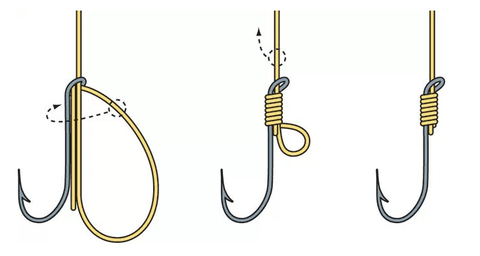
Are you tired of losing fish because your line slips off the hook? Knowing how to tie your fishing line properly can make all the difference between a successful catch and coming home empty-handed.
Whether you’re a beginner or just need a quick refresher, this simple skill will boost your confidence and improve your fishing game instantly. Keep reading, and you’ll learn easy, step-by-step methods to secure your line tightly every time—so you never miss out on the big catch again.
Choosing The Right Line And Hook
Choosing the right fishing line and hook is important for a good catch. The right line and hook match the fish size and water conditions.
Picking the correct tools helps your fishing line hold tight and your hook catch fish better.
Types Of Fishing Lines
Fishing lines come in different types. Each type has strengths and uses for different fishing styles.
- Monofilament: Stretchy and easy to handle, good for beginners.
- Fluorocarbon: Hard to see in water and strong, good for clear water.
- Braid: Very strong and thin, good for heavy cover fishing.
Choose a line type that fits your fishing spot and the fish you want to catch.
Selecting Hook Sizes
Hooks come in many sizes. The size you pick depends on the fish you want to catch.
Smaller hooks work well for small fish. Bigger hooks are better for larger fish.
| Hook Size | Fish Type | Common Use |
| Size 10-14 | Small fish | Panfish, small trout |
| Size 6-8 | Medium fish | Bass, walleye |
| Size 1-4 | Large fish | Catfish, pike |
Match your hook size with the bait and fish size for best results.
Preparing The Line And Hook
Tying fishing line to a hook is an important skill for any angler. Proper preparation helps make strong knots that hold well.
Before tying, you need to trim the line and moisten it. These steps protect the line and improve knot strength.
Trimming The Line
Trim the fishing line end to remove any frayed or damaged parts. A clean cut helps the knot hold better and prevents slipping.
- Use sharp scissors or a line cutter
- Cut at a slight angle for easier threading
- Make sure the cut end is smooth, not jagged
- Trim about one to two inches of the line end
Moistening The Line
Moisten the line before tightening the knot. This reduces friction and heat, which can weaken the line.
| Why Moistening Helps | How to Moisten |
| Prevents line from melting or breaking | Use water or saliva |
| Allows knot to tighten smoothly | Apply a small drop on the knot area |
| Keeps line flexible | Do not soak the entire line |
Step-by-step Knot Techniques
Tying a fishing line to a hook is important for fishing. Knowing the right knots helps keep your hook secure. Here, we will look at three easy knots.
These knots are simple to learn and very effective. They are the Improved Clinch Knot, Palomar Knot, and Uni Knot.
Improved Clinch Knot
The Improved Clinch Knot is popular among anglers. It is used to fasten the line to the hook. This knot is strong and easy to tie.
- Thread the line through the hook eye.
- Wrap the line around itself 5 times.
- Pass the end through the first loop.
- Then, pass it through the big loop.
- Pull the line tight to secure the knot.
Palomar Knot
The Palomar Knot is strong and easy to tie. It is used for many types of fishing lines. This knot works well with braided lines.
- Double the line and pass it through the hook eye.
- Tie a loose overhand knot with the doubled line.
- Pass the hook through the loop.
- Pull on both ends to tighten the knot.
- Trim any extra line.
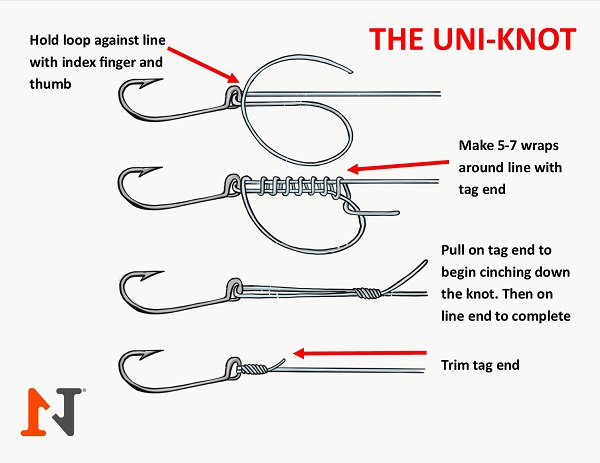
Uni Knot
The Uni Knot is versatile and reliable. It can be used for tying line to hooks, lures, and swivels. This knot is easy for beginners.
- Pass the line through the hook eye and double back.
- Create a loop by laying the tag end over the main line.
- Make 6 turns with the tag end around both lines.
- Pull the tag end to tighten the knot.
- Slide the knot down to the hook and trim excess.

Credit: www.wikihow.com
Tips For Stronger Knots
Tying a fishing line to a hook is simple but needs care. Strong knots hold better and catch more fish.
Here are tips to help you tie knots that stay tight and do not slip.
Avoiding Line Slippage
Line slippage happens when the knot loosens and the line slides off. Use knots designed to grip well on the hook.
Keep the line clean and wet before tightening. Dry lines slip more easily.
- Wet the line before pulling tight
- Use knots like Palomar or Improved Clinch
- Make several wraps around the standing line
Ensuring Tightness
Tight knots hold the line firmly to the hook. Pull the knot slowly and evenly to avoid damage.
Do not rush tightening. A loose knot can slip or come undone.
- Pull the tag end and standing line evenly
- Keep tension while sliding the knot tight
- Check for gaps and adjust before cutting excess line
Testing Knot Strength
Always test your knot before fishing. This helps avoid lost hooks and fish.
Pull on the line with steady force. If the knot slips or breaks, retie it.
- Pull line firmly to check grip
- Look for slipping or loosening
- Retie if knot feels weak or uneven
Common Mistakes To Avoid
Tying fishing line to a hook is simple but easy to mess up. Avoiding common mistakes helps keep your line strong and secure.
These mistakes can cause lost fish or broken lines. Learn what to watch for when tying your hook.
Over-tightening
Tightening the knot too much can damage the fishing line. It weakens the line and may cause it to snap under pressure.
Pull the knot firm but not too hard. Let the knot settle naturally around the hook eye.
Using Damaged Line
Always check your fishing line for cuts or frays before tying. Damaged line reduces knot strength and can break easily.
Replace any worn or old line to keep your knots strong and reliable.
Incorrect Knot Choice
Using the wrong knot can cause your hook to slip or your line to break. Choose knots made for fishing line and hooks.
Some knots work better with certain types of line or hook sizes. Learn which knot fits your setup.
- Improved Clinch Knot: Good for most hooks and lines
- Palomar Knot: Strong and simple for braided lines
- Uni Knot: Versatile and easy to tie
Credit: n1outdoors.com
Maintaining Your Knots On The Water
Tying the fishing line to the hook is just the start. Keeping the knot strong while fishing is very important. Knots can weaken or come loose due to water, fish pulling, or rubbing.
Taking care of your knots helps avoid losing fish and gear. It also makes your fishing more successful and fun.
Regular Checks
Look at your knots often while fishing. Check for any signs of wear, such as frayed lines or loose loops. Wet conditions and fish pulling can cause damage.
Touch the knot and feel if it is tight. If it feels loose or weak, it may fail when you catch a fish. Regular checks help you catch problems early.
- Inspect the knot after every big catch
- Check after casting into rough water or rocks
- Look for cuts or frays in the line near the knot
- Feel if the knot feels tight and secure
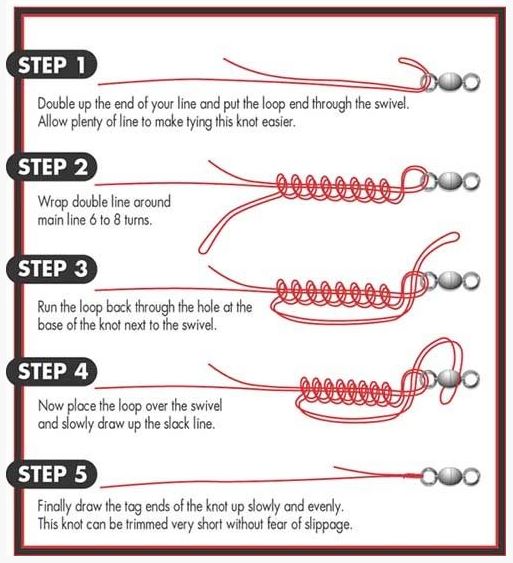
Re-tying When Needed
If you find damage or looseness, re-tie the knot right away. A fresh knot is safer and stronger. Don’t wait until the knot breaks during a fight with a fish.
Re-tying keeps your fishing line reliable. It also saves you from losing hooks, lures, or fish. Always carry extra hooks and tools for quick re-tying on the water.
- Cut off damaged line before tying a new knot
- Use the same knot technique each time for consistency
- Tighten the knot firmly and trim excess line
- Test the knot with a strong pull before casting
Credit: www.beadinggem.com
Frequently Asked Questions
How Do I Tie Fishing Line To A Hook Securely?
To tie fishing line securely, use the improved clinch knot. Thread the line through the hook eye, wrap around five times, then pass the tag end through the loop near the eye. Tighten firmly and trim the excess line for a strong hold.
What Is The Best Knot For Fishing Hooks?
The improved clinch knot is the best for fishing hooks. It offers strong grip and easy tying. It works well with most fishing lines and hooks. This knot prevents slippage and keeps your hook securely attached during fishing.
Can I Use Any Fishing Line For Tying Hooks?
You can use most fishing lines, but monofilament and fluorocarbon are best. They are flexible and easy to knot. Braided lines require special knots for better grip. Choose the line type based on your fishing needs and hook type.
How To Avoid Fishing Line Slipping Off The Hook?
Prevent slipping by moistening the line before tightening the knot. Make sure to wrap the line tightly and trim the tag end closely. Using the right knot, like the improved clinch knot, also helps keep the line secure on the hook.
Conclusion
Tying a fishing line on a hook is simple with practice. Use the right knot to keep your catch secure. Always check the knot before you cast. Strong knots help avoid losing fish. Take your time, and don’t rush the process.
Soon, tying lines will feel natural and easy. Keep practicing, and enjoy your fishing trips more. Small steps lead to better fishing skills.