Are you tired of your fishing line slipping or coming loose when you spool your reel? Knowing how to tie fishing line on a spool properly can save you time, frustration, and lost fish.
It’s a simple skill that makes a big difference in your fishing experience. In this guide, you’ll learn easy steps to secure your line perfectly every time. Keep reading, and you’ll be ready to cast with confidence on your next fishing trip.
Credit: n1outdoors.com
Choosing The Right Fishing Line
Choosing the right fishing line is important for a good fishing experience. The right line helps you catch fish easily and prevents line breaks.
Different fishing situations need different types of lines. It is important to know what works best for your fishing style.
Types Of Fishing Lines
There are three main types of fishing lines: monofilament, fluorocarbon, and braided lines. Each has its own features and uses.
Monofilament lines are stretchy and easy to handle. Fluorocarbon lines are less visible underwater and more resistant to abrasion. Braided lines are very strong and have little stretch.
- Monofilament: Good for beginners and general use
- Fluorocarbon: Best for clear water and sensitive bites
- Braided: Ideal for heavy cover and long casts
Line Strength And Diameter
Line strength is measured in pounds and shows how much weight the line can hold. Choose a strength that matches the fish you want to catch.
Diameter affects how much line fits on your spool and how visible the line is. Thinner lines cast farther but may break more easily.
- Stronger lines hold bigger fish
- Thicker lines are easier to handle but less sensitive
- Thinner lines offer better casting distance
Matching Line To Reel And Rod
Match the line strength to your reel’s capacity. Check the reel label for the recommended line weight and length.
Your rod also has a recommended line weight. Using the right line keeps your gear balanced and helps you cast well.
- Use line within the reel’s capacity
- Follow the rod’s line weight rating
- Consider the type of fishing you will do

Credit: www.youtube.com
Preparing The Spool
Getting your fishing line ready involves preparing the spool. This ensures smooth casting and reeling. Follow these steps to prepare the spool correctly.
Start by checking the spool for any dirt or residue. Cleaning the spool is essential for maintaining your gear.
Cleaning The Spool
Clean the spool before adding the fishing line. Dirt can cause line tangles and damage.
Use a soft cloth or brush to remove debris. Make sure the spool is dry before moving to the next step.
- Remove old line and debris
- Wipe with a dry, soft cloth
- Ensure the spool is completely dry
Applying Backing Line
Backing line is necessary for larger spools. It helps fill the spool and saves main line.
Start by tying the backing line to the spool. Wind it evenly to create a smooth base for the main line.
- Secure the backing line with a knot
- Wind the line evenly on the spool
- Leave some space for the main line
Attaching The Line To The Spool
Tying your fishing line to the spool is an important step before you start fishing. A strong knot keeps the line secure and stops it from slipping.
This guide explains how to choose the right knot and tie it correctly on your spool.
Selecting The Knot
Choose a knot that is strong and easy to tie. The knot must hold tight under pressure. Some knots work better with certain lines.
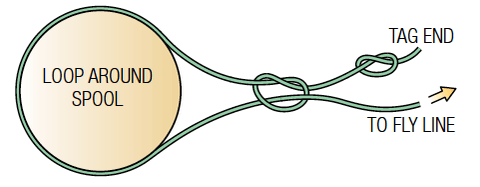
The Arbor knot is popular for attaching line to a spool. It is simple and holds well with most types of fishing line.
- Arbor knot: Good for monofilament and braided lines
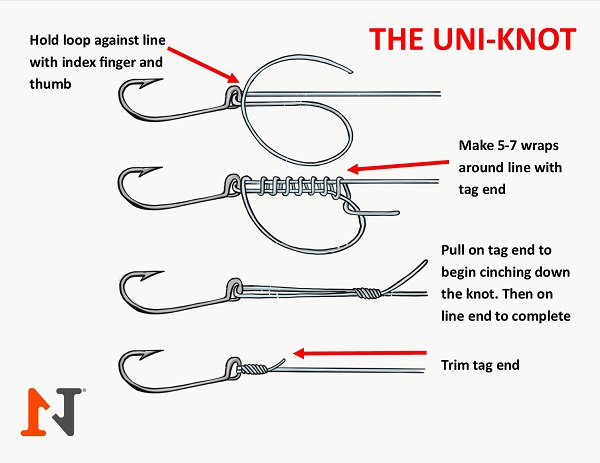
- Uni knot: Strong and easy to adjust
- Improved clinch knot: Common for many fishing setups
Step-by-step Knot Tying
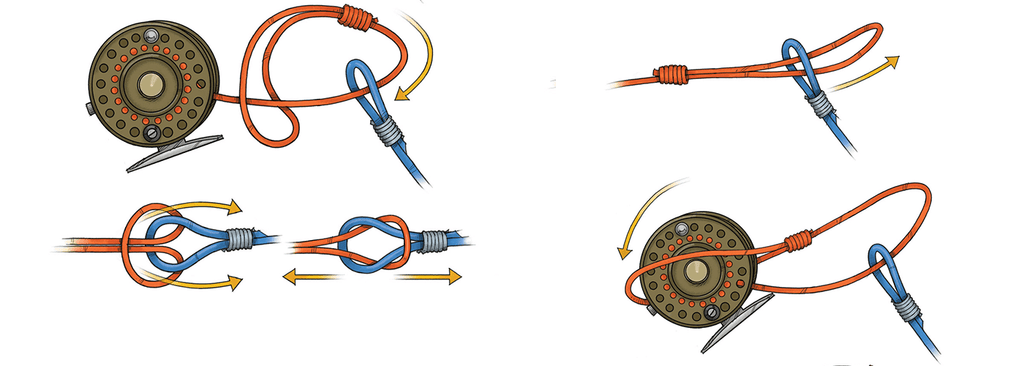
Follow these steps to tie an Arbor knot on your spool. Make sure the line is tight and neat.
- Wrap the line around the spool.
- Tie an overhand knot around the main line.
- Make a second overhand knot on the tag end.
- Pull both knots tight against the spool.
- Trim any extra line close to the knot.
Check the knot before you start winding the spool. A secure knot will keep your line safe while fishing.
Winding The Line On The Spool
Winding the fishing line on the spool is a key step in preparing your reel. Proper winding helps avoid tangles and ensures smooth casting.
Keeping the line tight and evenly spread on the spool extends the life of your line and improves fishing performance.
Maintaining Tension
Keep steady tension on the line as you wind it. This stops loops and loose coils that can cause problems later.
- Hold the line firmly between your fingers.
- Pull the line tight while turning the reel handle.
- Keep the pressure consistent to avoid slack.
- Ask a friend to help by holding the spool with tension if needed.
Even Line Distribution
Spread the line evenly across the spool to prevent bunching on one side. This helps the line come off smoothly when you cast.
| Tip | How to Do It |
| Guide the line | Use your finger or a line guide to move the line side to side. |
| Slow and steady | Turn the reel handle slowly to control the line placement. |
| Check often | Stop winding and check the line placement regularly. |
| Fix bunches | Remove and rewind if the line gets uneven or tangled. |
Common Mistakes To Avoid
Tying fishing line on a spool might seem easy. Still, many anglers make simple errors that cause problems later.
Understanding these mistakes helps you tie the line correctly. This improves your fishing experience and avoids line loss.
Overtightening The Knot
Pulling the knot too tight can weaken the fishing line. The line may get damaged or even break under pressure.
It is best to pull the knot snugly but not too hard. This keeps the knot secure and the line strong.
Loose Line Wrapping
Wrapping the line loosely on the spool causes tangles and uneven casting. The line may slip off during use.
- Keep the line tight while winding
- Use consistent tension with your fingers
- Check the line wraps to avoid gaps
- Rewind if the line looks loose or messy
Ignoring Line Twist
Not managing line twist leads to knots loosening and tangles forming. Twists reduce casting distance and cause frustration.
| Problem | Effect | How to Fix |
| Line twist | Knot loosens, tangles form | Spool line carefully, use swivel |
| Overtightened knot | Line weakens, breaks | Pull knot snugly, not too hard |
| Loose wrapping | Line slips, casting problems | Keep tension, wrap tightly |
Credit: www.epicflyrods.com
Tips For Line Maintenance
Taking care of your fishing line helps it last longer. Good maintenance stops breaks and tangles.
Check your line often. Fix problems quickly to keep fishing smooth and fun.
Checking For Wear
Look at the line for cuts, frays, or weak spots. These can cause the line to snap.
Run the line through your fingers. Feel for rough or thin areas that may break.
- Check near the spool and the hook
- Look for discoloration or stiff parts
- Replace or fix any damaged sections
Replacing Old Line
Old line loses strength and can cause lost fish. Change it regularly to avoid problems.
Remove all old line from the spool before adding new line. This keeps the spool clean and neat.
- Remove old line carefully to avoid spool damage
- Choose the right line type and strength for your fishing
- Tie the new line securely to the spool
- Wind the line evenly to prevent tangles
Frequently Asked Questions
How Do I Start Tying Fishing Line On A Spool?
Begin by threading the line through the spool’s guide hole. Tie a secure knot, such as an arbor knot, around the spool. Pull the knot tight and trim any excess line before winding.
What Knot Is Best For Tying Fishing Line On A Spool?
The arbor knot is ideal for tying fishing line on a spool. It provides a strong hold and prevents slipping during winding and casting.
How Tight Should Fishing Line Be Wound On The Spool?
Wind the line firmly but not too tight. Over-tightening can damage the line and spool. Keep consistent tension to avoid tangles and ensure smooth casting.
Can I Use Any Type Of Fishing Line On A Spool?
Most spools can hold monofilament, fluorocarbon, or braided lines. Check your reel’s specifications to ensure compatibility and optimal performance.
Conclusion
Tying fishing line on a spool is simple with practice. Start slow and follow each step carefully. Use the right knot to keep the line secure. Check for tightness before you begin fishing. A well-tied line helps avoid problems on the water.
Keep your tools and line clean for best results. With patience, this skill becomes easy and quick. Enjoy your time fishing without worrying about loose lines. Keep practicing, and you will improve every time.