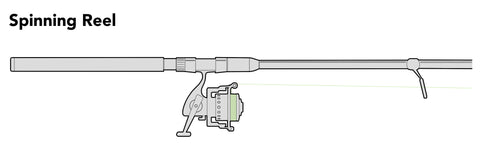
Tying your fishing line to a spinning reel might seem tricky at first, but once you learn the right steps, it becomes quick and easy. Getting this right is important because a secure knot keeps your line strong and helps you catch more fish without losing them.
If you want to avoid frustrating tangles and missed bites, this guide is exactly what you need. Keep reading, and you’ll master the simple technique that will make your fishing trips smoother and more successful.
Choosing The Right Fishing Line
Choosing the right fishing line is important for a good fishing experience. The line must match the type of fish and the reel used.
This guide covers types of fishing lines, line strength, diameter, and tips for spinning reels.
Types Of Fishing Lines
Fishing lines come in different materials. Each type has strengths and weaknesses.
- Monofilament:Flexible and easy to handle. Good for beginners.
- Fluorocarbon:Nearly invisible underwater. Great for clear water fishing.
- Braided:Very strong and thin. Best for heavy cover and long casts.
Line Strength And Diameter
Strength shows how much weight the line can hold. Diameter affects casting and visibility.
| Line Type | Strength Range (lbs) | Diameter (inches) | Use |
| Monofilament | 4 – 30 | 0.008 – 0.035 | General fishing |
| Fluorocarbon | 6 – 40 | 0.010 – 0.040 | Clear water, low visibility |
| Braided | 10 – 80+ | 0.006 – 0.035 | Heavy cover, long casts |
Considerations For Spinning Reels
Spinning reels work best with certain line types and sizes. Using the right line improves casting and reduces tangles.
- Choose lighter line strength for small fish and light lures.
- Match line diameter to the reel spool size.
- Monofilament and fluorocarbon lines are easy to tie and handle on spinning reels.
- Braided lines offer strength but need a leader to avoid fish seeing the line.
Credit: n1outdoors.com
Preparing The Spinning Reel
Before tying fishing line on a spinning reel, you must prepare the reel properly. This helps the line attach smoothly and prevents problems while fishing.
Preparing includes cleaning, inspecting, opening the bail, and positioning the reel correctly. Each step makes the process easier.
Cleaning And Inspecting The Reel
Start by cleaning the reel to remove dirt and old line bits. Use a soft cloth and warm water to wipe the reel’s surface.
Check the reel for any damage. Look for cracks, rust, or loose parts. Make sure the spool spins freely without noise.
- Wipe the reel body and spool
- Remove any old fishing line
- Check for cracks or rust
- Spin the spool to test smoothness
- Tighten any loose screws
Opening The Bail
The bail is the metal arm on the reel that controls the line. Open it fully before tying the line.
To open the bail, lift it up until it clicks in place. This stops the spool from turning and keeps the line steady.
- Lift the bail arm up gently
- Make sure it stays open
- Do not force it if stuck
- Close it after tying the line
Positioning The Reel For Line Attachment
Hold the rod with the reel facing up. This position makes it easier to tie the line to the spool.
Keep the reel steady with one hand. Use your other hand to feed the line and make secure knots.
- Hold rod so reel faces upward
- Keep reel steady with your hand
- Feed line from the spool end
- Tie the line without twisting it
Basic Knots For Spinning Reels
Tying the right knot is essential for fishing success. It keeps the hook secure and prevents line breaks. Learn these basic knots for spinning reels to improve your fishing skills.
Each knot has its own strengths. Practice them to see which works best for you. Let’s explore these essential fishing knots.
Improved Clinch Knot
The Improved Clinch Knot is reliable and easy to tie. It is perfect for securing the fishing line to the hook or lure. Follow these steps to tie it:
- Thread the line through the hook eye.
- Wrap the line around itself five times.
- Pass the end of the line through the first loop.
- Bring it back through the big loop you just made.
- Moisten the knot and pull it tight.
Palomar Knot
The Palomar Knot is one of the strongest knots for fishing. It works well with braided lines. Here’s how you tie it:
- Double about six inches of line and pass it through the hook eye.
- Tie a loose overhand knot with the doubled line.
- Pass the hook through the loop.
- Moisten and pull both ends of the line to tighten.
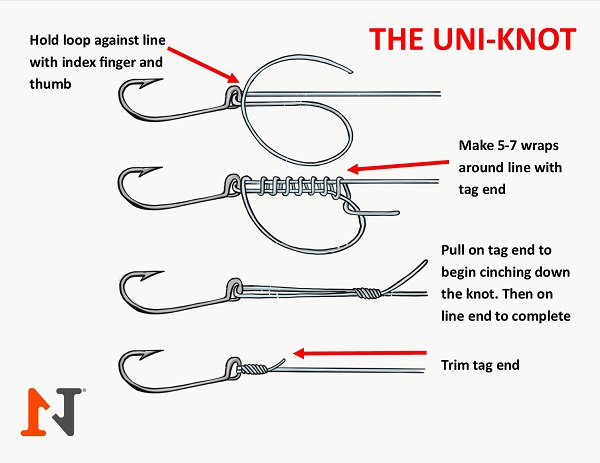
Uni Knot
The Uni Knot is versatile and strong. It is useful for connecting lines or attaching hooks. Learn how to tie it below:
| Step | Description |
| 1 | Run the line through the hook eye. |
| 2 | Create a loop by bringing the tag end back. |
| 3 | Wrap the tag end around the double line six times. |
| 4 | Moisten and pull the tag end to tighten. |
| 5 | Slide the knot down to the hook eye. |
Step-by-step Knot Tying Guide
Tying the fishing line on a spinning reel is important for a good catch. This guide shows how to do it clearly and simply.
Follow these steps to make sure your line is secure and ready for fishing.
Threading The Line Through The Reel
Start by pulling the end of the fishing line through the rod guides. Then, pass it through the reel spool opening. Make sure the line is straight and not twisted.
Tying The Knot Securely
A strong knot keeps your line from slipping. Use the improved clinch knot for the best hold. Follow these simple steps:
- Pass the line through the reel eye twice.
- Wrap the tag end around the main line five times.
- Thread the tag end through the loop near the reel eye.
- Pull the tag end to tighten the coils around the main line.
- Slide the knot close to the reel eye and pull tight.
- Wet the knot to reduce friction and pull hard to secure it.
Trimming Excess Line
After tying the knot, cut the extra tag end. Leave about 1/8 inch to avoid slippage. Use sharp scissors or nail clippers for a clean cut.
| Tool | Purpose |
|---|---|
| Sharp scissors | Clean and easy cut |
| Nail clippers | Precise trimming close to knot |
| Line cutters | Fast and safe cutting |
Tips For Stronger Knots
Tying a strong knot on your spinning reel is important. A good knot keeps your line secure and helps you catch fish.
These tips will help you tie knots that hold tight and last longer on your fishing line.
Moistening The Knot
Moistening the knot before tightening it reduces friction. This helps the line slide smoothly and prevents damage.
Use water or saliva to wet the knot. Avoid dry tightening, which can weaken the line.
Pulling The Knot Tight
Pull the knot tight slowly and evenly. Pull both ends of the line to secure the knot firmly.
Do not jerk the knot fast. A steady pull helps the knot settle properly and hold better.
Checking Knot Strength
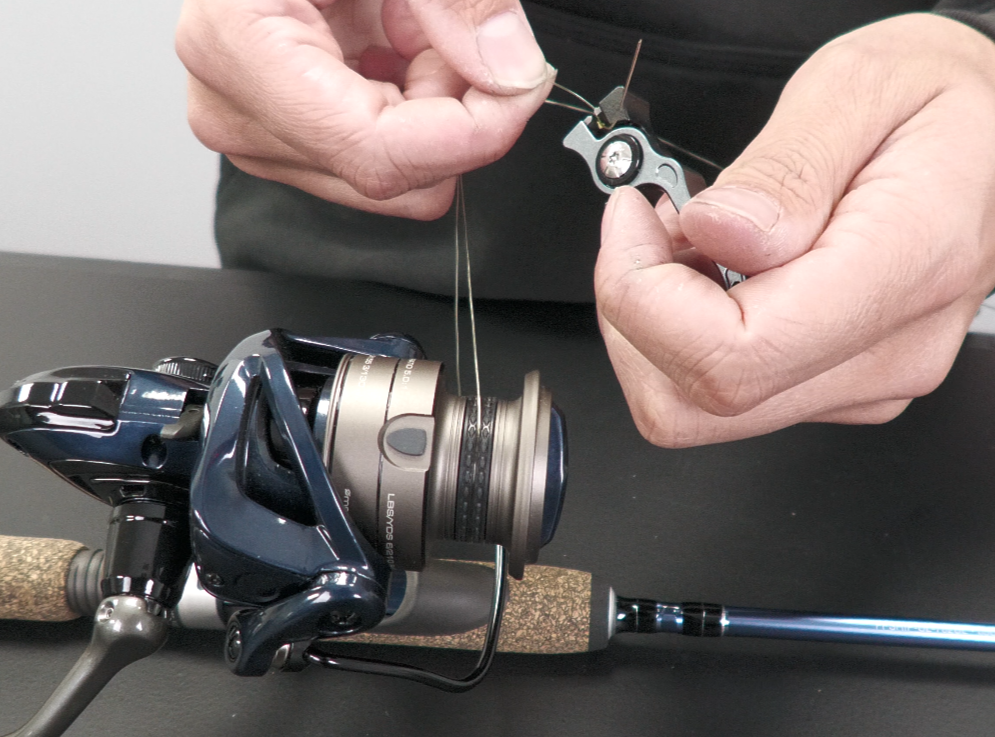
After tying, test the knot by pulling hard. Make sure it does not slip or come loose.
- Pull the line away from the reel firmly.
- Check if the knot stays tight.
- Retie if you see any slipping.
Credit: www.fishusa.com
Common Mistakes To Avoid
Tying fishing line on a spinning reel needs care. Small errors can cause big problems while fishing.
Knowing what to avoid helps keep your line strong and your catch secure.
Overtightening The Knot
Pulling the knot too tight can weaken the fishing line. The line may break easily under tension.
- Do not use too much force when tightening.
- Wet the line before pulling the knot tight.
- Pull slowly and evenly for the best hold.
- Check the knot for any damage before casting.
Using Damaged Line
Old or damaged line reduces strength and can snap easily. Always inspect your line before tying.
| Type of Damage | Effect on Fishing |
|---|---|
| Frays or Cuts | Weak spots that break under pressure |
| Discoloration | Line may be aged and brittle |
| Twists or Kinks | Causes knots to slip or fail |
Ignoring Line Twist
Line twist causes tangles and weak knots. It happens if you do not manage the line properly.
To avoid line twist:
- Use a swivel to reduce line spinning.
- Check the spool for smooth line release.
- Let line out slowly when casting.
- Untwist the line regularly during use.
Maintaining Your Fishing Line And Reel
Taking care of your fishing line and reel helps them last longer. Good maintenance keeps your gear working well.
Regular checks and cleaning can prevent problems while you fish. This guide shows easy ways to care for your line and reel.
Regular Line Replacement
Fishing line wears out with use and sunlight. Replace it often to avoid breaks and tangles.
Look for cracks, discoloration, or stiffness in the line. These signs mean it is time to change it.
- Change line every few months or after heavy use
- Use line suited for your fishing style
- Remove old line fully before adding new
Reel Maintenance Tips
Keep your reel clean and free from dirt and salt. This stops damage and keeps it spinning smoothly.
Lubricate moving parts with reel oil. Avoid using too much oil or grease.
- Rinse reel with fresh water after fishing
- Dry reel completely before storing
- Check for loose screws and tighten them
- Apply oil to bearings and handle joints
Storing Your Gear Properly
Store your fishing line and reel in a dry place. Avoid heat and sunlight to prevent damage.
Keep reels off the floor and use covers or cases. This protects them from dust and impacts.
- Loosen the drag on your reel before storage
- Keep line spools away from sharp objects
- Use rod racks to keep rods and reels organized
- Check gear regularly even when not in use

Credit: www.youtube.com
Frequently Asked Questions
How Do You Tie A Fishing Line To A Spinning Reel?
Start by threading the line through the reel’s bail arm. Tie a secure knot, like the improved clinch knot. Tighten it firmly and trim excess line. This ensures the line is firmly attached to the reel spool.
What Is The Best Knot For Spinning Reel Line?
The improved clinch knot is widely recommended. It’s strong, simple, and reliable for spinning reels. This knot prevents slippage and keeps the line secure during casting and retrieval.
How Much Line Should I Spool On A Spinning Reel?
Fill the reel spool to about 1/8 inch from the rim. Overfilling causes tangles and underfilling limits casting distance. Proper spooling helps smooth casting and reduces line twist.
Can I Use Braided Line On A Spinning Reel?
Yes, braided line works well on spinning reels. It offers strength and sensitivity. Use a backing of monofilament to prevent slippage on the spool when using braided line.
Conclusion
Tying your fishing line to a spinning reel is simple with practice. Use the right knot and tighten it well. Check the line for any twists or weak spots. A secure knot keeps your line strong and prevents losing fish.
Take your time and be patient while tying. Soon, it will become second nature to you. Enjoy your fishing trips with confidence and success.