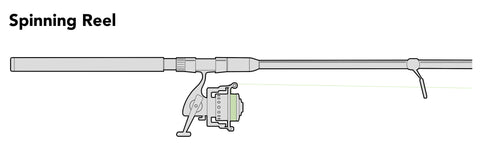
Are you ready to make your fishing trips more successful? One of the most important skills you need is knowing how to tie fishing line onto a spinning reel properly.
If your line isn’t attached right, it can slip or tangle, ruining your chances of landing that big catch. Don’t worry—this guide will show you simple, step-by-step instructions to get your line tied securely and quickly. Keep reading, and you’ll be casting with confidence in no time!

Credit: n1outdoors.com
Choosing The Right Fishing Line
Choosing the right fishing line is important for a good fishing experience. The line must fit your reel and fishing style.
Picking the right line helps you catch fish easily and keeps your gear working well.
Types Of Fishing Lines
There are three main types of fishing lines: monofilament, fluorocarbon, and braided lines. Each type has its own uses and benefits.
Monofilament is stretchy and easy to handle. Fluorocarbon is less visible underwater. Braided line is very strong and thin.
- Monofilament: good for beginners and general fishing
- Fluorocarbon: good for clear water and stealth fishing
- Braided: good for heavy cover and long casts
Line Strength And Diameter
Line strength is measured in pounds and shows how much weight the line can hold. Pick a strength that fits the fish you want to catch.
Line diameter affects how the line moves in water and fits on the reel. Thinner lines cast farther but may be less strong.
| Line Strength (lbs) | Fishing Use | Line Diameter |
|---|---|---|
| 2-6 | Small fish, panfish | Thin |
| 8-12 | Medium fish, bass | Medium |
| 14-20+ | Large fish, catfish | Thick |
Matching Line To Reel
Not all lines fit every spinning reel. Check your reel’s spool size and line capacity before choosing a line.
Using the right line size helps avoid problems like line twisting and tangling on the reel.
- Match line strength to reel capacity
- Use thinner line for smaller reels
- Thicker line is best for larger reels and heavy fishing
- Follow the reel’s recommended line weight and length

Credit: www.youtube.com
Preparing Your Spinning Reel
Preparing your spinning reel is an important step before tying fishing line. It helps your reel work smoothly and prevents problems later. This guide shows you how to get your reel ready.
Start by cleaning and checking the reel. Then open the bail to make space for the line. Finally, set up the reel so the line attaches correctly.
Cleaning And Inspecting The Reel
Clean your spinning reel to remove dirt, salt, and old grease. Check all parts for damage or wear. This keeps your reel working well and lasts longer.
- Use a soft cloth to wipe the reel body and spool.
- Inspect the bail arm for bends or cracks.
- Look at the drag knob and handle for smooth movement.
- Remove old grease if needed, then apply fresh lubricant.
Opening The Bail
The bail is the metal arm that guides the line onto the spool. Open it before tying the line. This makes it easier to thread the line through the reel.
To open the bail:
- Hold the reel firmly in one hand.
- Use your other hand to flip the bail arm up and away from the spool.
- Make sure the bail stays open while you attach the line.
Setting Up For Line Attachment
Get the reel ready for the fishing line. This helps the line tie securely and spool evenly.
| Task | Details |
|---|---|
| Position the reel | Hold it so the spool faces up and is easy to access. |
| Prepare the line | Cut a clean end of the fishing line for tying. |
| Check the drag | Set the drag knob to a medium setting to allow smooth line movement. |
Step-by-step Line Attachment
Attaching fishing line to a spinning reel is an important skill for any angler. It helps your fishing setup work smoothly and reduces the chance of line problems.
This guide shows simple steps to tie your fishing line onto a spinning reel. Follow each step carefully for the best results.
Threading The Line Through Guides
First, pull the fishing line from your spool. Pass the line through the rod’s guides starting from the tip. This keeps the line aligned and ready for the reel.
Make sure the line goes through each guide smoothly. Check for any snags or twists in the line before moving to the next step.
Tying The Arbor Knot
The arbor knot is the best knot to attach your line to the reel spool. It holds the line tightly and prevents slipping. Start by wrapping the line around the reel spool.
Next, tie an overhand knot around the standing line. Then tie another overhand knot on the tag end. Pull both knots tight to secure the line.
- Wrap line around reel spool
- Tie an overhand knot around standing line
- Tie a second overhand knot on tag end
- Pull knots tight against spool
Securing The Knot Properly
After tying the arbor knot, pull the line firmly to check the knot’s strength. The knot should not slip or loosen. Trim any extra tag end close to the knot.
Wind the line slowly onto the reel spool. Keep tension on the line to prevent loops or tangles. This ensures the line stays secure and ready for fishing.
Common Mistakes To Avoid
Tying fishing line to a spinning reel needs care. Small errors can cause line slips or breaks.
Avoid these common mistakes to keep your line secure and fishing smooth.
Loose Knots
Loose knots can easily come undone while fishing. The line may slip off the reel spool.
Always pull your knot tight and check it before use. A tight knot holds better and lasts longer.
- Make sure the knot wraps snugly around the spool
- Pull on both ends firmly to tighten
- Trim excess line close to the knot
Incorrect Line Tension
Too much tension can damage the line or reel. Too little tension leads to loose wraps.
Keep even tension when tying and spooling the line. This prevents tangles and line slips.
- Hold the line firmly but don’t stretch it
- Feed line smoothly onto the spool
- Adjust tension as needed during winding
Skipping The Test Pull
Not testing the knot may lead to surprises when fishing. A weak knot can break under pressure.
Always do a strong test pull after tying. This confirms the knot is secure and ready to fish.
- Pull hard on the line to check knot strength
- Retie if the knot slips or loosens
- Test again after trimming excess line
Tips For Line Maintenance
Keeping your fishing line in good shape helps you catch fish easily. Regular care stops problems before they start.
Here are simple tips to maintain your fishing line and spinning reel for better performance.
Regular Line Inspection
Check your line before every fishing trip. Look for cracks, frays, or weak spots that can break under pressure.
- Run the line through your fingers to feel rough areas.
- Look closely for discoloration or damage.
- Test the knots to ensure they hold tight.
- Replace any part of the line that looks worn out.
Replacing Old Line
Old fishing line loses strength and stretches too much. Change it at least once a year or sooner if damaged.
| Signs to Replace | Why Replace |
| Line feels rough or brittle | It can snap easily |
| Line has many knots | Knots weaken the line |
| Line color fades | Sunlight damages line |
| Line stretches too much | Reduces casting control |
Storing Your Reel Properly
Store your reel in a dry, cool place to keep the line strong and clean. Avoid leaving it in direct sunlight or damp areas.
- Loosen the drag to reduce pressure on the line.
- Keep the reel in a protective case or bag.
- Clean the reel and line before storing.
- Check the line monthly during storage periods.

Credit: www.youtube.com
Frequently Asked Questions
How Do I Tie Fishing Line To A Spinning Reel?
Start by threading the line through the reel’s line guide. Tie a strong knot like the Arbor knot. Tighten it securely. Trim excess line. This ensures your line is firmly attached to the reel spool for smooth casting.
What Is The Best Knot For Spinning Reel Line?
The Arbor knot is ideal for attaching line to spinning reels. It’s strong, simple, and reliable. This knot holds well under tension and prevents slippage, making it perfect for fishing with spinning reels.
How Much Line Should I Leave Before Tying?
Leave about 6 to 8 inches of line before tying the knot. This length makes it easier to form the knot without slipping. It also ensures enough line to secure the knot tightly on the reel spool.
Can I Use Any Fishing Line On A Spinning Reel?
Most spinning reels work with monofilament, fluorocarbon, or braided lines. Choose the line type based on fishing conditions and target species. Make sure the line matches the reel’s capacity and strength ratings for best results.
Conclusion
Tying fishing line onto a spinning reel is simple and fast. Follow the steps carefully for a strong knot. A secure line helps catch more fish and reduces line breaks. Practice a few times to get comfortable with the process.
Soon, you will tie your line quickly without mistakes. Enjoy your fishing trips with confidence and ease. Keep your gear ready and your knot tight. Fishing becomes more fun with the right setup. Try it today and see the difference yourself.