
Tying your fishing line onto your reel might seem tricky at first, but once you get the hang of it, it becomes second nature. If you don’t do it right, you risk losing your catch or damaging your gear.
You want your line to be secure, smooth, and ready for action the moment you cast. This guide will show you simple, step-by-step ways to tie your fishing line quickly and correctly. By the end, you’ll feel confident and prepared every time you head out to fish.
Keep reading, and you’ll master this essential skill in no time.

Credit: n1outdoors.com
Choosing The Right Line
Picking the right fishing line is important for a good catch. The line affects how well you cast and reel in fish.
Different fishing situations need different types of lines. Choose a line that fits your fishing style and reel.
Types Of Fishing Lines
There are three main types of fishing lines: monofilament, fluorocarbon, and braided. Each has its own uses and benefits.
- Monofilament:Soft, stretchy, and easy to handle. Good for beginners.
- Fluorocarbon:Almost invisible underwater. Great for clear water fishing.
- Braided:Very strong and thin. Best for heavy cover and deep water.
Line Strength And Thickness
Line strength is how much weight the line can hold before breaking. Thickness affects casting and fish detection.
- Stronger lines handle bigger fish but may be thicker.
- Thinner lines cast farther and are less visible in water.
- Match line strength to the fish you want to catch.
Matching Line To Reel
Choose a line that fits your reel’s size and type. Using the wrong line can cause problems while fishing.
- Check your reel’s recommended line weight and capacity.
- Use lighter lines on small reels for better casting.
- Heavier reels work well with stronger, thicker lines.
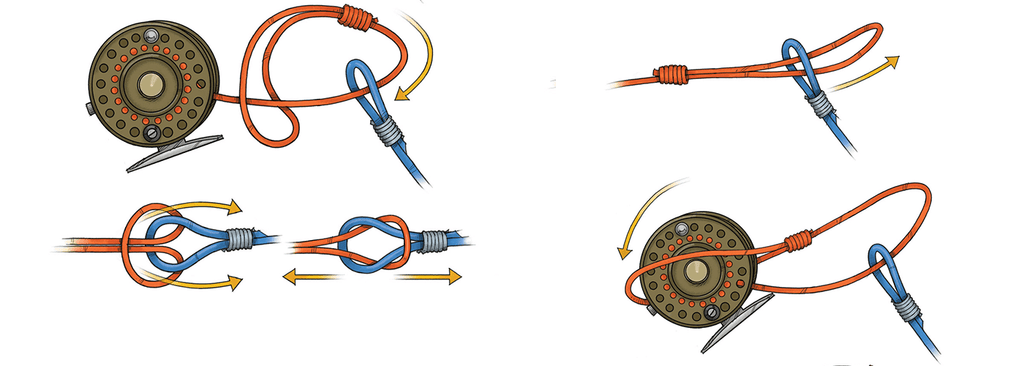
Credit: www.epicflyrods.com
Preparing The Reel
Before tying fishing line onto your reel, you need to prepare the reel properly. This ensures smooth casting and prevents line problems.
Proper preparation includes cleaning, setting the drag, and understanding spooling basics. These steps help your reel work well.
Cleaning And Inspecting
Clean your reel before adding new line. Dirt and salt can damage parts and cause problems.
Check for any damage or worn parts. Look at the spool, handle, and drag system.
- Wipe the reel with a soft cloth
- Use a small brush to remove dirt
- Inspect the spool for cracks or dents
- Check the handle for smooth movement
- Make sure the drag adjusts easily
Setting The Drag
The drag controls how much resistance a fish feels when pulling line. Set it before spooling line.
Turn the drag knob to adjust tension. It should be tight enough to stop big fish but loose enough to avoid line break.
- Turn drag knob clockwise to increase tension
- Turn drag knob counterclockwise to decrease tension
- Test drag by pulling the line by hand
- Adjust until you feel steady resistance
Spooling Basics
Spooling means winding the fishing line onto the reel spool. Do it carefully to avoid tangles and line twist.
Keep the line tight and even as you spool. Use your fingers to control the tension and guide the line.
- Attach the line to the spool with a secure knot
- Hold the line tight between fingers
- Turn the reel handle slowly to wind the line
- Fill the spool to about 1/8 inch below the rim
Tying The Line To The Reel
Attaching your fishing line to the reel spool is an important skill for every angler. It keeps your line secure and ready for casting.
This guide covers how to attach the line, common knots to use, and tips for a strong knot.
Attaching The Line To The Spool
Start by threading the line through the reel’s guide. Then wrap the line around the spool.
Hold the line tight and make sure it sits evenly on the spool to avoid tangling during casting.
Common Knots For Securing Line
- Improved Clinch Knot: Easy to tie and very strong.
- Palm Knot: Good for braided line and smooth casting.
Each knot has its own use depending on your fishing setup and line type.
Tips For A Tight Knot
| Tip | Description |
| Wet the Line | Moisten the line before tightening to reduce friction and prevent damage. |
| Pull Tight | Use steady pressure to secure the knot firmly. |
| Trim Excess | Cut the tag end close to the knot to avoid snagging. |
| Check Knot | Test the knot by pulling hard to ensure it will hold. |
Spooling The Line
Spooling fishing line onto your reel is an important task. It helps your line stay strong and ready for fishing. Proper spooling prevents problems like tangles and line breaks.
In this guide, learn key tips to spool your fishing line correctly. Focus on keeping tension, avoiding twists, and knowing how much line to spool.
Maintaining Tension
Keeping the right tension on your line during spooling is very important. Too loose, and the line may tangle. Too tight, and it can stretch or break.
- Hold the line between your fingers to keep it tight.
- Ask a friend to hold the spool with light pressure.
- Make sure the reel’s drag is set to a low level to help maintain tension.
- Wind the line slowly and evenly onto the reel spool.
Avoiding Twists And Tangles
Line twists and tangles cause problems when fishing. They reduce casting distance and can lead to knots that are hard to fix.
| Common Causes of Line Twists | How to Prevent Them |
|---|---|
| Reel spool spinning too fast | Keep steady speed while spooling |
| Line not coming off the spool correctly | Place line spool in the right direction |
| Using the wrong type of line | Choose line suited for your reel type |
| Overfilling the reel spool | Leave some space on the spool edge |
How Much Line To Spool
Spooling the correct amount of line is key. Too little line limits casting and fighting fish. Too much line can cause tangles and damage.
- Check your reel’s line capacity, usually listed on the spool or in the manual.
- Match the line strength and type to your fishing needs.
- Fill the spool to about 1/8 inch below the spool edge.
- Make sure the line is evenly layered on the spool.
Final Checks And Maintenance
After tying the fishing line onto the reel, it is important to do final checks. These checks ensure your line stays secure during fishing. Regular maintenance helps keep your gear in good shape.
Taking care of your fishing line can prevent breakage and improve your fishing experience. Simple steps can keep your line strong and ready for use.
Testing The Line Attachment
Test the knot by pulling the line firmly. Make sure it does not slip or loosen. This confirms the line is tied properly to the reel.
Check the line wraps on the spool. They should be tight and even. Loose wraps can cause tangles or line damage.
- Pull the line with steady force
- Look for any slipping or movement
- Ensure the line winds smoothly on the reel
Regular Line Inspection
Inspect your fishing line before each use. Look for cracks, frays, or discoloration. Damaged line can break easily during fishing.
Check the line near the knot and the reel spool. These areas face the most stress and wear. Replace the line if you find damage.
- Look closely for small cuts or abrasions
- Feel for rough or weak spots on the line
- Discard line that looks old or worn out
Replacing Old Line
Replace your fishing line regularly to avoid breakage. Old line loses strength from sun and water exposure. Fresh line performs better.
Remove all old line from the reel spool before adding new line. This prevents tangles and keeps your reel working well.
- Remove old line completely from the spool
- Check the reel for dirt or debris
- Attach new line using a strong knot
- Wind the new line evenly and tightly

Credit: windrider.com
Frequently Asked Questions
How Do I Tie Fishing Line Onto A Reel Properly?
Start by threading the line through the reel’s guide. Wrap the line around the spool twice. Tie a secure arbor knot, then trim the excess line. This ensures your line stays firmly attached and prevents slippage while fishing.
What Knot Is Best For Attaching Line To Reel?
The arbor knot is the most effective for attaching line to a reel. It is simple to tie and holds strong under tension. This knot secures the line directly to the spool, making it ideal for most fishing setups.
Can I Use Any Fishing Line On My Reel?
Most reels can handle various line types like monofilament, fluorocarbon, or braided lines. Check your reel’s specifications for maximum line weight and capacity. Choose a line that matches your fishing needs and reel compatibility for best performance.
How Tight Should The Fishing Line Be On The Reel?
The line should be tight enough to prevent slipping but not overly stretched. Maintain steady tension while winding the line onto the spool. Proper tension ensures smooth casting and reduces the risk of tangles or line breakage.
Conclusion
Tying your fishing line onto the reel is simple and quick. Use the right knot and check it carefully. Keep your line tight to avoid slips. Practice a few times to gain confidence. This skill helps you enjoy fishing more.
A strong connection means better catches. Take your time and stay patient. Soon, it will feel like second nature. Fishing becomes more fun with each try. Keep your gear ready and enjoy the water.