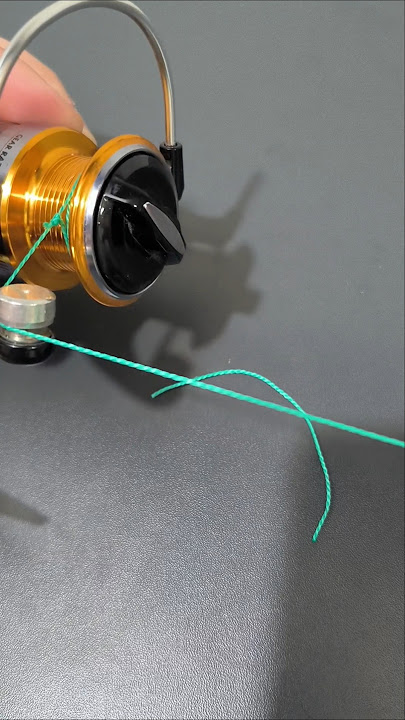
If you want to get the most out of your fishing trips, learning how to tie fishing line to a spinning reel is a skill you can’t skip. Getting this right means fewer tangles, stronger casts, and more fish on your line.
Whether you’re a beginner or just need a quick refresher, this guide will walk you through simple steps to make sure your line is secure and ready for action. Keep reading, and you’ll be tying your line like a pro in no time.
Choosing The Right Line
Choosing the right fishing line is key for a good fishing experience. The line must fit your reel and the type of fish you want to catch.
This guide covers types of fishing lines, line strength and diameter, and how to match the line to your reel.
Types Of Fishing Line
There are three main types of fishing lines: monofilament, fluorocarbon, and braided. Each type has special features for different fishing needs.
- Monofilament: Soft and easy to handle, good for beginners.
- Fluorocarbon: Almost invisible underwater and resistant to abrasion.
- Braided: Very strong and thin, best for heavy fish and deep water.
Line Strength And Diameter
Line strength is shown by its test weight, which tells how much weight it can hold before breaking. Diameter affects how the line moves through water and the reel.
| Line Strength (Test) | Diameter (inches) |
| 4-6 lbs | 0.005 – 0.008 |
| 8-12 lbs | 0.010 – 0.014 |
| 14-20 lbs | 0.016 – 0.020 |
| 25-30 lbs | 0.022 – 0.028 |
Matching Line To Reel
The reel size determines the line capacity and strength it can handle. Using the wrong line can cause problems with casting and reeling.
Use this guide to match line to your spinning reel:
- Small reels (1000-2500): Use 4-8 lbs test line.
- Medium reels (3000-4000): Use 8-15 lbs test line.
- Large reels (5000+): Use 15-30 lbs test line.

Credit: www.youtube.com
Preparing The Spinning Reel
Getting your spinning reel ready is crucial for a smooth fishing experience. Proper preparation helps prevent tangles and ensures durability.
Follow these steps to make sure your reel is in top condition before you tie the fishing line.
Cleaning The Reel
Before you begin, make sure your reel is clean. Dirt and grime can cause problems while fishing.
- Use a soft cloth to wipe the reel.
- Check for any signs of rust or damage.
- Apply a small amount of oil to moving parts.
Opening The Bail
Opening the bail correctly is important for spooling the line. Ensure the bail is in the right position to avoid line slip.
Here is a quick tip: Always hold the line while opening the bail to maintain tension.
Positioning The Reel
Positioning the reel correctly helps in easy line spooling. Align the reel with the rod to ensure the line goes on smoothly.
| Step | Action |
| 1 | Attach the reel to the rod |
| 2 | Ensure the reel is tightly secured |
| 3 | Check for balance |
Attaching The Line To The Reel
Tying your fishing line to a spinning reel is an important skill. It helps you start fishing without problems.
This guide shows how to attach the line securely to your reel. Follow each step carefully.
Creating The Arbor Knot
The arbor knot holds the line on the reel spool. It is simple and strong for fishing.
First, wrap the line around the reel’s center spool. Then tie a basic overhand knot.
- Pass the line around the spool.
- Tie an overhand knot around the standing line.
- Make sure the knot sits tight on the spool.
Securing The Knot
Pull the knot tight to secure the line to the reel. This prevents slipping while fishing.
Hold the spool and pull both ends of the line firmly. Check that the knot is snug and does not move.
- Keep tension on the line while tightening.
- Ensure the knot rests close to the spool.
- Test by pulling the line gently.
Trimming The Excess
Cut the extra line after the knot to avoid tangles. Leave a small tag for security.
Use scissors or clippers to trim close to the knot. This keeps your setup neat and safe.
- Leave about 1/8 inch of line after the knot.
- Trim excess carefully to avoid weakening the knot.
- Check that the trimmed end does not catch on anything.

Credit: windrider.com
Spooling The Line
Spooling the fishing line onto a spinning reel is an important step for a smooth fishing experience. Proper spooling helps prevent tangles and line damage.
This guide covers key points to keep in mind while spooling your line.
Maintaining Tension
Keeping the line tight as you spool is essential. Tension stops the line from wrapping loosely and causing knots.
You can maintain tension by holding the line between your fingers or using a cloth to grip it firmly. This control helps the line wind evenly on the spool.
Filling The Spool
Fill the spool to about 1/8 inch from the edge. Overfilling can cause line to spill over, while underfilling reduces casting distance.
- Start by attaching the line securely to the spool.
- Keep steady tension as you wind the line evenly.
- Stop when the spool is nearly full, leaving a small gap.
Avoiding Line Twist
Line twist causes tangles and weak spots. Use these tips to avoid it:
- Spool the line so it comes off the filler spool the same way it goes onto the reel spool.
- Open the bail by hand and let the line flow freely when casting.
- Use a swivel if you attach lures or leaders that spin.
Final Checks
After tying the fishing line to your spinning reel, it is important to do some final checks. These checks help ensure your setup is strong and ready for fishing.
Doing these steps will prevent line breaks and improve your fishing experience.
Testing The Knot Strength
Pull the line hard to test if the knot holds tight. The knot should not slip or come undone.
Try pulling the line several times with firm pressure. If the knot loosens, retie it before fishing.
- Hold the reel and pull the line firmly
- Check if the knot slips or loosens
- Retie if the knot feels weak
Adjusting The Drag
Set the drag so the line can release under pressure but not too easily. This helps avoid line breaks during a fish fight.
Turn the drag knob and test by pulling the line with your hand. Adjust until it feels firm but can still give way.
- Turn drag knob clockwise to tighten
- Turn drag knob counterclockwise to loosen
- Test drag by pulling line with your hand
Preparing For Casting
Make sure the line spools smoothly without tangles. Hold the line lightly and check for any twists or knots.
Open the bail before casting and keep a finger on the line to control the cast distance.
- Check line for twists and knots
- Open the bail before casting
- Use your finger to control line release

Credit: n1outdoors.com
Frequently Asked Questions
How Do I Tie Fishing Line To A Spinning Reel?
Start by threading the line through the reel’s bail arm. Tie an arbor knot around the spool. Pull tight and trim excess line. This secure knot prevents slipping and ensures smooth casting.
What Is The Best Knot For Spinning Reels?
The Arbor knot is best for attaching line to spinning reels. It’s simple, strong, and reliable. This knot holds the line firmly on the spool without slipping during casting or retrieval.
Can I Use Braided Line On A Spinning Reel?
Yes, braided line works well on spinning reels. It offers high strength and low stretch. Use a backing of monofilament line to prevent slipping on the spool for better performance.
How Much Line Should I Spool On A Spinning Reel?
Fill the spool about 1/8 inch below the spool lip. This prevents line overflows and tangles. Proper spooling improves casting distance and reduces line twists.
Conclusion
Tying fishing line to a spinning reel is simple and quick. Follow each step carefully for a strong knot. A good knot helps avoid losing fish or line. Practice the process a few times to gain confidence. Soon, you will prepare your reel fast and fish with ease.
Keep your gear ready and enjoy your time on the water. Fishing becomes more fun when your setup works well. Try different knots to see which one suits you best. Stay patient and keep learning.