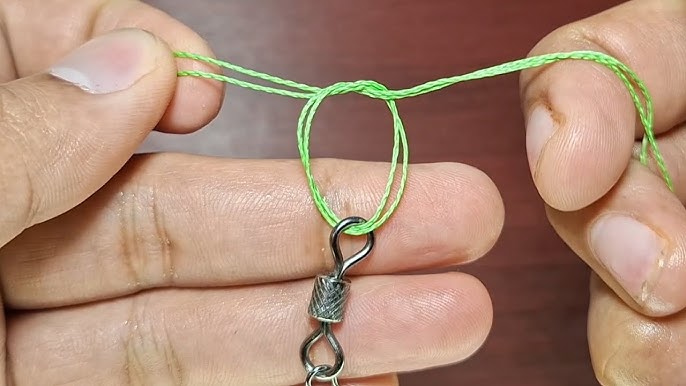
If you want your fishing setup to work smoothly, knowing how to tie fishing line to a swivel is a must. A strong, reliable knot can save you from losing your catch and keep your line from tangling.
In this guide, you’ll learn a simple step-by-step method that anyone can master quickly. Whether you’re new to fishing or just want to improve your skills, this tip will make a big difference in your success on the water. Keep reading, and you’ll be tying your line like a pro in no time.

Credit: www.youtube.com
Choosing The Right Fishing Line
Picking the right fishing line is important for tying it to a swivel. The line must be strong and fit your fishing needs. Different lines work best with different fish and waters.
This guide helps you understand the main types of fishing lines. It also explains how line strength and diameter affect your fishing setup.
Monofilament Vs. Braided Lines
Monofilament lines are made of one nylon strand. They stretch well and are easy to knot. They work well for beginners and many fishing styles.
Braided lines are made of many fibers woven tightly. They do not stretch much but are very strong. Braided lines last longer and let you feel fish bites better.
- Monofilament: stretchy, soft, easy to tie knots
- Braided: strong, thin, low stretch
- Monofilament is good for light fishing
- Braided is better for heavy fish and deep water
Line Strength And Diameter
Line strength tells how much weight the line can hold. Choose a line strong enough for the fish you want to catch. Too weak lines can break easily.
Diameter means how thick the line is. Thin lines are less visible in water. Thick lines are stronger but more visible. Balance strength and invisibility for best results.
| Line Type | Typical Strength | Typical Diameter | Use Case |
|---|---|---|---|
| Monofilament | 4 to 30 pounds | 0.10 to 0.50 mm | General fishing, beginners |
| Braided | 10 to 80 pounds | 0.06 to 0.40 mm | Heavy fish, deep water |
Types Of Swivels
Swivels are small devices used in fishing to prevent line twisting. They connect the fishing line to the lure or hook. Different types of swivels suit different fishing needs.
Understanding the types helps you pick the right one for your fishing style and target fish.
Barrel Swivels
Barrel swivels have a simple barrel shape. They are the most common swivels used by anglers. Their smooth rotation reduces line twist during casting and retrieval.
Barrel swivels are strong and reliable. They work well for light to medium fishing setups.
Ball Bearing Swivels
Ball bearing swivels have small ball bearings inside. These bearings allow the swivel to turn very smoothly and freely. They reduce line twist better than barrel swivels.
- Ideal for heavy fishing lines and large fish
- More expensive than barrel swivels
- Less likely to jam or freeze
- Provides smoother lure action
Snap Swivels
Snap swivels combine a swivel with a clip or snap. This allows quick changing of lures or leaders without retying the line. They save time and effort while fishing.
| Feature | Benefit |
|---|---|
| Built-in snap | Fast lure changes |
| Swivel function | Prevents line twist |
| Variety of sizes | Fits many fishing needs |
| Moderate strength | Good for general fishing |
Preparing The Line And Swivel
Tying fishing line to a swivel starts with good preparation. Proper prep helps the knot hold strong and last longer.
Before tying, you need to prepare both the fishing line and the swivel carefully. This makes the process easier and more reliable.
Trimming The Line End
Cut the end of the fishing line cleanly before tying it to the swivel. A sharp cut helps the knot hold better.
Use scissors or a line cutter to trim the line end. Make sure there are no frayed or rough edges.
- Use sharp scissors or a line cutter
- Cut the line end straight and clean
- Avoid jagged or frayed edges
Moistening The Line
Before tightening the knot, moisten the line end. Moistening reduces friction and protects the line from damage.
Use water or saliva to wet the line. This helps the knot tighten smoothly and keeps it strong.
- Wet the line end with water or saliva
- Moistening prevents heat and friction
- Helps the knot tighten without breaking
Credit: www.beadinggem.com
Step-by-step Knot Techniques
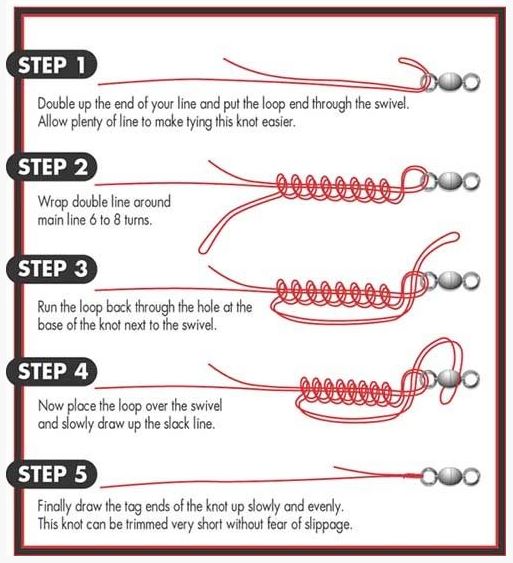
Tying a fishing line to a swivel is important for strong, reliable fishing. Different knots work best for different situations.
Here are simple steps for three popular knots that help secure your fishing line to a swivel.
Improved Clinch Knot
The Improved Clinch Knot is easy and works well with monofilament lines. It holds tight and is good for many fishing styles.
- Thread the line through the swivel eye.
- Wrap the tag end around the standing line 5-7 times.
- Pass the tag end through the small loop near the swivel eye.
- Then pass it back through the big loop you just made.
- Moisten the knot and pull the tag end and standing line tight.
- Trim the excess tag end close to the knot.
Palomar Knot
The Palomar Knot is very strong and easy to tie. It works great with braided and monofilament lines and keeps good knot strength.
- Double about 6 inches of line and pass the loop through the swivel eye.
- Tie a loose overhand knot with the doubled line.
- Pass the swivel through the loop at the end of the overhand knot.
- Hold the swivel and pull the tag end to tighten the knot.
- Moisten the knot before fully tightening.
- Cut the tag end close to the knot.
Uni Knot
The Uni Knot is versatile and easy to learn. It works well with all types of lines and is good for securing to a swivel.
- Pass the line through the swivel eye and double back parallel to the standing line.
- Make a loop by laying the tag end over the doubled line.
- Wrap the tag end around the doubled line and through the loop 5-6 times.
- Moisten the knot and pull the tag end to tighten coils.
- Slide the knot down to the swivel and pull the standing line to secure it.
- Trim the tag end close to the knot.
Testing Knot Strength
After tying the fishing line to a swivel, test the knot strength. This helps make sure the knot holds well.
Testing prevents losing your catch because of a weak knot. It is important for safe fishing.
Pulling Techniques
Use slow and steady pulls on the line to test the knot. Avoid sudden jerks that can cause breakage.
Pull from different angles to check if the knot stays tight. This simulates real fishing conditions.
- Hold the swivel firmly in one hand
- Pull the line slowly with the other hand
- Try pulling at a 45-degree angle
- Repeat the pull several times
Signs Of Weakness
Look for slipping or loosening of the knot. This means the knot may not hold under pressure.
Check for frayed or damaged line near the knot. Damage reduces the strength of the knot.
- Knot moves or slides on the swivel
- Line fibers look worn or cut
- Knot feels loose after pulling
- Line breaks near the knot during testing

Credit: www.youtube.com
Common Mistakes To Avoid
Tying a fishing line to a swivel seems simple. Yet, many anglers make errors that weaken the knot.
Knowing what to avoid helps your knot hold strong and keeps fish on the line.
Overtightening The Knot
Pulling the knot too tight can damage the line. It creates weak spots that break easily.
Apply firm but gentle pressure when tightening. Let the knot snug up naturally without forcing it.
Using Damaged Line
Old or frayed fishing line reduces knot strength. It can snap under tension.
- Check the line for cuts or abrasions before tying.
- Replace line that looks worn or faded.
- Store line away from sunlight and moisture.
Skipping Moistening Step
Not wetting the line before tightening causes friction. This can burn the fibers and weaken the knot.
Follow this simple table to see why moistening matters:
| Without Moistening | With Moistening |
|---|---|
| Friction heats the line | Friction is reduced |
| Line fibers get damaged | Fibers stay intact |
| Knot strength lowers | Knot holds firm |
Maintaining Your Knots
Tying fishing line to a swivel is easy, but keeping knots strong is key. Strong knots help prevent losing fish or gear.
Regular care helps your knots last longer and work better. Check your knots often to keep them in good shape.
Regular Inspections
Look closely at your knots before and after each fishing trip. Check for signs of wear like fraying or slipping.
Run your fingers over the knot to feel if it is tight and secure. A loose knot can fail when you catch a fish.
- Look for worn or broken fibers
- Check if the knot moves or loosens
- Make sure the knot sits tight against the swivel
Replacing Worn Knots
Change your knot if it shows any damage. A weak knot can snap and cause you to lose your catch.
Cut the old knot off and tie a new one carefully. Use the same knot type or try a stronger knot for better hold.
- Cut the fishing line close to the old knot
- Moisten the line before tying the new knot
- Tighten the knot firmly but gently
- Trim excess line to avoid snagging
Frequently Asked Questions
What Is The Best Knot For A Swivel?
The best knot for attaching a swivel is the Improved Clinch Knot. This knot is reliable and strong. It ensures that your line remains securely attached. It’s easy to tie and works well with various fishing lines. Practice makes perfect, so try it a few times.
Why Use A Swivel With Fishing Line?
A swivel prevents line twist, which can weaken your setup. It allows your bait to move freely and naturally. This can attract more fish. Swivels are crucial for trolling and when using lures. They help in maintaining line strength and efficiency.
How Do You Start Tying A Fishing Line?
To start, thread the line through the swivel eye. Leave enough line on the tag end. This will help in tying the knot. Maintain tension as you proceed to tie your chosen knot. Starting correctly ensures a strong connection.
Can Any Fishing Line Be Used With A Swivel?
Yes, most fishing lines work with swivels. Monofilament, fluorocarbon, and braided lines are commonly used. Ensure the line matches your fishing needs and conditions. Each type has its own benefits and characteristics. Choose based on the fish species and water environment.
Conclusion
Tying a fishing line to a swivel is simple with practice. Use the right knot and pull it tight every time. This keeps your line strong and your catch secure. Try different knots to find what works best for you.
Remember, a good tie helps you fish with confidence. Keep practicing, and soon it will feel natural. Fishing becomes more fun when your gear works well. Stay patient and enjoy your time by the water.