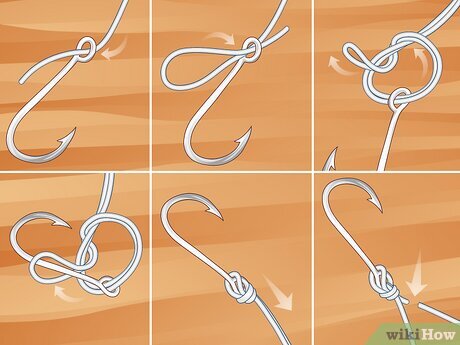
Are you ready to make your fishing trips more successful? One of the most important skills you need is knowing how to tie your fishing line to the reel correctly.
If this step is done wrong, you could lose fish, time, and even your gear. But don’t worry—once you learn the simple, reliable way to tie your line, you’ll cast with confidence every time. Keep reading, and I’ll show you easy-to-follow steps that will make your fishing experience smoother and more enjoyable.
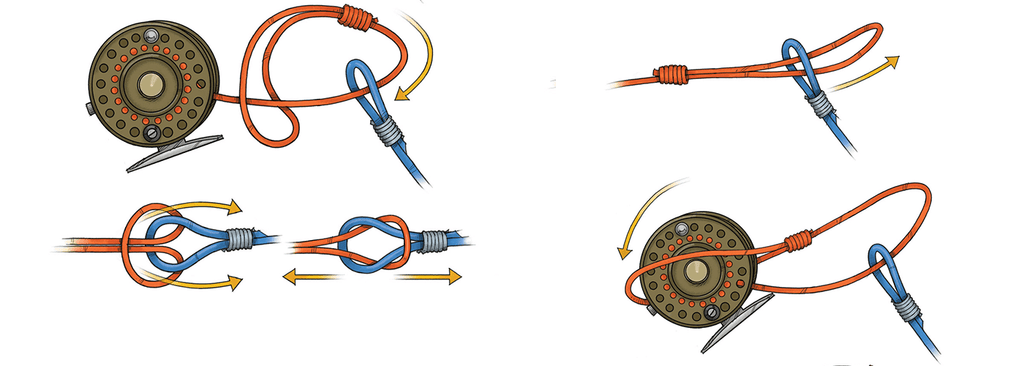
Credit: www.epicflyrods.com
Choosing The Right Fishing Line
Choosing the right fishing line is important for a good fishing experience. The line must match the type of fish and reel you use.
Picking the right line helps you catch fish without breaking or tangling. Learn about types, strength, and reel fit.
Types Of Fishing Lines
There are three main types of fishing lines: monofilament, fluorocarbon, and braided. Each type has its own uses and features.
- Monofilament:A single strand, easy to handle and stretch.
- Fluorocarbon:Nearly invisible underwater and resistant to abrasion.
- Braided:Made of woven fibers, very strong and thin.
Choose the type based on fishing conditions and the fish you want to catch.
Selecting Line Strength
Line strength is measured by its pound test. This shows how much weight the line can hold before breaking.
Use a stronger line for bigger fish. A lighter line works well for smaller fish and clear water.
- Light strength: 2-6 pounds, good for small fish
- Medium strength: 8-15 pounds, fits most fishing needs
- Heavy strength: 20+ pounds, for large or strong fish
Considering Reel Compatibility
Your fishing line must match your reel type. Some reels work better with certain lines.
Spinning reels use lighter lines that flow smoothly. Baitcasting reels handle heavier, stronger lines.
- Spinning reels: Best with monofilament or light braided lines
- Baitcasting reels: Use heavy braided or fluorocarbon lines
- Spincast reels: Usually work with monofilament lines

Credit: n1outdoors.com
Preparing The Reel
Before tying your fishing line to the reel, you need to prepare it properly. This ensures smooth casting and prevents line damage.
Start by checking the reel condition and making sure all parts work well. Cleaning and opening the reel are important steps.
Cleaning The Spool
Remove old fishing line and dirt from the spool. A clean spool helps the line wind evenly and avoids tangles.
- Take off the spool from the reel.
- Use a soft cloth to wipe off dirt and dust.
- Apply a small amount of reel oil to keep it smooth.
- Dry the spool completely before reattaching it.
Checking The Reel Mechanism
Inspect the reel’s moving parts to ensure they work correctly. A well-functioning mechanism helps you control the line better.
| Part | What to Check | Action if Needed |
| Handle | Turns smoothly without noise | Lubricate or tighten screws |
| Drag System | Adjusts line tension easily | Clean and adjust drag washers |
| Gear | Engages without slipping | Apply grease or replace if worn |
Opening The Bail Arm
Open the bail arm to prepare for attaching the line. This lets you thread the line onto the spool correctly.
Follow these simple steps:
- Locate the bail arm on the reel.
- Flip the bail arm up or away from the spool.
- Ensure it stays open while you tie the line.
- Close the bail arm after the line is secure.
Attaching The Line To The Reel
Attaching your fishing line to the reel is the first step in preparing your fishing gear. A secure connection keeps the line from slipping during casting and reeling.
This guide explains how to tie the line to the reel, focusing on making a strong knot and keeping it tight.
Creating A Secure Knot
Start by threading the line through the reel spool hole. Wrap the line around the spool once or twice. Tie a firm knot that will not loosen easily.
Pull the knot tight while holding the line and spool steady. Trim any extra line close to the knot to avoid tangling.
Common Knots For Attachment
- Arbor Knot: Simple and quick for most reels.
- Buntline Hitch: Strong and reliable under tension.
- Improved Clinch Knot: Common for lines with smaller diameter.
- Palomar Knot: Very strong and easy to tie.
Ensuring Tightness And Security
| Tip | Why It Matters |
|---|---|
| Moisten the line before tightening | Reduces friction and prevents line damage |
| Pull knots slowly and firmly | Ensures the knot tightens properly |
| Test knot by tugging hard | Confirms the knot will hold under pressure |
| Trim excess line close to knot | Prevents snags and tangles |

Credit: windrider.com
Spooling The Line
Spooling the fishing line onto your reel is important for smooth casting and retrieval. It takes care to set the line correctly before you start fishing.
This guide covers key points about spooling: keeping tension, avoiding twists, and filling the spool right.
Maintaining Proper Tension
Keep firm but gentle tension on the line as you spool it. Too loose and the line will tangle. Too tight and it might break.
- Use your fingers or a cloth to hold the line tight.
- Ask someone to hold the spool with slight pressure.
- Make sure the line feeds evenly onto the reel.
Avoiding Line Twists
Line twists cause knots and reduce casting distance. Prevent twists by checking how the line comes off the spool.
| Cause | Solution |
| Line spool spins freely | Hold spool to stop spinning while spooling |
| Reel direction opposite to spool | Flip the spool or reel to match line flow |
| Loose loops on reel | Keep line tight during spooling |
Filling The Spool Correctly
Fill the spool evenly and avoid overfilling. Too much line causes tangles; too little reduces casting.
- Leave about 1/8 inch of space from the spool edge.
- Make sure the line lays flat and tight in layers.
- Check often to avoid lumps or gaps.
Final Checks And Tips
After tying the fishing line to the reel, it is important to do some final checks. These steps ensure the line is secure and ready for fishing.
Taking time for these checks helps prevent problems while fishing. It also keeps your gear in good shape.
Trimming Excess Line
Cut off the extra fishing line close to the knot. Leaving too much line can cause tangles.
Use sharp scissors or a line cutter for a clean cut. Avoid pulling the line after cutting.
Testing The Setup
Pull on the line gently to test the knot. The line should not slip or loosen.
- Check the reel for smooth line release.
- Rewind the line slowly to confirm it holds well.
- Look for any weak spots near the knot.
If you notice any issues, retie the line before fishing.
Preventing Future Line Problems
Keep the fishing line clean and dry to avoid damage. Dirt and water can weaken the line over time.
- Store your reel in a cool, dry place.
- Check your line regularly for signs of wear.
- Replace the line if you see frays or cracks.
- Use the right knot for your fishing style.
Taking care of your fishing line helps you fish longer without problems.
Frequently Asked Questions
How To Start Tying Fishing Line To Reel?
Begin by opening the reel bail. Thread the line through the rod guides. Wrap the line around the reel spool twice. Secure it with an overhand knot. Trim any excess line for a neat finish.
What Knot Is Best For Reel Attachment?
The Arbor Knot is ideal for attaching line to a reel. It provides a secure hold. Begin with an overhand knot around the main line. Finish with another overhand knot against the spool.
Why Is Proper Line Tension Important?
Proper tension prevents line tangles and ensures smooth casting. It also helps maintain control during retrieval. Tighten the line by reeling it in slowly with slight pressure.
Can I Use Braided Line On Any Reel?
Yes, braided line is suitable for most reels. It offers strength and durability. Use a monofilament backing to prevent slippage. Ensure your reel is designed to handle braided line.
Conclusion
Tying your fishing line to the reel is simple and important. A good knot keeps the line strong and secure. Practice a few times to feel confident. Choose the right knot for your fishing style. Always check the knot before you start fishing.
This small step helps avoid lost fish or broken lines. With patience, your line will stay tight and ready. Enjoy your time fishing with a properly tied line. Small efforts make a big difference on the water.