If you want to catch more fish, mastering how to tie fishing lure knots is a game-changer. Your knot is the connection between you and the fish, so it needs to be strong and reliable.
Imagine losing a big catch just because your knot slipped or broke—that’s frustrating, right? You’ll learn simple, step-by-step techniques to tie knots that hold tight every time. By the end, you’ll feel confident and ready to fish like a pro.
Keep reading, and make sure your next fishing trip is your best one yet!
Credit: medium.com
Choosing The Right Knot
Choosing the right knot is important for fishing success. A strong knot keeps your lure secure and helps catch fish.
Different knots suit different fishing lines and lures. Learn about common knots to pick the best one for your needs.
Types Of Fishing Lure Knots
Many knots work well for tying fishing lures. The most popular include the Improved Clinch Knot, Palomar Knot, and Loop Knot.
- Improved Clinch Knot:Easy to tie and good for light to medium lines.
- Palomar Knot:Very strong and works with braided lines.
- Loop Knot:Allows lure to move freely for better action.
Knot Strength And Durability
Choose knots that hold well under pressure and do not slip. Strength depends on the knot and the fishing line used.
| Knot | Strength (% of Line) | Durability |
| Improved Clinch | 85-90% | Good for most conditions |
| Palomar | 95-100% | Very durable, resists slipping |
| Loop Knot | 70-80% | Moderate, allows lure action |
Matching Knots To Lure Types
Different lures need different knot types for best action and strength. Match your knot to the lure style.
- Spinnerbaits and Crankbaits: Use loop knots for natural movement.
- Soft Plastics: Palomar knots keep the lure secure.
- Topwater Lures: Improved Clinch knots work well and are easy to tie.
Credit: www.youtube.com
Preparing The Line And Lure
Tying a fishing lure knot starts with good preparation of your line and lure. Proper care helps the knot hold well and last longer.
Take time to select the right line and prepare it carefully. This ensures your lure performs its best in the water.
Selecting The Proper Line
Choose a line that matches the type of fish and lure you will use. Different lines offer different strengths and flexibility.
- Monofilament lines are flexible and easy to handle.
- Fluorocarbon lines resist water visibility and abrasion.
- Braid lines offer high strength and low stretch.
- Check the test strength to match your fishing needs.
Trimming And Moistening The Line
Trim the line end cleanly before tying. A neat cut helps the knot form tightly and prevents slipping.
| Action | Reason |
| Cut line end with sharp scissors | Creates a smooth edge for knot tying |
| Moisten line before tightening knot | Reduces friction and protects line strength |
| Remove any frayed fibers | Prevents weak spots in the knot |
Step-by-step Knot Tying Methods
Learning to tie fishing knots is essential for any angler. Good knots secure your lures and keep your catches safe.
This guide will teach you four popular knots: Improved Clinch, Palomar, Loop, and Uni Knot. Each knot has its own uses and benefits.
Improved Clinch Knot
The Improved Clinch Knot is popular for securing fishing lines to a hook. It is reliable and easy to learn.
- Thread the line through the hook eye and wrap it around the line 5-7 times.
- Pass the end of the line through the loop near the eye.
- Bring the line back through the big loop.
- Moisten the line and pull tight.
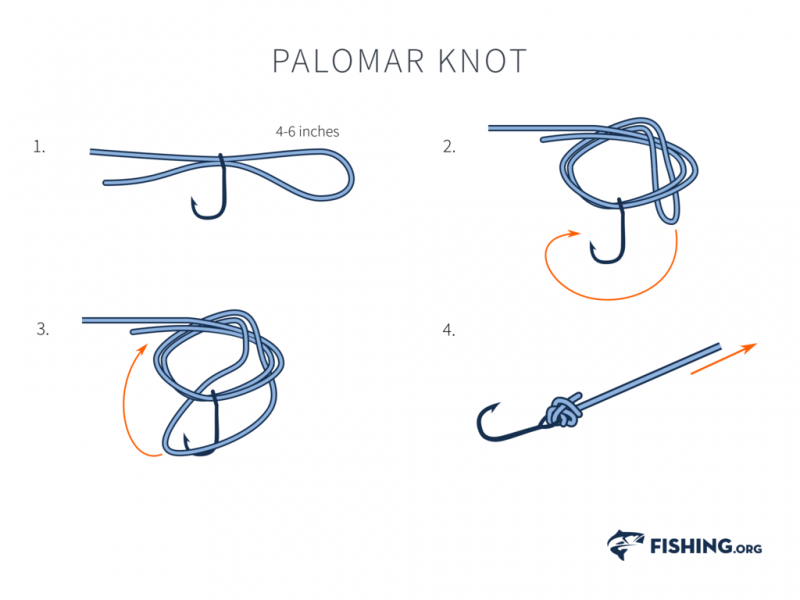
Palomar Knot
The Palomar Knot is simple and strong, perfect for braided lines. It maintains high line strength.
1. Double 6 inches of line and pass it through the hook eye.
2. Tie a loose overhand knot with the doubled line.
3. Pass the hook through the loop.
4. Moisten and pull both ends to tighten.
Loop Knot
The Loop Knot allows lures to move freely, increasing their action in the water. It is great for topwater lures.
| Step | Action |
| 1 | Make an overhand knot 6 inches above the lure. |
| 2 | Pass the end through the lure eye. |
| 3 | Bring the end back through the overhand knot. |
| 4 | Wrap the end around the line and back through the loop. |
| 5 | Moisten and pull to tighten. |
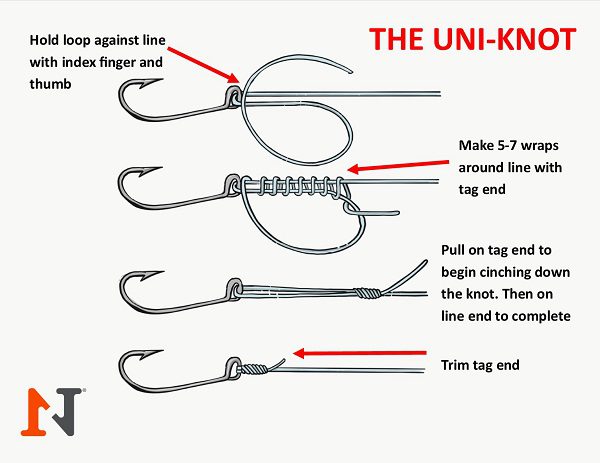
Uni Knot
The Uni Knot is versatile and can be used for tying hooks, swivels, and lures. It is easy to tie and very strong.
- Pass the line through the hook eye and double back alongside the line.
- Create a loop by laying the tag end over the doubled lines.
- Make 4-6 turns with the tag end around the double line and through the loop.
- Moisten the knot and pull the standing line to tighten.
Tips For Securing Strong Holds
Tying fishing lure knots correctly is key to keeping your catch secure. Strong knots help prevent losing fish during the fight.
Use careful techniques to make sure your knots hold tight. This guide covers ways to check and test your knots for strength.
Checking Knot Tightness
Always check your knot tightness before fishing. A knot that is loose can slip and cause you to lose your lure or fish.
- Pull the knot firmly with your fingers to feel for tightness.
- Look for any gaps or loops that may slip under pressure.
- Moisten the knot before pulling to avoid friction damage.
- Ensure the knot sits snugly against the lure eye or hook eye.
Avoiding Common Mistakes
Many anglers make simple errors that weaken knots. Avoid these to keep your line strong.
| Mistake | Effect |
| Not wetting the line | Friction can weaken the line and knot |
| Using too few wraps | Knot can slip or come undone easily |
| Not tightening slowly | Line may twist or knot may not set properly |
| Cutting tag ends too short | Loose ends may slip free |
Testing The Knot Before Casting
Testing your knot before you cast helps avoid losing fish. Try these simple checks.
- Pull hard on the lure to simulate a fish strike.
- Check if the knot slips or loosens under pressure.
- Re-tie if you see any weakness or damage.
- Practice tying the knot multiple times for confidence.
Maintaining And Replacing Knots
Tying fishing lure knots is just the start. You must keep knots strong and replace them when needed.
Good knot care stops lost fish and broken lines. Check knots often to stay ready on the water.
When To Retie Knots
Retie knots after any strong catch or heavy snag. Knots can weaken or slip without clear signs.
- After catching a big fish
- When you feel the line slip
- If knots look loose or uneven
- When switching lures or lines
- After long fishing sessions
Inspecting For Wear And Tear
Check knots carefully before each use. Look for damage that can cause failure.
| Signs of Wear | What to Check |
| Frayed Line | Look for small cuts or fuzz on the line near the knot |
| Discoloration | Check if the line color fades or darkens |
| Slipping | Pull gently to see if the knot moves or loosens |
| Hard Knots | Feel if the knot is stiff or brittle, which weakens it |
| Uneven Wraps | Look for messy or uneven wraps inside the knot |

Credit: thebearessentials.com
Frequently Asked Questions
What Is The Best Knot For Fishing Lures?
The improved clinch knot is widely regarded as the best for fishing lures. It offers strong, reliable holding power and is easy to tie. This knot securely attaches the lure to the fishing line, ensuring it doesn’t slip or come loose during casting or retrieval.
How Do You Tie A Fishing Lure Knot Step-by-step?
Start by threading the line through the lure eye. Wrap the tag end around the main line 5-7 times. Pass the tag end through the loop near the lure eye. Tighten the knot by pulling both ends. Trim excess tag end for a clean finish.
Can I Use Braided Line With Fishing Lure Knots?
Yes, many fishing lure knots work well with braided lines. The Palomar knot is ideal for braided line because it maintains strength and resists slipping. Always moisten the knot before tightening to reduce friction and avoid line damage.
Why Is Knot Strength Important For Fishing Lures?
Knot strength ensures the lure stays attached under pressure. A weak knot can break when casting or fighting fish, causing lost lures and missed catches. Strong knots improve confidence, letting you focus on fishing without worrying about knot failure.
Conclusion
Tying fishing lure knots takes practice and patience. Choose the right knot for your lure and line type. Make sure each knot is tight and neat. A good knot keeps your lure secure while fishing. Try different knots to see which works best for you.
Simple steps lead to better fishing results. Keep practicing to improve your knot-tying skills. Enjoy your time on the water with confidence. Fishing becomes easier with strong, reliable knots.