If you want to catch more fish, knowing how to tie fishing lures correctly is a game-changer. Your knot can make the difference between landing a big catch or losing it at the last moment.
This guide will show you simple, reliable ways to tie your lures so they stay secure and work their best. By mastering these techniques, you’ll feel more confident and ready for your next fishing trip. Keep reading, and you’ll learn how to make every cast count.
Choosing The Right Knot
Tying fishing lures requires the right knot for strength and security. The knot keeps your lure attached and helps catch fish.
Choosing the right knot depends on the type of lure and fishing conditions. A good knot prevents the line from slipping or breaking.
Common Knots For Fishing Lures
Some knots work better with certain lures and lines. Learning common knots helps you pick the best one quickly.
- Improved Clinch Knot – Strong and easy to tie, good for most lures.
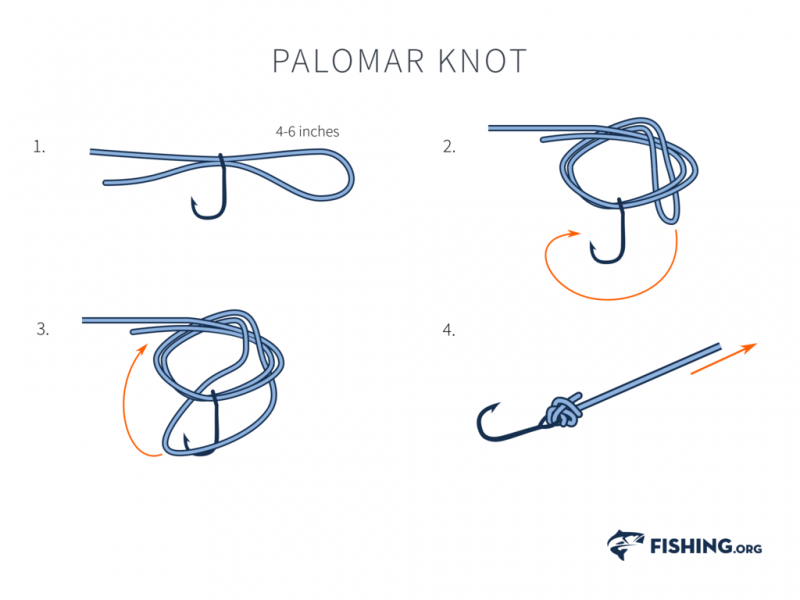
- Palomar Knot – Very strong and simple, works well with braided line.
- Loop Knot – Allows lure to move freely, good for natural action.
- Duncan Loop – Creates a big loop for more lure movement.
Factors Influencing Knot Choice
The choice of knot depends on the fishing line type and lure style. Different knots hold better under different conditions.
Water conditions and fish size also affect knot choice. Stronger knots work better for bigger fish and rough waters.
- Line Type: Braided, monofilament, or fluorocarbon require different knots.
- Lure Weight: Heavy lures need knots that hold under pressure.
- Movement: Some knots allow more lure action in the water.
- Fish Size: Larger fish need stronger, more secure knots.
- Water Conditions: Rough water needs knots that resist slipping.

Credit: www.youtube.com
Preparing Your Line And Lure
Tying fishing lures properly starts with preparing your line and lure. This ensures a secure connection and better lure action in the water.
Taking time to handle your fishing line carefully can prevent breaks and improve your chances of catching fish.
Trimming And Handling The Line
Trim your fishing line neatly to avoid frays. A clean cut helps the knot hold better and reduces the chance of slippage.
- Use sharp scissors or a line clipper for a clean cut
- Remove any damaged or weakened sections of the line
- Keep the line dry and untangled before tying
- Handle the line gently to avoid creating weak spots
Attaching The Lure Properly
Attach the lure securely to avoid losing it during casting or fighting fish. Use a strong knot that suits your line type.
| Knot Type | Best For | Notes |
| Improved Clinch Knot | Monofilament and Fluorocarbon | Simple and strong for most lures |
| Palomar Knot | Braided Line | Holds well and easy to tie |
| Loop Knot | All Lines | Allows lure more movement |
Step-by-step Knot Tying
Tying fishing lures properly increases your chances of a successful catch. Different knots work best for different situations.
Let’s explore three popular knots and learn how to tie them easily.
Improved Clinch Knot
The Improved Clinch Knot is reliable and often used for securing a fishing line to a hook.
- Thread the line through the eye of the hook.
- Wrap the line around itself five times.
- Pass the end of the line through the first loop.
- Pull it back through the big loop.
- Moisten the knot and pull it tight.
Palomar Knot
The Palomar Knot is strong and easy to tie, suitable for braided fishing lines.
Begin by doubling about six inches of line. Pass the loop through the hook’s eye.
Loop Knot
The Loop Knot allows lures to move freely, enhancing their action in the water.
| Step | Action |
| 1 | Make an overhand knot in the line. |
| 2 | Pass the line through the hook eye. |
| 3 | Thread the line back through the overhand knot. |
| 4 | Tighten the knot and trim excess line. |

Credit: www.youtube.com
Tips For Stronger Knots
Tying fishing lures properly keeps them secure during your catch. Strong knots prevent losing fish and gear. These tips help you tie knots that hold tight.
Focus on moistening the line, using good tightening methods, and testing the knot strength. Each step adds to a reliable, long-lasting knot.
Moistening The Line
Before tightening your knot, wet the fishing line with water or saliva. Moistening reduces friction and heat from pulling.
- Use clean water or saliva to moisten the line.
- Apply moisture evenly along the knot area.
- Avoid using oils or lotions as they weaken the line.
- Wet the line every time you tighten the knot.
Tightening Techniques
Tighten knots slowly and evenly. Use steady pressure to avoid weak spots or slippage. Pull both ends to secure the knot firmly.
| Technique | How to Do It |
| Slow Pull | Pull the line gently and steadily to tighten the knot. |
| Even Pressure | Pull on both ends to keep the knot balanced. |
| Check Alignment | Make sure the knot coils do not overlap incorrectly. |
| Final Tighten | Give a firm last pull to secure the knot fully. |
Testing Knot Strength
After tying, test your knot to confirm it holds well. Apply firm pressure and watch for any slipping or loosening.
- Hold the lure and line firmly.
- Pull the line with increasing force.
- Observe if the knot slips or loosens.
- Retie if the knot fails under pressure.
- Repeat the test until the knot stays secure.
Common Mistakes To Avoid
Tying fishing lures correctly helps catch more fish. Avoiding common mistakes makes your knots stronger.
Learn the errors that reduce your chances of success. Fixing these will improve your fishing experience.
Overlapping Lines
Overlapping lines cause weak knots and slipping. Make sure your line does not cross over itself when tying.
Keep the line straight and avoid twists. Twisted or overlapping lines reduce knot strength and can break easily.
- Check the line before wrapping
- Keep wraps neat and parallel
- Do not allow line to cross itself
Insufficient Wraps
Not wrapping the line enough makes knots weak. Use enough wraps to secure the lure tightly.
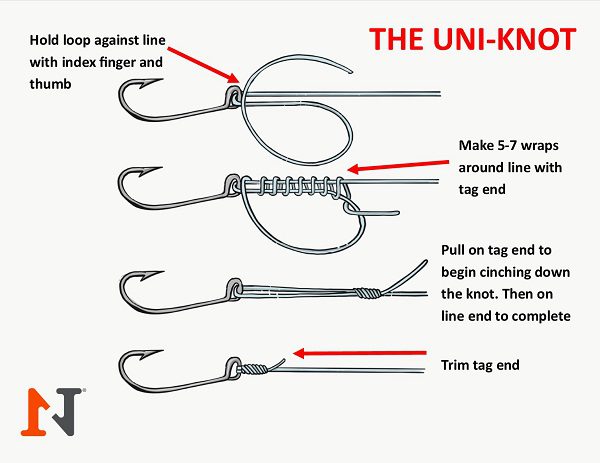
More wraps increase friction and knot strength. Usually, five to seven wraps work well for most lines.
- Count your wraps carefully
- Use at least five wraps
- Add more wraps for slippery lines
Ignoring Knot Wear
Knots wear out after use and can break unexpectedly. Check knots often for wear or damage.
Replace knots that look frayed or weak. Regular inspection keeps your tackle strong and reliable.
- Look for frayed or damaged line
- Retie knots after heavy use
- Inspect knots before every fishing trip
Credit: medium.com
Maintaining Your Knots
Keeping your fishing knots strong is important for a good catch. Knots can weaken over time or after use.
Regular care helps avoid losing fish and gear. Check knots often to keep them reliable.
Regular Inspections
Look closely at your knots before and after fishing. Watch for any signs of wear or damage.
- Check for frayed lines around the knot
- Feel if the knot slips or loosens
- Look for any discoloration or stiffness
- Make sure the knot is tight and neat
When To Retie
Knowing when to retie can save your fishing trip. Retie knots after heavy use or if you see damage.
| Condition | Action |
| Line frays near knot | Retie immediately |
| Knot slips or loosens | Retie before casting |
| After catching a big fish | Retie to ensure strength |
| Line has been in sun or water long | Inspect and retie if weak |
Frequently Asked Questions
How Do I Tie A Fishing Lure Properly?
To tie a fishing lure properly, use a strong knot like the improved clinch knot. Thread the line through the lure eye, wrap it around five times, then pass the tag end through the loop. Tighten firmly to ensure the lure stays secure.
What Is The Best Knot For Fishing Lures?
The improved clinch knot and Palomar knot are best for fishing lures. Both knots offer high strength and reliability. They keep the lure attached securely, minimizing the chance of losing fish during a catch.
How Can I Prevent My Lure From Slipping?
To prevent lure slippage, wet the line before tightening the knot. This reduces friction and helps the knot cinch down smoothly. Also, trim excess tag ends close to the knot for a neat, strong connection.
Should I Use Braided Or Monofilament Line For Lures?
Braided line offers higher strength and sensitivity, ideal for heavy lures. Monofilament is more stretchable and forgiving, great for light lures. Choose based on lure type and fishing conditions for best performance.
Conclusion
Tying fishing lures well helps catch more fish. Practice each knot slowly and carefully. Choose the right knot for your lure type. Strong knots keep your lure secure in water. Try different knots to see what works best. Keep your line tight while tying.
Soon, tying lures will feel easy and natural. Enjoy fishing more with confident, strong knots. Remember, simple steps make fishing more fun.