If you want to catch more fish, knowing how to tie your hook to your fishing line is a skill you can’t overlook. A strong, secure knot can make the difference between landing a big catch or losing it at the last second.
But if you’ve ever struggled with tangled lines or slipping hooks, you’re not alone. You’ll discover simple, step-by-step methods to tie your hook quickly and reliably. By the time you finish reading, you’ll feel confident and ready to improve your fishing game every time you cast.
Keep reading to learn the secrets that will keep your hook tight and your catch secure.
Choosing The Right Knot
Tying a hook to your fishing line needs the right knot. The correct knot keeps your hook secure.
Some knots work better for beginners, others for strength or line type. Choose wisely for best results.
Knots For Beginners
Simple knots are easy to learn and tie. They hold well for most fishing situations.
Try these if you are new to fishing or want a quick tie.
- Improved Clinch Knot
- Palomar Knot
- Loop Knot
Knots For Strength
Strong knots keep your hook attached under pressure. They reduce the chance of losing fish.
Use these knots for heavy lines or big fish.
- Palomar Knot
- Uni Knot
- Snell Knot
Knots For Different Line Types
Different lines need different knots. Some knots work better for certain materials.
Choose knots that fit your line type to avoid slipping or breaking.
| Line Type | Best Knot |
|---|---|
| Monofilament | Improved Clinch Knot |
| Fluorocarbon | Palomar Knot |
| Braid | Uni Knot |

Credit: n1outdoors.com
Preparing The Line And Hook
Getting ready to tie a hook to your fishing line is a key skill for anglers. It ensures that your fishing experience is smooth and successful.
Proper preparation of the line and hook can make a big difference in your fishing results. Let’s dive into the steps needed to prepare both effectively.
Selecting The Hook Size
Choosing the right hook size is crucial for the type of fish you are targeting. The size affects how well the hook will hold onto the fish.
- Small hooks are great for tiny fish like sunfish.
- Medium hooks work well for bass or trout.
- Large hooks are suited for bigger fish such as catfish.
Cutting The Line Properly
Cutting your fishing line correctly is important to ensure it does not fray. This helps maintain strength and reliability when you reel in your catch.
Moistening The Line
Before tying your knot, wetting the line can help prevent damage. It also makes the knot tighter and more secure.
| Step | Action |
| 1 | Dip the line in water |
| 2 | Gently pull the knot tight |
| 3 | Check for any weak spots |
Step-by-step Knot Tying
Tying a hook to a fishing line is important for a strong connection. Using the right knot keeps your hook secure.
Here are simple steps for three common fishing knots. Follow each step carefully to tie a strong knot.
Basic Improved Clinch Knot
This knot works well for most fishing lines. It is strong and easy to tie.
Pass the line through the hook eye. Wrap the tag end around the standing line five times.
- Thread the tag end through the small loop near the eye.
- Then pass it through the big loop created.
- Moisten the knot with water or saliva.
- Pull the tag end and standing line slowly to tighten.
- Trim the extra tag end close to the knot.
Palomar Knot
The Palomar knot is very strong and simple. It works well with braided lines.
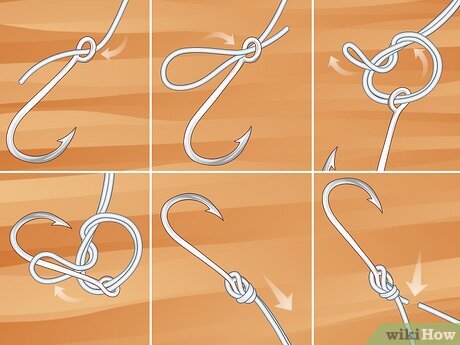
Double about 6 inches of line and pass it through the hook eye. Tie a loose overhand knot with the doubled line.
- Pass the hook through the loop of the overhand knot.
- Pull the hook to tighten the knot.
- Moisten the knot before tightening fully.
- Pull both ends of the line tight.
- Trim the tag end close to the knot.
Uni Knot
The Uni knot is versatile and easy to adjust. It works for many types of lines.
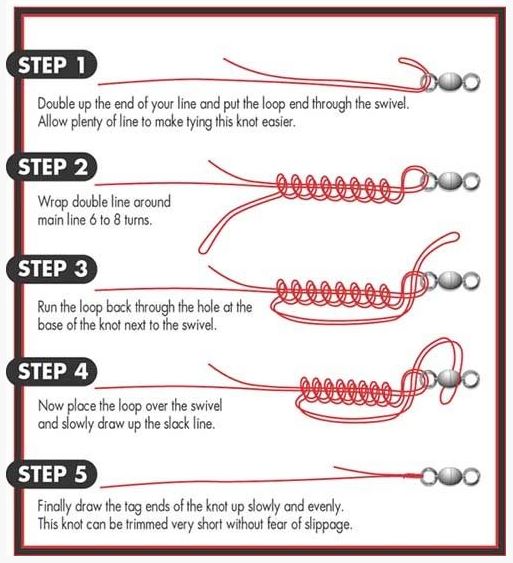
Pass the line through the hook eye and double back. Make a loop with the tag end alongside the standing line.
- Wrap the tag end around both lines five times.
- Pass the tag end through the loop.
- Moisten the knot before tightening.
- Pull the standing line to slide the knot tight.
- Trim the tag end close to the knot.

Credit: www.ohero.com
Testing Knot Strength
Checking the strength of your fishing knot is important before you start fishing. A strong knot keeps the hook secure and prevents losing fish.
Testing knot strength helps you avoid weak points and ensures your line holds under pressure.
Pulling To Check Security
Pull the line firmly to test how well the knot holds. Use steady pressure to simulate the force of a fish pulling.
- Hold the hook securely in one hand.
- Pull the fishing line with the other hand slowly.
- Feel for any slipping or loosening at the knot.
- If the knot moves, retie it tighter or choose a different knot.
- Repeat until the knot feels secure and does not slip.
Identifying Weak Spots
Look closely at the knot and line for any signs of damage or weakness. Weak spots can cause the line to break easily.
| Weak Spot | What to Look For | Action |
| Frayed Line | Thin, worn fibers near the knot | Cut and retie with fresh line |
| Slipping Knot | Knot moves under pressure | Tighten or try a stronger knot |
| Uneven Tightening | Loops not snug against each other | Retie carefully to ensure even tension |
| Damaged Hook Eye | Sharp edges that cut the line | File smooth or replace hook |
Tips For Knot Durability
Tying a hook to a fishing line needs a strong knot. A durable knot keeps the hook secure. It helps catch fish without losing them.
Follow these tips to make your knots last longer and work better. Small details can make a big difference.
Trimming Excess Line
Cutting the extra line after tying is important. Too much loose line can catch on weeds or rocks. It may also weaken the knot.
Trim the line close to the knot but leave a small tail. This prevents the knot from slipping.
- Use sharp scissors or nail clippers
- Leave about 1/8 inch of line after the knot
- Avoid leaving long tails that can tangle
Avoiding Line Twists
Line twists weaken the knot and cause tangles. Twists happen when the line spins during casting or reeling.
Keep the line straight and avoid spinning the reel too fast. Use swivel hooks to reduce twisting.
- Check the line for twists before tying
- Let the line hang loose to untwist
- Use swivels to prevent line rotation
Re-tying After Use
Always check your knots after fishing. Re-tying old knots keeps the line strong. Worn knots can break easily.
Cut old knots completely and tie new ones before your next trip. This keeps your fishing setup reliable.
- Inspect knots for wear and looseness
- Replace knots that look frayed or weak
- Tie fresh knots before each fishing session
Credit: www.beadinggem.com
Common Mistakes To Avoid
Tying a hook to a fishing line seems easy but many anglers make mistakes. These errors can cause the knot to fail and lose fish.
Understanding common mistakes helps you tie stronger knots. This guide covers three frequent errors and how to avoid them.
Tying Too Loosely
Tying the knot loosely is a big problem. If the knot is not tight, it can slip and come undone when you catch a fish.
- Always pull the knot tight after making it.
- Check the knot by giving it a firm tug before fishing.
- Make sure the coils in the knot lie neatly and do not overlap.
- Practice tying the knot slowly to ensure tightness.
Skipping Moistening
Many anglers skip moistening the knot before tightening. Dry knots can weaken the line by creating friction heat.
Moistening the line helps the knot slide and tighten smoothly. Use water or saliva to wet the knot before pulling it tight.
Using Incorrect Knot For Line
Not all knots fit every type of fishing line. Using the wrong knot can cause slipping or line breakage.
| Line Type | Recommended Knot | Reason |
|---|---|---|
| Monofilament | Improved Clinch Knot | Strong grip and easy to tie |
| Fluorocarbon | Palomar Knot | Maintains line strength and easy to tie |
| Braid | Uni Knot | Works well with thin, slippery lines |
Frequently Asked Questions
How Do I Tie A Hook To Fishing Line Securely?
To tie a hook securely, use the improved clinch knot. Thread the line through the hook eye, wrap around five times, then pass the tag end through the loop. Tighten firmly and trim excess line. This knot is strong and reliable for most fishing situations.
What Is The Easiest Knot To Tie Fishing Hooks?
The Palomar knot is the easiest and strongest knot for tying hooks. Double the line, pass it through the hook eye, tie a loose overhand knot, then pass the hook through the loop. Tighten slowly and trim excess line. It works well with braided and monofilament lines.
Can I Use Different Knots For Various Fishing Lines?
Yes, different lines require different knots. For monofilament, the improved clinch knot works well. For braided lines, the Palomar knot is best. Fluorocarbon lines often use the Uni knot. Choosing the right knot improves strength and reduces line breakage.
How Tight Should The Knot Be When Tying Hooks?
The knot should be pulled tight enough to secure the hook firmly. Use wet hands or water to moisten the line before tightening. This prevents friction damage and strengthens the knot. Avoid overtightening, which can weaken the line or knot.
Conclusion
Tying a hook to your fishing line is simple and important. Practice the steps slowly to get it right. A strong knot keeps your bait secure and helps catch fish. Use the right knot for the type of line you have.
Check your knot before every fishing trip. This small skill improves your fishing experience a lot. Keep practicing, and you will feel more confident each time. Now, you are ready to enjoy fishing with a well-tied hook.