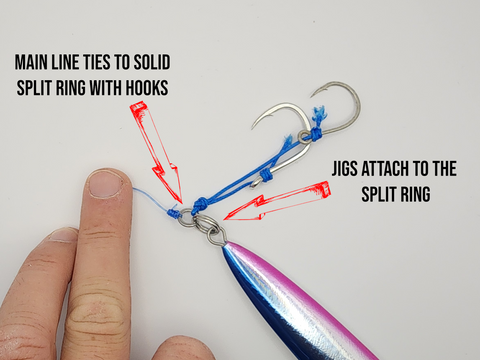
Have you ever been out on the water, excitement in your heart, only to realize you’re not quite sure how to tie your jig to your fishing line securely? You’re not alone.
Many fishing enthusiasts find themselves in this situation, eager to catch that dream fish but unsure of the best knot to use. Knowing how to tie a jig properly can be the difference between a successful day on the water and the frustration of losing a catch.
In this guide, we’ll take you through the simple steps to ensure your jig is tied tight and ready to reel in that prize fish. Prepare to boost your fishing success and confidence by mastering this essential skill. Keep reading to discover how you can make every fishing trip a triumphant one.
Credit: www.youtube.com
Choosing The Right Jig And Line
Tying a jig to your fishing line starts with choosing the right jig and line. These choices affect your fishing success.
Pick a jig and line that work well together. This helps you catch more fish and avoid line breaks.
Types Of Jigs
Jigs come in many shapes and sizes. Each type works best for different fish and water conditions.
- Round Head Jigs: Good for deep water fishing
- Paddle Tail Jigs: Create lifelike movement in water
- Football Jigs: Best for rocky bottoms
- Grass Jigs: Designed for fishing near vegetation
- Swim Jigs: Made for fast swimming action
Selecting Fishing Line
Fishing lines come in different materials and strengths. Pick one that fits your fishing style.
- Monofilament: Flexible and easy to tie
- Fluorocarbon: Less visible underwater
- Braided Line: Strong and thin
Matching Jig And Line Strength
Match the strength of your line to the jig weight. This prevents line breaks and lost fish.
| Jig Weight | Recommended Line Strength |
|---|---|
| 1/16 to 1/8 ounce | 4 to 8 pounds |
| 1/4 to 3/8 ounce | 8 to 12 pounds |
| 1/2 ounce and above | 12 to 20 pounds |
Preparing The Fishing Line
Preparing your fishing line is important before tying a jig. This helps make a strong, reliable knot. It also protects the line from breaking.
Follow simple steps to prepare the line well. This will improve your fishing experience and catch rate.
Cutting The Line To Length
Cut the fishing line to a suitable length for your jig. Too long or too short lines can cause problems while fishing.
Use sharp scissors or a line cutter. Make a clean, straight cut to avoid weak spots.
Removing Frays And Damages
Check the line for any frays or damage before tying the jig. Frayed lines can break easily and cause you to lose fish.
If you see any damaged parts, cut them off. Always use a smooth and strong part of the line for tying.
Moistening The Line
Before tying the knot, moisten the fishing line with water or saliva. This reduces friction and prevents the line from weakening.
Moistening helps the knot tighten smoothly and stay strong during casting and fishing.
Popular Knots For Tying Jigs
Tying a jig to your fishing line needs a strong, reliable knot. Choosing the right knot helps keep your jig secure while fishing.
Below are three popular knots that anglers use often. Each knot has its own benefits and easy steps to follow.
Improved Clinch Knot
The Improved Clinch Knot is a classic knot for tying jigs. It is simple and holds well with most fishing lines.
- Thread the line through the jig’s eye.
- Wrap the tag end around the main line 5 to 7 times.
- Pass the tag end through the small loop near the jig’s eye.
- Then pass it through the big loop you just created.
- Wet the knot and pull tight.
Palomar Knot
The Palomar Knot is strong and easy to tie. It works well with braided and monofilament lines.
Follow these steps to tie the Palomar Knot:
- Double about 6 inches of line and pass it through the jig’s eye.
- Tie a loose overhand knot with the doubled line.
- Pass the jig through the loop of the overhand knot.
- Pull both the tag end and main line to tighten the knot.
- Trim the excess tag end.
Loop Knot
The Loop Knot gives your jig more freedom to move. This can make your lure look more natural in the water.
| Step | Action |
|---|---|
| 1 | Make an overhand knot in the line, leaving a long tag end. |
| 2 | Pass the tag end through the jig’s eye. |
| 3 | Thread the tag end back through the overhand knot. |
| 4 | Wrap the tag end around the main line 4 to 5 times. |
| 5 | Pass the tag end back through the overhand knot. |
| 6 | Wet the knot and pull tight while holding the loop size. |

Credit: wholesalejigs.com.au
Step-by-step Knot Tying
Tying a jig to a fishing line is a simple skill every angler should know. A secure knot keeps your jig from slipping off during casting or fighting fish.
This guide breaks down the process into clear steps. Follow each part carefully to tie a strong knot that holds well.
Threading The Jig Eye
Start by passing the end of your fishing line through the eye of the jig. Make sure you pull enough line through to work with comfortably.
Forming The Knot
Once the line is through the jig eye, form a loop by doubling back the tag end alongside the main line. Wrap the tag end around the main line several times to create a tight coil.
- Hold the loop and main line together.
- Wrap the tag end around both lines 5 to 7 times.
- Thread the tag end back through the loop near the jig eye.
- Pull the tag end slightly to start tightening the knot.
Tightening And Securing
Now secure the knot by pulling both the tag end and the main line firmly. Wet the knot first to reduce friction and prevent weakening the line.
| Action | Tip |
|---|---|
| Wet the knot | Use saliva or water to lubricate |
| Pull slowly | Avoid sudden force to keep knot tight |
| Trim excess tag end | Leave about 1/4 inch for security |
Tips For Stronger Knots
Tying a jig to your fishing line needs care to keep the knot strong. A strong knot holds the jig well and stops it from slipping off.
Here are some tips to help you tie stronger knots that last longer on your fishing line.
Avoiding Line Twist
Line twist weakens knots and can cause tangles. It happens when the jig spins too much on the line.
- Use a swivel to stop the line from twisting.
- Check that the jig is balanced to reduce spinning.
- Let out line slowly when casting to avoid extra twist.
- Re-spool your line if it gets too twisted.
Proper Knot Tightening
Pulling the knot tight the right way keeps it strong. Too loose or uneven tightening weakens the knot.
| Action | Why It Matters |
|---|---|
| Moisten the line before tightening | Reduces friction and prevents damage to the line |
| Pull evenly on all ends | Ensures the knot tightens uniformly and holds better |
| Do not over-tighten | Stops the line from weakening or breaking |
Testing Knot Strength
Always test your knot before fishing. This step helps you avoid losing your jig or catch.
- Pull the jig gently to check if the knot slips.
- Give a firm tug to see if the knot holds under pressure.
- Retie the knot if it feels weak or loose.

Credit: www.youtube.com
Common Mistakes To Avoid
Tying a jig to your fishing line needs care. Simple mistakes can cause you to lose fish or gear.
Knowing what to avoid helps you tie strong knots that last longer in water.
Using Damaged Line
Using fishing line that is old or damaged weakens your knot. Cuts or frays can cause the line to break easily.
- Check your line for nicks or worn spots before tying the jig.
- Replace the line if it looks thin or rough in places.
- Store your fishing line away from sunlight and heat to avoid damage.
Incorrect Knot Technique
Tying the knot wrong makes it less secure. This can cause the jig to slip off or the line to break.
| Mistake | Effect |
| Not tightening the knot properly | Knot loosens and fails |
| Using too few wraps on the line | Weak grip on the jig eye |
| Cutting tag end too short | Tag end slips out and knot unties |
Skipping Moistening Step
Dry knots can heat up and weaken when tightened. Moistening the line helps the knot hold better.
Tips to moisten your line before tightening:
- Use water from your bait bucket.
- Saliva works well if water is not nearby.
- Moisten the knot every time you tie or adjust.
Maintaining Your Knots
Tying a jig to your fishing line is just the start. Keeping your knots strong is key for a good catch. Regular care helps avoid lost fish and gear.
Check your knots often and fix any issues quickly. Proper storage also protects your tied jigs from damage.
Regular Knot Checks
Look at your knots before and after fishing. Check for any signs of wear like frays or loosening. Wet knots dry out and weaken if not checked.
- Pull gently on the knot to test its strength
- Look for worn or damaged line near the knot
- Check knots after catching a fish or snagging
Retying When Necessary
Retie your jig if the knot looks weak or slips. A fresh knot gives you better control and safety. Don’t wait for the knot to fail during fishing.
- Cut off old knots carefully
- Use the same knot type or try a stronger one
- Moisten the line before tightening the knot
Storage Tips For Tied Jigs
Store tied jigs in a dry, cool place to keep knots strong. Avoid crushing or tangling your line. Proper storage prevents damage and saves time.
- Use a tackle box with compartments
- Keep jigs separated to avoid tangles
- Dry jigs before storing to prevent rot
Frequently Asked Questions
How Do I Tie A Jig To Fishing Line Securely?
Use a strong knot like the improved clinch knot. Thread the line through the jig’s eye, wrap it five times, then tighten. This ensures a firm connection and prevents the jig from slipping during fishing.
What Is The Best Knot For Jig Fishing?
The improved clinch knot is widely recommended. It’s strong, easy to tie, and holds well under tension. This knot keeps the jig firmly attached and helps improve your fishing success.
Can I Tie A Jig Without Special Tools?
Yes, you only need your hands to tie a jig. No special tools are necessary. Practice tying knots by hand to ensure a secure and reliable connection between jig and line.
How Tight Should The Knot Be When Tying A Jig?
The knot should be tight but not over-pulled. Tighten slowly to remove slack and avoid weakening the line. Proper tension keeps the jig secure and prevents line damage during casting or retrieving.
Conclusion
Tying a jig to your fishing line is a simple skill to learn. Practice the steps slowly and carefully. A strong knot helps keep your jig secure. This means fewer lost catches and more fun fishing. Keep your line tight and check the knot often.
Soon, tying your jig will become second nature. Enjoy your time on the water with confidence. Fishing success starts with the right knot. Give it a try today!