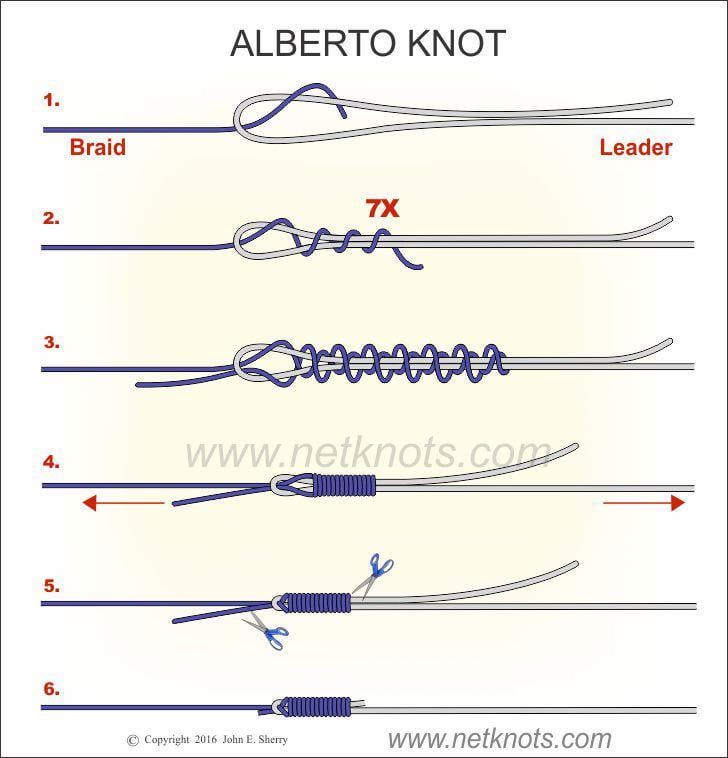
If you’re serious about fishing, you know that tying a leader to your braided fishing line is a key skill. Without the right knot, you risk losing your catch or your gear.
But don’t worry—this guide will show you simple, reliable ways to make that connection strong and secure. By the end, you’ll have the confidence to tie your leader quickly and effectively every time. Ready to improve your fishing game? Let’s dive in and master this essential technique together.
Choosing The Right Leader
Tying a leader to a braided fishing line needs the right leader choice. A good leader helps catch fish and avoids line breaks.
Selecting the right leader depends on fishing type, fish size, and water conditions. Use the right leader for a better fishing experience.
Types Of Leaders
There are several leader types. Each type works best for different fishing needs. Pick a leader type that fits your fishing style.
- Fluorocarbon leaders are clear and hard to see underwater.
- Monofilament leaders offer good stretch and shock absorption.
- Wire leaders prevent sharp teeth from cutting the line.
- Coated leaders combine strength and abrasion resistance.
Matching Leader Strength To Line
Match the leader strength to your braided line. This balance prevents weak spots where the line can break.
Usually, choose a leader with strength close to or slightly less than the braided line. This keeps your setup strong and reliable.
- If your braid is 30 lb, use a leader around 20-30 lb.
- For lighter braid, pick a leader with similar or a bit lower strength.
- A much stronger leader than braid can cause knots to slip.
Material Considerations
Choose leader materials based on water type and fish behavior. Materials affect visibility and strength.
Fluorocarbon leaders work well in clear water. Monofilament leaders give good shock absorption in rough water. Wire leaders suit toothy fish.
- Fluorocarbon: low visibility, good abrasion resistance.
- Monofilament: stretchy, cheaper, good for general use.
- Wire: strong, used for fish with sharp teeth.

Credit: www.reddit.com
Selecting Braided Line
Choosing the right braided line is important for fishing success. It affects how you tie your leader and how strong your setup will be.
This guide will help you understand the features of braided line and why it is popular among anglers.
Braided Line Characteristics
Braided line is made by weaving many thin fibers together. It is very strong for its size and does not stretch much.
This line is usually thin, smooth, and floats on water or sinks slowly. It can be more visible in water than other lines.
- High strength with low diameter
- Little to no stretch
- Durable and abrasion-resistant
- Visible in clear water
Common Uses
Braided line works well for many fishing styles. It is often used for heavy cover and long casting.
Anglers use it for bass fishing, saltwater fishing, and trolling. It helps to feel small bites clearly.
- Freshwater fishing in thick vegetation
- Saltwater fishing for big fish
- Deep water or long-distance casting
- Fishing with heavy lures or baits
Advantages Over Other Lines
Braided line has benefits compared to monofilament and fluorocarbon lines. It offers strength and sensitivity.
This line has less stretch, so you feel the fish better. It also lasts longer and resists damage from rocks and plants.
- Stronger for the same thickness
- More sensitive to bites
- Lasts longer without breaking down
- Better for heavy cover fishing
Preparing The Line And Leader
Tying a leader to a braided fishing line is important. It helps improve casting and reduces line visibility in water.
Before you start, make sure your line and leader are ready. Proper preparation ensures strong knots and successful fishing.
Trimming And Cleaning
Trim the ends of both the line and leader. This removes any frayed parts that might weaken the knot.
Clean the line and leader with a damp cloth. Dirt and debris can make knots slip or break.
- Use sharp scissors for clean cuts
- Wipe gently to avoid damaging the line
- Check for any visible frays
Checking For Damage
Examine the line and leader closely. Look for any signs of wear or damage.
Damaged lines can snap under tension. Replace any damaged sections before tying.
- Inspect for cuts or abrasions
- Run fingers along the line to feel for rough spots
- Replace if any damage is found
Moistening The Line
Moisten the line and leader before tying. Water reduces friction and helps the knot tighten properly.
A dry line can create heat during tying. This weakens the knot and the line.
- Dip the line in water or use saliva
- Ensure both the line and leader are damp
- Avoid over-soaking to prevent tangling
Strong Knots For Braided To Leader
Tying a strong knot between braided line and leader ensures your rig stays secure. It prevents slipping and keeps your line from breaking under pressure.
Below are three popular knots. Each works well for joining braided fishing line to a leader.
Double Uni Knot
The Double Uni Knot is easy to tie and very strong. It works by tying two uni knots that slide together.
- Overlap the ends of the braided line and the leader by 6 inches.
- Make a loop with the braided line and wrap the tag end around both lines 5 times.
- Pull the tag end through the loop and tighten the first uni knot.
- Repeat the same steps with the leader line.
- Pull both standing lines to slide the knots together.
- Trim the tag ends close to the knot.
Albright Knot
The Albright Knot is great for connecting lines of different thickness. It is popular for braided to fluorocarbon or monofilament leaders.
| Step | Action |
|---|---|
| 1 | Make a loop in the leader line. |
| 2 | Pass the braided line through the loop from the front. |
| 3 | Wrap the braided line around both lines 10 times tightly. |
| 4 | Pass the braided line back through the loop in the opposite direction. |
| 5 | Moisten the knot and pull both ends to tighten. |
| 6 | Trim tag ends neatly. |
Fg Knot
The FG Knot is known for its slim profile and strength. It is a bit harder to tie but holds very well under heavy loads.
Key tips for tying the FG Knot:
- Use a firm grip when wrapping the braided line around the leader.
- Make 10 to 12 tight wraps for best strength.
- Keep the wraps neat and close together.
- Finish by tying a backing knot on the leader to lock the wraps.
Step-by-step Knot Tying
Tying a leader to braided fishing line is key for strong fishing setups. The right knot keeps your line secure and helps catch more fish.
Below are clear instructions for three popular knots. Follow each step carefully to tie these knots correctly.
Double Uni Knot Instructions
The Double Uni knot is easy to tie and works well for joining braided line to a leader. It creates a strong and smooth connection.
- Overlap the end of the braided line and the leader by 6 inches.
- Make a loop with the braided line end around both lines.
- Wrap the braided line end around itself 5 times.
- Pull the tag end to tighten the coil.
- Repeat the same wraps with the leader’s end.
- Pull both standing lines to slide the knots together.
- Trim the tag ends close to the knots.
Albright Knot Instructions
The Albright knot is good for connecting lines of different thicknesses. It works well with braided line and fluorocarbon leaders.
| Step | Action |
|---|---|
| 1 | Form a loop with the leader line about 8 inches long. |
| 2 | Pass the braided line through the loop from the front. |
| 3 | Wrap the braided line around both strands of the leader loop 10-12 times. |
| 4 | Pass the braided line back through the leader loop from the back side. |
| 5 | Moisten the knot and pull both ends slowly to tighten. |
| 6 | Trim the tag ends closely. |
Fg Knot Instructions
The FG knot is very strong and thin. It is ideal for serious anglers using braided line to fluorocarbon or nylon leaders.
- Lay the leader over the braided line in parallel for 10-15 inches.
- Wrap the braided line tightly around the leader and braided line together 20-30 times.
- Pull the braided line tight so the wraps grip the leader firmly.
- Tie a finishing knot with the leader to secure the wraps.
- Trim the tag ends close to the knots.
Testing Knot Strength
Tying a leader to a braided fishing line needs a strong knot. Testing the knot strength helps avoid losing fish. A weak knot can break under pressure.
Testing your knot ensures it will hold during fishing. You can check it by pulling and looking for signs of failure.
Pull Test Techniques
Pull tests help measure how strong your knot is. Hold the line near the knot and pull hard. Use steady force instead of quick jerks.
Try pulling the knot in different directions. This shows if it holds well under real fishing conditions. A strong knot will not slip or break easily.
- Grip both sides of the knot firmly
- Apply slow, steady pressure
- Test pull in all directions
- Repeat a few times to confirm strength
Signs Of Knot Failure
Watch for signs showing your knot may fail. These signs mean the knot is weak and may break while fishing.
- Slipping or sliding of the knot
- Line fraying near the knot
- Loosening of the knot loops
- Sudden breakage under low pressure
If you notice these signs, do not use the knot. It needs to be retied to avoid losing fish or gear.
When To Retie
Retie the knot before you start fishing if you see any weakness. Also, retie if the knot has been tested many times or after a hard catch.
Regularly check and retie knots to keep your fishing line strong. This helps prevent unexpected breaks during fishing trips.
- After knot shows slipping or fraying
- Following heavy strain or catches
- Before long fishing sessions
- When the knot feels loose or uneven
Tips For Knot Durability
Tying a leader to a braided fishing line needs care. A strong knot keeps your gear safe. Use the right steps for lasting results.
Focus on how you tighten the knot, avoid twists, and check it often. These tips help your knot last longer and hold better.
Proper Knot Tightening
Tighten your knot slowly and evenly. Pull both ends to remove slack without breaking the line. This helps the knot hold firm.
Use wet hands or water to moisten the line before tightening. This reduces friction and prevents damage.
- Pull slowly to avoid snapping the line
- Keep tension even on all parts of the knot
- Moisten line before final tightening
Avoiding Line Twist
Line twist weakens the knot and can cause tangles. Let the line run freely when tying. Avoid spinning your reel during the process.
Use swivel connectors if needed to reduce twist. Keep the leader straight and smooth before pulling tight.
- Do not spin the reel while tying
- Keep the line straight and untwisted
- Use swivels to reduce twisting
Regular Knot Inspection
Check your knots often, especially after catching fish. Look for frays, slips, or loose knots. Replace or retie if needed.
Inspect knots before each fishing trip. This keeps your setup strong and ready for action.
- Look for worn or damaged line near the knot
- Retie knots that look loose or weak
- Check knots after heavy catches or snags

Credit: www.youtube.com
Common Mistakes To Avoid
Tying a leader to braided fishing line needs care. Many anglers make simple mistakes that weaken the knot.
Knowing what to avoid helps keep your line strong and catch more fish.
Using The Wrong Knot
Not all knots work well with braided line. Using the wrong knot can cause slipping or breakage.
- Do not use knots made for monofilament only.
- Choose knots tested for braided lines, like the Palomar or FG knot.
- A wrong knot reduces line strength by up to 50%.
Insufficient Knot Wraps
Wrapping the line too few times around the leader weakens the knot. Braided line is slippery and needs extra wraps.
| Knot Type | Recommended Wraps |
|---|---|
| Palomar Knot | 4 to 6 wraps |
| FG Knot | 8 to 12 wraps |
| Double Uni Knot | 6 to 8 wraps |
Ignoring Line Condition
Old or damaged braided line breaks easily at the knot. Always check line condition before tying.
- Look for frays or cuts on the braid.
- Replace line after heavy use or exposure to sun.
- Wet the line before tightening knots to reduce friction damage.

Credit: www.reddit.com
Frequently Asked Questions
How Do I Tie A Leader To Braided Fishing Line?
To tie a leader to braided line, use strong knots like the FG knot or Double Uni knot. These knots ensure a secure, slim connection that passes through guides smoothly without slipping or damaging the line.
What Is The Best Knot For Braided Leader Connection?
The FG knot is the best for connecting braided line to a leader. It provides superior strength and a thin profile, allowing smooth casting and better sensitivity. It requires practice but offers reliable performance for anglers.
Why Use A Leader With Braided Fishing Line?
Leaders prevent braided line from fraying and improve abrasion resistance. They also provide invisibility in water, increasing bite rates and preventing fish from detecting the main line. Leaders enhance overall fishing success with braided lines.
Can I Use Fluorocarbon Leaders With Braided Lines?
Yes, fluorocarbon leaders are ideal with braided lines. They offer low visibility underwater, abrasion resistance, and stiffness. Fluorocarbon leaders improve presentation and protect braided lines from sharp teeth and rough structures.
Conclusion
Tying a leader to braided fishing line can seem tricky at first. Practice the steps slowly and you will improve. Using the right knot keeps your line strong and ready to fish. Always check your knot before casting to avoid losing fish.
With patience, you will feel more confident on the water. Enjoy your fishing trips with a secure and reliable line connection. Keep practicing, and soon it will become second nature.