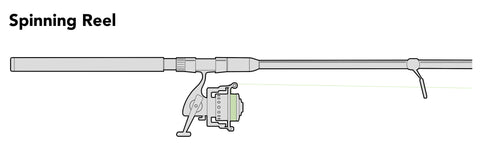
Tying your fishing line onto a reel might seem tricky at first, but it’s a skill you can master quickly. If you want your line to stay secure and avoid frustrating tangles, knowing the right way to tie it is key.
You’ll discover simple, step-by-step instructions that will make the process easy and effective. By the time you finish reading, you’ll feel confident and ready to cast like a pro. Keep going—you’re just a few steps away from improving your fishing game!

Credit: www.youtube.com
Choosing The Right Line
Choosing the right fishing line is important for a good fishing experience. The right line helps you catch fish more easily and keeps your gear working well.
This guide covers key points about fishing lines. Learn about types of lines, their strength, and how to pick one for your fishing spot.
Monofilament Vs. Braided Line
Monofilament and braided lines are the two main types of fishing line. Each has its own benefits and uses.
- Monofilament:Made of one nylon strand. It is stretchy and easy to handle.
- Braided:Made of many thin fibers woven together. It is very strong and thin.
- Monofilament is good for beginners and light fishing.
- Braided line works well for heavy fish and tough conditions.
Line Strength And Diameter
| Line Type | Strength Range (lbs) | Diameter Range (inches) | Best Use |
| Monofilament | 4 – 30 | 0.010 – 0.035 | General fishing, beginners |
| Braided | 10 – 80 | 0.006 – 0.020 | Heavy cover, big fish |
Choose a line with strength that matches the fish you want to catch. Thinner lines cast farther but may break easier.
Considering Fishing Conditions
Your fishing location affects the best line choice. Think about water type, obstacles, and weather.
- Use monofilament for clear water and calm weather.
- Choose braided line if fishing near rocks or weeds.
- Thicker line works better in rough water or strong currents.
- Match your line to the reel and rod for smooth casting.
Preparing The Reel
Before tying line onto a fishing reel, you need to prepare the reel properly. This helps the line spool evenly and prevents problems while fishing.
Cleaning the spool, adjusting the drag, and opening the bail are important steps to get your reel ready.
Cleaning The Spool
Remove any dirt, dust, or old line from the spool. A clean spool helps the new line stick well and spool smoothly.
Use a soft cloth or brush to clean the surface. Avoid harsh chemicals that can damage the spool.
Adjusting The Drag
The drag controls how much resistance a fish feels when it pulls the line. Adjusting it before spooling helps protect your line.
Turn the drag knob to set moderate resistance. This keeps tension balanced and stops the line from breaking easily.
- Turn clockwise to increase drag
- Turn counterclockwise to decrease drag
- Set drag to about one-third of the line’s breaking strength
Opening The Bail
The bail is the wire arm on the reel that guides the line onto the spool. You must open it to tie the line properly.
Flip the bail up so the line can move freely. Keep it open while tying the knot and starting to spool the line.
Attaching The Line
Attaching the fishing line to your reel is an important skill. It ensures your line stays secure during fishing.
This guide covers how to select the right knot, tie the arbor knot, and secure it properly.
Selecting The Knot
Choosing the correct knot helps keep your line strong and prevents slipping. Different knots suit different reel types and line materials.
- Arbor knot: Good for attaching line to the reel spool.
- Improved clinch knot: Strong for tying hooks and lures.
- Palisade knot: Useful for braided lines.
- Bimini twist: Adds extra strength but is more complex.
Tying The Arbor Knot
The arbor knot is simple and effective for securing line to the reel spool. Follow these steps to tie it:
- Wrap the line around the reel spool.
- Tie an overhand knot around the main line.
- Tie a second overhand knot at the tag end.
- Pull both knots tight against the spool.
Securing The Knot Properly
Properly securing the knot prevents slippage and line damage. Check these tips to keep your knot safe:
| Tip | Reason |
| Tighten the knot slowly | Prevents line breakage |
| Moisten the line before tightening | Reduces friction |
| Trim excess tag end | Avoids tangling |
| Test the knot with a firm pull | Ensures security |

Credit: www.youtube.com
Spooling The Line
Spooling the line onto a fishing reel is an important task. It helps the line feed smoothly during fishing.
Proper spooling reduces tangles and increases the line’s lifespan on the reel.
Maintaining Line Tension
Keeping the right tension on the line is key while spooling. Too loose or too tight can cause problems later.
Hold the line firmly between your fingers or use a cloth to keep tension steady as you spool.
- Keep the line tight but not stretched
- Apply gentle pressure with your fingers
- Check tension often during spooling
Filling The Spool Correctly
Fill the spool evenly from edge to edge. This prevents line bunching and tangles.
Stop filling when the line is about 1/8 inch from the spool edge. Do not overfill.
- Start spooling near the spool’s edge
- Wind the line evenly across the spool
- Leave a small gap at the edge
Avoiding Line Twists
Line twists cause knots and tangles. Avoid twists by spooling the line the right way.
Attach the line to the spool and let it feed off the spool or bait spool to keep it straight.
- Use a swivel to reduce twists if needed
- Feed the line from the filler spool carefully
- Check for twists as you spool
Final Checks
After tying your line onto the fishing reel, do some final checks. These steps help ensure your setup is safe and ready for fishing.
Check each part carefully to avoid problems later. A well-prepared reel makes fishing easier and more fun.
Trimming Excess Line
Cut off any extra fishing line after tying the knot. Leaving too much line can cause tangles and reduce casting accuracy.
- Use sharp scissors or line clippers for a clean cut.
- Leave about 1/8 inch of line beyond the knot for security.
- Make sure the cut end is smooth to prevent snags.
Testing Reel Function
Check that your reel works smoothly before you start fishing. Testing helps you spot any issues with line tension or reel movement.
| Test | What to Check | Result |
| Reel Handle | Turn smoothly without resistance | Easy rotation |
| Drag System | Adjust tension and feel gradual resistance | Consistent drag |
| Line Release | Line comes off spool evenly | No snags or jumps |
Storing The Reel
Store your reel properly after use to keep it in good condition. Proper storage prevents damage and extends the reel’s life.
- Loosen the drag to avoid pressure on internal parts.
- Keep the reel in a dry place to prevent rust.
- Cover the reel with a cloth or case to block dust.
- Check the reel occasionally for dirt or damage.

Credit: www.wikihow.com
Frequently Asked Questions
How Do I Tie Fishing Line To A Reel Spool?
Start by threading the line through the reel’s line guide. Wrap the line around the spool twice. Tie a secure knot, like an arbor knot, to hold the line firmly. Trim excess line and wind the line onto the spool evenly.
What Knot Is Best For Attaching Line To Reel?
The arbor knot is the most reliable and simplest knot for attaching line to a reel spool. It secures the line tightly to prevent slipping. This knot is easy to tie and works well with all fishing line types.
How Much Line Should I Spool Onto My Reel?
Fill the reel spool about 1/8 inch from the spool’s edge. Avoid overfilling as it causes tangles. Too little line reduces casting distance. Proper spooling ensures smooth casting and prevents line damage.
Can I Tie Line Onto A Spinning Reel The Same Way?
Yes, you tie line onto a spinning reel by threading through the guides and tying an arbor knot. Wind the line tightly and evenly. The process is similar to baitcasting reels but handle the line with care to avoid twists.
Conclusion
Tying a fishing line onto a reel doesn’t have to be hard. Follow the steps we discussed to make the process simple. Check your knot strength to avoid losing your catch. Practice makes you better, so don’t worry if it takes time.
A well-tied line helps in enjoying your fishing trips more. Keep your tools handy and your line tangle-free. Remember, every angler started as a beginner. Stay patient and enjoy learning. Soon, tying lines will become second nature to you. Happy fishing!