If you want to catch more fish, knowing how to tie your lure onto your fishing line the right way is key. A strong, secure knot can make all the difference between landing a big catch and losing it at the last moment.
You’ll learn simple, step-by-step methods to tie your lure quickly and confidently. Whether you’re a beginner or just need a refresher, these easy tips will help you fish smarter and enjoy your time on the water even more. Keep reading to master the skill that every angler needs!
Choosing The Right Knot
Tying a lure to your fishing line needs a strong, reliable knot. The knot must hold tight during casts and when a fish bites. Choosing the right knot helps keep your lure secure and improves fishing success.
Many knots work well with lures. Some are easier to tie, while others offer higher strength. Knowing popular knots and how strong they are will help you pick the best one for your fishing needs.
Popular Knots For Lures
The most common knots for attaching lures include the Improved Clinch, Palomar, and Loop knots. Each knot has unique features and uses. Some knots keep the lure moving naturally, while others focus on strength.
- Improved Clinch Knot:Simple to tie and reliable for most lures.
- Palomar Knot:Strong and works well with braided and monofilament lines.
- Loop Knot:Allows the lure to move freely for better action in the water.
Knot Strength Comparison
Strength is key when tying lures. A weak knot can break and lose the fish. The table below shows the average knot strength for popular knots tested on monofilament line.
| Knot | Average Strength (%) | Notes |
|---|---|---|
| Improved Clinch | 85% | Good all-round knot |
| Palomar | 95% | Strong and simple |
| Loop Knot | 80% | Best for lure action |

Credit: www.youtube.com
Preparing Your Line And Lure
Before tying your lure to the fishing line, preparation is key. Proper preparation helps ensure your lure stays secure and works well in the water.
Take time to get your line and lure ready. This will make the tying process easier and improve your fishing experience.
Trimming The Line
Start by trimming the fishing line. Cut off any frayed or damaged parts of the line to keep it strong.
Use sharp scissors or a line cutter for a clean cut. A neat end helps the knot hold better and prevents slipping.
- Check for any worn or rough spots on the line
- Trim about half an inch past damaged areas
- Make a straight, clean cut with sharp tools
Checking Lure Attachment Points
Look closely at the lure where you will tie the line. This is usually a small metal ring or eyelet on the lure.
Make sure the attachment point is not bent or cracked. A damaged point can cause the lure to come loose.
- Inspect the metal ring or eyelet for damage
- Ensure the attachment point moves freely if needed
- Replace or repair lures with broken attachment points
Step-by-step Knot Tying
Tying a lure onto your fishing line is important for a secure catch. Using the right knot keeps the lure tight and strong.
This guide shows you how to tie three popular knots. Each knot is easy to learn and works well with most lures.
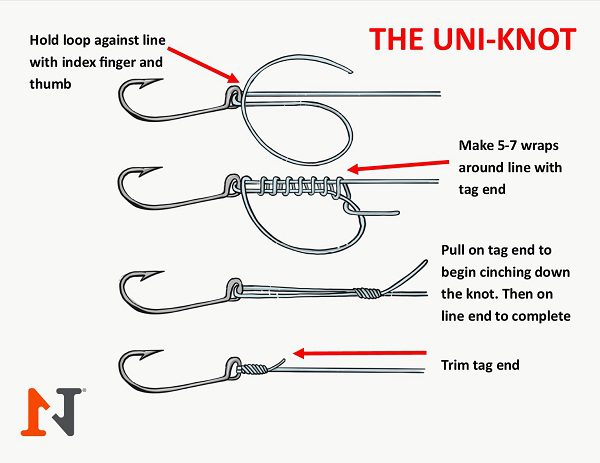
Improved Clinch Knot
The Improved Clinch Knot is simple and strong. It works well with light to medium fishing lines.
- Thread the line through the lure eye.
- Wrap the tag end around the main line 5 to 7 times.
- Pass the tag end through the small loop near the lure eye.
- Then, pass the tag end through the big loop you just made.
- Moisten the knot with water or saliva.
- Pull the main line to tighten the knot.
- Trim the excess tag end close to the knot.
Palomar Knot
The Palomar Knot is very strong and easy to tie. It works well with braided and monofilament lines.
| Step | Action |
|---|---|
| 1 | Double about 6 inches of line and pass it through the lure eye. |
| 2 | Tie a loose overhand knot with the doubled line. |
| 3 | Pass the lure through the loop of the overhand knot. |
| 4 | Moisten the knot and pull both the tag end and main line slowly. |
| 5 | Trim the tag end close to the knot. |
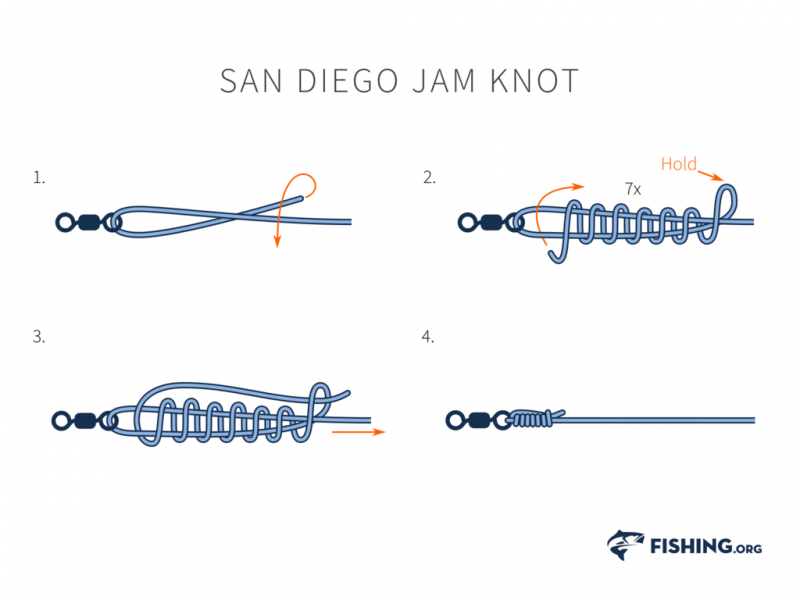
Loop Knot
The Loop Knot gives the lure freedom to move naturally. It is good for soft plastic lures and live bait.
- Create an overhand knot on the line about 10 inches from the end.
- Pass the tag end through the lure eye.
- Pass the tag end back through the overhand knot loop.
- Wrap the tag end around the standing line 4 to 5 times.
- Pass the tag end back through the overhand knot loop again.
- Moisten the knot and pull the main line to tighten.
- Trim the tag end close to the knot.
Credit: medium.com
Tips For Secure Tying
Tying a lure to your fishing line properly is key to a good catch. A secure knot keeps the lure from slipping off.
Using the right technique helps the knot hold strong and prevents losing fish or tackle.
Moistening The Knot
Before tightening, wet the knot with water or saliva. This reduces friction and heat.
Moistening helps the knot slide smoothly and keeps the line from weakening or breaking.
Tightening Techniques
Pull the line slowly and evenly to tighten the knot. Avoid sudden jerks or fast pulls.
Hold the lure and line steady while tightening. This keeps the knot neat and strong.
- Use steady pressure when pulling
- Hold both ends to control tightening
- Keep the knot close to the lure eye
Avoiding Line Damage
Do not over-tighten the knot. Too much force can weaken or cut the line.
Check the line for nicks or rough spots before tying. Smooth lines make stronger knots.
- Use sharp scissors to trim excess line
- Avoid twisting the line when tying
- Inspect the line regularly for damage
Testing Your Knot
Tying a lure onto your fishing line is only part of the job. Testing the knot ensures it will hold during fishing.
A strong knot keeps your lure and fish safe. Let’s look at ways to test your knot strength.
Pull Test Methods
Pull tests check if your knot can hold under pressure. You pull the line to feel its strength.
Hold the line near the knot and pull slowly. If it slips or loosens, retie it carefully.
- Pull the line with steady force
- Watch for any movement in the knot
- Test from different angles to check stability
- Use your hand or a tool for a stronger pull
Signs Of Weakness
Weak knots show clear signs before breaking. Watch for these to avoid losing your lure.
Look closely for slipping, fraying, or looseness in the knot after testing.
- Knot slides along the line when pulled
- Line fibers near the knot appear worn or frayed
- Knot feels loose or untied after a pull
- Line breaks close to the knot under pressure

Credit: wholesalejigs.com.au
Common Mistakes To Avoid
Tying a lure onto your fishing line seems easy but can be tricky. Many anglers make simple mistakes that cause lost fish or broken lines.
Knowing what to avoid helps you tie a strong, reliable knot every time. Here are two common errors to watch out for.
Incorrect Knot Choice
Choosing the wrong knot for your fishing line and lure can cause weak holds. Some knots slip or break under pressure.
- Use knots designed for the type of line you have (monofilament, fluorocarbon, or braid).
- Avoid using decorative or complex knots that are not tested for fishing strength.
- Learn knots like the Improved Clinch Knot or Palomar Knot for strong, secure ties.
- Do not use knots that are hard to tighten or prone to slipping.
Improper Knot Tightening
Tightening your knot incorrectly can weaken it or cause damage to the line. Tighten knots slowly and evenly.
| Common Tightening Errors | Effect on Knot |
| Pulling too fast | Line may weaken or snap |
| Uneven tightening | Knot can slip or loosen |
| Not wetting the line | Friction can damage the line |
| Using too little tension | Knot may not hold under pressure |
Frequently Asked Questions
How Do I Tie A Lure To A Fishing Line Securely?
To tie a lure securely, use the improved clinch knot. Thread the line through the lure eye, wrap it five times, then pass the tag end through the loop and tighten. This knot ensures strength and reduces slippage during fishing.
What Is The Best Knot For Attaching A Lure?
The Palomar knot is best for attaching lures. It is strong, simple, and reliable. This knot preserves line strength and works well with braided or monofilament lines, making it a favorite among anglers.
Can I Tie A Lure Without Tools?
Yes, you can tie a lure without tools. Use your fingers to form knots like the improved clinch or Palomar knot. Practice knot-tying techniques to ensure a tight and secure connection for effective fishing.
How Tight Should The Knot Be When Tying A Lure?
The knot should be snug but not overly tight. Pull the line firmly to eliminate slack, ensuring the knot holds under tension. Avoid over-tightening, which may weaken the line or knot integrity.
Conclusion
Tying a lure onto your fishing line is simple and quick. Use the right knot for a strong, secure hold. Practice a few times to get comfortable. A well-tied lure helps catch more fish. Take your time, and check your knot before casting.
With these steps, your fishing trips will improve. Enjoy the process and happy fishing!