If you’ve ever struggled to tie your fishing line just right, you know how frustrating it can be—especially with braided fishing line. It’s strong and sensitive, but it can be tricky to knot securely.
Getting this step right can make all the difference between a great catch and losing your lure. In this guide, you’ll learn simple, proven techniques to tie on braided fishing line like a pro. Stick with me, and you’ll never worry about your knots slipping again.
Ready to make every cast count? Let’s dive in.
Choosing The Right Knot
Tying braided fishing line requires a knot that holds strong. The right knot prevents line slippage and ensures a secure catch. Selecting the correct knot is crucial for successful fishing.
Braided lines are slippery. This makes choosing the best knot essential. Some knots work better with braided line than others. Knowing which knot to use can improve your fishing experience.
Popular Knots For Braided Line
Some knots are popular for braided line. These knots are known for their strength and reliability. They are easy to learn and use.
- Palomar Knot: Simple and strong, ideal for braided line.
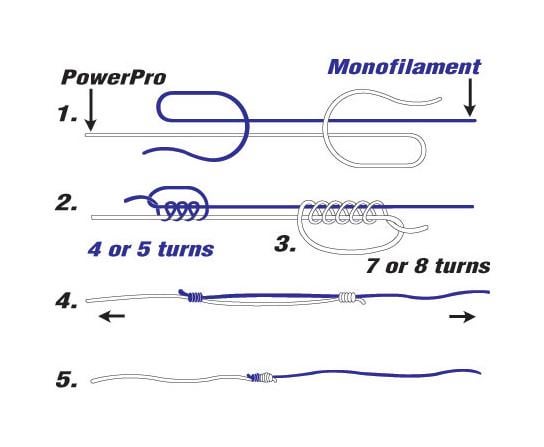
- Double Uni Knot: Versatile and holds well under pressure.
- Improved Clinch Knot: Good for attaching lures and hooks.
Knot Strength Comparison
Different knots have varying strengths. Some knots are better for certain fishing situations. Knowing the strength of each knot helps in making the right choice.
| Knot | Strength |
| Palomar Knot | Very strong |
| Double Uni Knot | Strong |
| Improved Clinch Knot | Moderate |
Credit: medium.com
Preparing The Line
Preparing braided fishing line properly helps make strong knots. It also stops the line from slipping or breaking.
Before tying on your line, take time to trim, clean, and moisten it. These steps improve knot strength.
Trimming And Cleaning
Cut the end of the braided line cleanly before tying. Use sharp scissors or a line cutter for a neat cut.
Remove any dirt, dust, or frayed fibers from the line. Clean line grips better and forms tighter knots.
- Cut the line straight across, not at an angle
- Check for any damaged or worn sections
- Wipe the line with a damp cloth if needed
Moistening The Line
Wet the braided line lightly before tying a knot. This helps reduce friction and heat.
Moistening the line makes knots tighter and lowers the chance of breaking.
- Use clean water to moisten the line
- Do not soak the line; just dampen it slightly
- Apply moisture right before you tie the knot
Step-by-step Knot Tying
Tying the right knot is key for fishing with braided line. Good knots keep your line strong and your catch secure.
Below are clear steps for three popular knots: Palomar, Improved Clinch, and Uni Knot. Each knot works well with braided line.
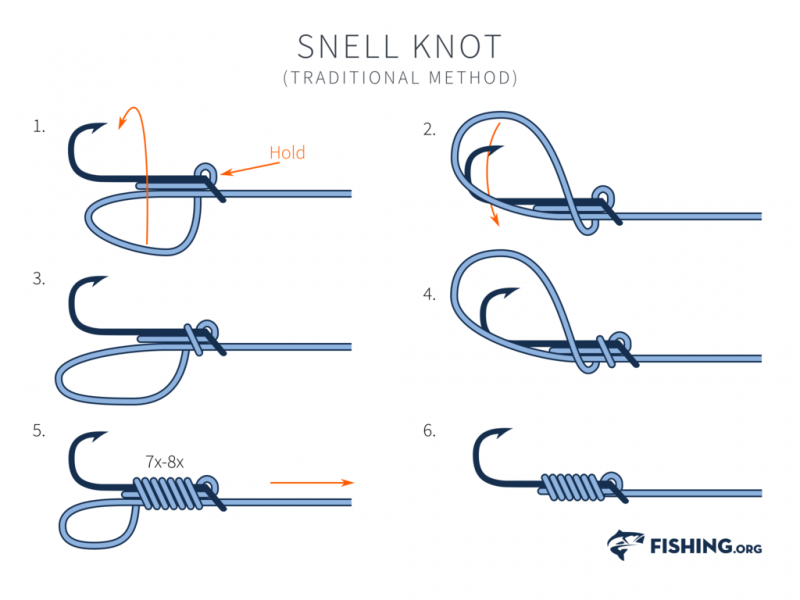
Palomar Knot
The Palomar Knot is strong and easy to tie. It keeps braided line from slipping and works great for hooks and lures.
- Double about 6 inches of line and pass it through the eye of the hook.
- Tie a loose overhand knot with the doubled line.
- Pass the loop over the hook or lure.
- Pull both ends of the line to tighten the knot firmly.
- Trim the tag end close to the knot.
Improved Clinch Knot
The Improved Clinch Knot works well for braided lines and is easy to adjust. It holds strong under pressure.
- Pass the line through the hook eye.
- Wrap the tag end around the standing line 5 to 7 times.
- Thread the tag end through the small loop near the eye.
- Then pass it back through the big loop just created.
- Pull the tag end and standing line to tighten the knot.
- Trim the tag end close to the knot.
Uni Knot
The Uni Knot is versatile and simple. It works well for braided lines and ties quickly.
| Step | Action |
|---|---|
| 1 | Pass the line through the hook eye. |
| 2 | Double back parallel to the standing line, making a loop. |
| 3 | Make 5 turns with the tag end around the doubled line and through the loop. |
| 4 | Moisten the knot and pull the tag end to tighten the coils. |
| 5 | Slide the knot down to the eye and pull the standing line to secure. |
| 6 | Trim the tag end close to the knot. |
Tips For Knot Security
Tying knots on braided fishing line needs care to keep them strong. Secure knots help stop line breaks and lost fish.
Use simple steps to make your knots tight and slip-free. This improves your fishing success.
Avoiding Slippage
Braided line is slick and can slip easily. Avoid slippage by choosing the right knot and wrapping the line enough times.
Keep the knot moist before tightening. This reduces friction and helps the knot close smoothly.
- Use knots like Palomar or Double Uni for better grip
- Wrap the line 5 to 7 times around itself
- Keep the line wet to prevent heat damage while tightening
- Pull the knot slowly and evenly to set it
Proper Tightening Techniques
Apply steady, even pressure when tightening knots. Avoid quick or jerky pulls that can weaken the line.
Hold the knot close to the wraps while tightening. This keeps the knot compact and strong.
- Moisten the line before pulling the knot tight
- Pull slowly with both ends of the line
- Check the knot for any twists or loose wraps
- Trim excess tag ends close but leave a small tail
Testing Your Knot
After tying braided fishing line, testing your knot is important. It helps you ensure the knot will hold tight.
Testing shows if your knot can handle the pressure of fishing. It prevents losing fish or gear.
Pull Test Methods
Pull tests check the strength of your knot. You pull the line hard to see if the knot slips or breaks.
Try pulling the line slowly at first. Then increase the force to simulate real fishing conditions.
- Hold the line near the knot with one hand.
- Pull the tag end and main line apart firmly.
- Check if the knot tightens or loosens.
- Repeat the test a few times for accuracy.
- If the knot slips, retie it with more wraps or a different knot.
Signs Of Weak Knots
Weak knots show visible signs before failing. Spotting these signs saves you from losing fish.
Look for these signs when testing your knot or after fishing.
- The knot moves or slides under pressure.
- The line frays or looks worn near the knot.
- The knot feels loose or uneven when pulled.
- The tag end slips out of the knot.
- The knot changes shape or unravels.

Credit: www.wikihow.com
Common Mistakes To Avoid
Tying braided fishing line requires care and the right technique. Many anglers make simple mistakes that weaken the knot. Avoid these errors to keep your line strong and reliable.
Two common problems are over-tightening the knot and incorrect threading. Both can cause the line to break or slip. Learn what to watch out for in these areas.
Over-tightening
Pulling the knot too tight can damage braided line fibers. It may cut into the line or weaken the knot’s hold. Tighten just enough to secure the knot firmly without squeezing it hard.
- Pull slowly and evenly to avoid sudden snaps.
- Stop tightening once the knot feels firm and snug.
- Use wet hands or water to reduce friction while tightening.
- Avoid jerking or yanking the line after the knot is set.
Incorrect Threading
Threading the line the wrong way leads to weak knots that slip or fail. Make sure the line passes through all knot loops in the correct order. Check each step carefully before tightening.
| Common Threading Errors | Effect on Knot |
|---|---|
| Skipping loops | Knot slips easily under tension |
| Crossing lines unevenly | Knot weakens and may unravel |
| Not doubling the line when required | Less knot strength and durability |
Maintaining Your Knots
Keeping your knots strong is key when using braided fishing line. Proper maintenance helps prevent line breaks and lost fish.
Check your knots often and retie them as needed. This keeps your fishing line safe and ready for action.
Regular Inspection
Look at your knots before and after each fishing trip. Check for any signs of wear or damage on the line or knot.
Feel the knot with your fingers to see if it feels loose or rough. Any damage can weaken the knot and cause it to fail.
- Check for fraying or cuts on the line
- Look for slipping or loosening knots
- Replace knots that look worn or damaged
Retying Frequency
Retie your knots regularly to keep them strong. Old knots lose strength over time, even if they look fine.
Retie knots after catching big fish or after a long time of use. This prevents unexpected breaks and keeps your line reliable.
- Retie knots after every few fishing trips
- Always retie if you feel any slip or looseness
- Use fresh knots to avoid weak points on the line

Credit: www.reddit.com
Frequently Asked Questions
How Do You Tie A Knot On Braided Fishing Line?
To tie a knot on braided fishing line, use knots like the Palomar or Double Uni. These knots hold well and resist slipping. Always moisten the knot before tightening to avoid friction damage and ensure a strong, secure hold.
What Is The Best Knot For Braided Line?
The Palomar knot is best for braided line due to its strength and simplicity. It maintains line integrity and is easy to tie. This knot works well with thin, slippery braided lines and provides reliable performance in fishing.
Can You Use Regular Knots On Braided Line?
Regular knots often slip on braided line due to its slick texture. Specialized knots like Palomar or Double Uni are recommended. These knots prevent slipping and ensure the line holds strong during fishing.
How Do You Prevent Braided Line From Slipping?
To prevent braided line from slipping, use knots designed for braided lines, like the Palomar. Always moisten the line before tightening the knot. Properly trimming tag ends also helps maintain knot security.
Conclusion
Tying on braided fishing line is simple with the right steps. Practice each knot slowly to get it right every time. Strong knots keep your line secure and improve your catch. Use clean cuts and wet the line before tightening knots.
Small details make a big difference in fishing success. Keep practicing to build confidence and skill. Soon, tying braided line will feel easy and natural. Enjoy your time fishing with better gear setup.