Are you tired of your fishing line slipping or breaking right when you’re about to reel in a big catch? Knowing how to tie a swivel onto your fishing line can make all the difference.
It keeps your line strong, prevents twists, and makes your fishing experience smoother and more successful. In this guide, you’ll learn a simple, step-by-step method that anyone can master quickly. Stick with me, and by the end, you’ll have the confidence to tie your swivel perfectly every time—getting you one step closer to landing that trophy fish.
Choosing The Right Swivel
Choosing the right swivel is important for fishing success. The swivel helps prevent your line from twisting. It also connects your main line to the leader or lure.
Picking the correct swivel depends on the type you need and the size of your fishing line. Using the wrong swivel can cause problems like line breakage or poor lure action.
Types Of Swivels
There are several types of swivels. Each type serves a different fishing purpose. Knowing these helps you pick the best one for your fishing style.
- Barrel Swivels:Simple and strong, good for general use.
- Ball Bearing Swivels:Rotate smoothly, best for heavy or fast fishing.
- Three-Way Swivels:Used for rigs that need multiple lines.
- Snap Swivels:Have a clip for quick lure changes.
Matching Swivel Size To Line
Using the right swivel size keeps your fishing line strong. A swivel that is too small may break. One that is too big can scare fish or add unwanted weight.
| Line Test (lb) | Swivel Size | Recommended Swivel Type |
|---|---|---|
| 2–6 | Size 12–16 | Barrel Swivel |
| 6–12 | Size 8–10 | Ball Bearing or Barrel |
| 12–20 | Size 6–8 | Ball Bearing Swivel |
| 20+ | Size 4 or larger | Heavy Duty Ball Bearing |

Credit: www.youtube.com
Preparing The Fishing Line
Tying a swivel onto your fishing line is important for smooth fishing. Preparing the line properly ensures a strong and secure knot.
Before you begin, make sure your fishing line is ready. This will help you have a successful fishing trip.
Cutting The Line Cleanly
It’s important to cut your fishing line cleanly. A neat cut helps in tying a strong knot.
Use a sharp pair of scissors or a line cutter for this task. This ensures there are no frayed ends.
- Hold the line taut before cutting
- Use a single, smooth motion to cut
- Check the end for any fraying
Checking Line Strength
Checking the strength of your line is crucial. It ensures that the line can handle the weight of the fish.
Examine the line for any weak spots or nicks. Replace it if you find any damage.
- Run your fingers along the line to feel for nicks
- Stretch the line gently to test its elasticity
- Consider using a line tester if available
Popular Knots For Swivels
Tying a swivel onto your fishing line helps prevent line twist. Using the right knot keeps your tackle secure.
Here are three popular knots that work well for attaching swivels. Each knot is strong and easy to tie.
Improved Clinch Knot
The improved clinch knot is simple and reliable. It works well with light to medium fishing lines.
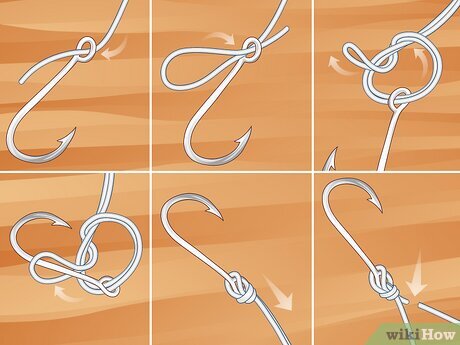
To tie it, thread the line through the swivel eye and wrap it around the line five times. Then pass the tag end through the small loop near the swivel and pull tight.
- Pass line through swivel eye
- Wrap line around five times
- Pass tag end through loop
- Pull tight and trim excess
Uni Knot
The uni knot is strong and easy to adjust. It works well for many fishing situations.
Start by passing the line through the swivel eye. Make a loop and wrap the tag end around the main line five to six times. Pull the tag end to tighten the coils and slide the knot down to the swivel.
- Pass line through swivel eye
- Create a loop and wrap tag end
- Make 5-6 wraps around main line
- Tighten and slide knot to swivel
Palomar Knot
The Palomar knot is very strong and simple. It holds well under heavy strain.
Double about six inches of line and pass it through the swivel eye. Tie a loose overhand knot with the doubled line. Pass the swivel through the loop and pull both ends tight.
- Double line and pass through swivel eye
- Tie loose overhand knot
- Pass swivel through loop
- Pull ends tight and trim excess

Credit: m.youtube.com
Step-by-step Knot Tying
Tying a swivel onto a fishing line is a useful skill for every angler. It keeps your line from twisting and helps your bait move naturally.
This guide breaks down the process into simple steps. Follow each part carefully to tie a strong knot.
Threading The Swivel
Start by passing the end of your fishing line through the eye of the swivel. Make sure you leave enough line to work with when tying the knot.
Forming The Knot Loop
Create a loop by doubling the line back on itself after threading the swivel. Hold the loop and the main line together as you prepare to wrap.
- Wrap the tag end around the doubled line 5 to 7 times.
- Pass the tag end through the loop near the swivel eye.
- Make sure the wraps stay neat and tight.
Tightening And Securing
Wet the knot with water or saliva to reduce friction. Pull the tag end slowly to tighten the wraps.
| Action | Purpose |
|---|---|
| Wet the knot | Prevents line damage |
| Pull tag end | Tightens the knot |
| Pull main line | Secures knot firmly |
| Trim excess line | Keeps knot neat |
After tightening, pull the main line to secure the knot fully. Cut off any extra line close to the knot.
Testing Knot Strength
After tying a swivel onto your fishing line, checking the knot strength is very important. A strong knot keeps your line secure and helps catch fish without losing them.
Testing the knot ensures it will hold up during fishing. You can use simple techniques to see if the knot is reliable and safe to use.
Pull Test Techniques
One way to test your knot is by pulling on the line hard. Use your hands to pull the line and swivel in opposite directions. This shows if the knot slips or breaks.
You can also use a scale to measure the force needed to break the knot. This method gives a clear idea of how strong your knot really is.
- Hold the swivel firmly in one hand.
- Pull the fishing line with your other hand.
- Increase pressure slowly to test the knot.
- Use a scale for precise pull strength measurement.
Signs Of Weak Knots
Weak knots show clear signs before they fail. Check for slipping or loosening after testing. If the knot moves easily, it needs retying.
Another sign is damage to the fishing line near the knot. Frayed or crushed line means the knot is weak and could break when fishing.
- The knot slips when pulled hard.
- Line near the knot looks worn or frayed.
- The knot loosens or unties easily.
- The swivel moves freely on the line.
Common Mistakes To Avoid
Tying a swivel onto a fishing line seems simple but can have hidden challenges. Avoiding common mistakes helps keep your tackle strong and reliable.
Here are some typical errors to watch out for when securing your swivel to the fishing line.
Incorrect Knot Tightening
Tightening the knot too fast or unevenly can weaken it. The knot may slip or break under tension if not done right.
Slowly pull the line and swivel to snug the knot. Make sure the knot tightens evenly and sits neatly against the swivel eye.
- Do not jerk or pull the knot quickly
- Ensure the knot is tight against the swivel eye
- Check the knot for slippage before fishing
Using Damaged Line
Fishing with damaged line can cause the knot to fail. Small cuts or frays reduce the line’s strength and make knots unreliable.
Always inspect your line before tying. Replace any line that shows wear or damage to keep your connection secure.
- Look for nicks, cuts, or frays on the line
- Do not tie knots on weak or old line sections
- Use fresh line for important knots
Choosing Wrong Knot
Not all knots work well for tying swivels. Using the wrong knot can lead to weak connections or knots that slip.
Choose knots designed for swivels and fishing lines. Some knots offer better grip and strength for this purpose.
- Use knots like the Improved Clinch or Palomar
- Avoid knots that slip or are hard to tighten
- Practice the knot before fishing to ensure reliability
Tips For Maintaining Knots
Keeping your knots strong helps you catch more fish. Proper care can stop knots from breaking.
Regular checks and timely re-tying keep your fishing line secure and safe on the water.
Regular Inspection
Look at your knots often while fishing. Check for signs of wear or damage.
- Feel the knot for stiffness or cracks
- Look for frayed or thin spots
- Check if the knot slips under light pull
- Examine the swivel connection closely
Re-tying Frequency
Change knots before they fail. Re-tying keeps your line strong and reliable.
| Use Case | Re-tying Frequency |
| Casual fishing | Every 3-4 outings |
| Heavy use or big fish | After each trip |
| Visible damage | Immediately |

Credit: www.youtube.com
Frequently Asked Questions
How Do I Tie A Swivel To Fishing Line Securely?
To tie a swivel securely, use the improved clinch knot. Thread the line through the swivel eye, wrap it around five times, then pass the tag end through the loop and tighten. This knot prevents slipping and maintains strength during fishing.
What Is The Best Knot For Attaching A Swivel?
The improved clinch knot is the best choice. It offers strong holding power and is easy to tie. This knot keeps your swivel firmly attached and resists slipping under tension, making it ideal for most fishing setups.
Can I Tie A Swivel To Braided Fishing Line?
Yes, you can. Use a Palomar knot for braided lines. It maintains the line’s strength and holds the swivel firmly. This knot is simple and effective, ensuring your swivel doesn’t slip on braided lines.
How Tight Should I Pull The Knot When Tying A Swivel?
Pull the knot firmly but gently. Tighten it slowly to avoid weakening the line. A secure, snug knot prevents slippage and ensures the swivel stays attached during fishing.
Conclusion
Tying a swivel onto your fishing line is simple and quick. Practice the steps a few times to feel confident. A properly tied swivel keeps your line strong and tangle-free. This small skill helps improve your fishing experience. Try it next time before you head out.
You will notice the difference in how your gear works. Keep your knots tight and check them often. Fishing becomes easier with good habits like this. Keep learning and enjoy your time on the water.