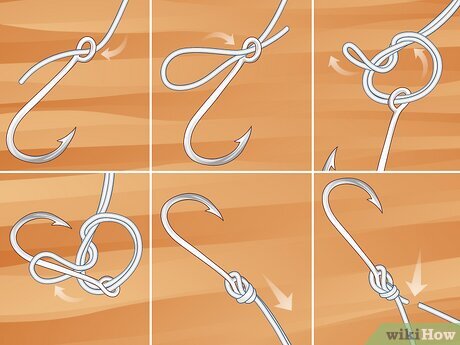
Tying a swivel onto your fishing line might seem simple, but doing it the right way can make all the difference in your fishing success. If your knot isn’t strong or secure, you risk losing your catch or tangling your line.
You want a knot that’s quick, reliable, and easy to master. In this guide, you’ll learn step-by-step how to tie a swivel onto your fishing line like a pro. Stick with me, and you’ll boost your confidence and improve your fishing game every time you cast out.
Ready to get started? Let’s dive in!
Choosing The Right Swivel
Choosing the right swivel is important for fishing success. The swivel helps prevent line twists and tangles.
Picking the right type and size of swivel matches your fishing line and bait. This makes fishing easier and more effective.
Types Of Swivels
There are several types of swivels made for different fishing needs. Each type has a special use.
- Barrel Swivels:Simple and strong, good for most fishing lines.
- Ball Bearing Swivels:Rotate smoothly, best for heavy lines and big fish.
- Snap Swivels:Have a clip to attach lures quickly and easily.
- Three-Way Swivels:Used to connect multiple lines or rigs.
Choose the swivel type based on the fish you want to catch and your fishing style.
Matching Swivel Size To Line
Swivels come in different sizes. Pick a size that fits your fishing line’s strength.
Using a swivel that is too big or too small can cause problems like line breakage or poor swivel action.
- Light lines (2-8 lb): Use small swivels like size 10 to 14.
- Medium lines (10-20 lb): Use medium swivels like size 6 to 8.
- Heavy lines (25+ lb): Use large swivels like size 1 to 3.

Credit: m.youtube.com
Preparing The Fishing Line
Preparing your fishing line correctly makes tying a swivel easier. It helps the knot hold tight and lasts longer.
Take time to prepare the line before attaching the swivel. This avoids weak spots and improves fishing success.
Cutting The Line Cleanly
Use sharp scissors or a line cutter to cut the fishing line. A clean cut prevents the line from fraying or weakening.
- Make sure the cutter blades are sharp and rust-free.
- Cut the line at a right angle for a straight edge.
- Avoid pulling or stretching the line while cutting.
- Inspect the cut end for any small frays.
Moistening The Line
Before tying the swivel, moisten the line with water or saliva. This reduces friction and heat while tightening the knot.
| Reason | Effect |
| Moisten line before tightening | Reduces friction and prevents line damage |
| Dry line during knot tying | Can cause heat and weaken the line |
| Use clean water or saliva | Ensures proper knot strength |
Common Knots For Swivels
Tying a swivel to your fishing line is important for smooth casting and preventing line twists. Using the right knot helps keep your tackle secure.
This guide covers three popular knots. Each knot is strong and fairly easy to tie. Choose one that suits your fishing style.
Improved Clinch Knot
The Improved Clinch Knot is a common choice for attaching swivels. It holds well and is simple to learn.
- Thread the line through the swivel eye.
- Wrap the tag end around the standing line five to seven times.
- Pass the tag end through the small loop near the swivel eye.
- Then, pass it back through the big loop you just made.
- Moisten the knot and pull tight.
Palomar Knot
The Palomar Knot is very strong and works well with braided or monofilament lines. It keeps the swivel secure under pressure.
- Double about 6 inches of line and pass it through the swivel eye.
- Tie a loose overhand knot with the doubled line.
- Pass the swivel through the loop.
- Pull the loop tight around the swivel.
- Trim the tag end close to the knot.
Uni Knot
The Uni Knot is versatile and easy to adjust. It works well with many line types and is reliable for tying swivels.
| Step | Action |
|---|---|
| 1 | Pass the line through the swivel eye and double back. |
| 2 | Make a loop by laying the tag end over the doubled line. |
| 3 | Wrap the tag end around both lines five times. |
| 4 | Pull the tag end to tighten the coils. |
| 5 | Slide the knot down to the swivel and pull tight. |

Credit: www.reddit.com
Step-by-step Knot Tying
Tying a swivel to your fishing line makes your setup stronger. Use a simple knot to keep the swivel secure.
Follow these steps to tie the swivel correctly. This will help you fish without line problems.
Threading The Swivel
First, take the end of your fishing line. Pass it through the eye of the swivel carefully.
Make sure the line goes all the way through the swivel eye. Pull enough line through to work with.
Forming The Loop
Next, create a loop by bending the tag end of the line back toward the main line.
The loop should be big enough to wrap the tag end around the main line several times.
- Hold the main line and tag end together
- Make a loop near the swivel eye
- Keep the loop loose for wrapping
Wrapping And Tightening
Wrap the tag end around both the main line and the loop. Do this 5 to 7 times for strength.
After wrapping, pull the tag end to tighten the knot. Slide it close to the swivel eye.
- Wrap 5 to 7 times tightly
- Pull the tag end to secure the knot
- Trim extra line after tightening
Testing Knot Strength
Testing the strength of your swivel knot is important for safe fishing.
It helps you avoid losing fish due to knot failure.
Pulling Techniques
Use slow and steady pulls to test the knot. Avoid sudden jerks that may give false results.
- Hold the line near the knot firmly.
- Pull the line away from the swivel slowly.
- Increase pressure until you feel resistance.
- Stop if the knot slips or breaks.
- Repeat to confirm the knot’s strength.
Inspecting For Slips
Check the knot carefully after pulling. Look for any signs of slipping or loosening.
| Signs of Slipping | What to Do |
| Line moves inside the knot | Retie the knot tightly |
| Swivel shifts position | Use a different knot style |
| Frayed or damaged line | Replace the line |

Credit: www.youtube.com
Tips For Knot Durability
Tying a swivel to your fishing line needs care. A strong knot keeps your line safe and stops it from breaking. Small habits help your knot last longer.
Follow these tips to keep your knot firm and ready for fishing trips. Checking and trimming the line are key steps.
Trimming Excess Line
Cutting off extra line after tying the knot helps a lot. Too much loose line can catch on things or weaken the knot.
- Use sharp scissors or clippers for a clean cut.
- Leave about 1/8 inch of tag end after the knot.
- A very short tag end stops snagging but keeps knot strength.
- Check the cut area for any frayed strands.
- Trim any frays to avoid knot slipping or breaking.
Regular Knot Checks
Checking your knots often helps avoid surprises. Knots can loosen or wear out over time. Look for signs of damage or looseness before fishing.
| What to Check | Why It Matters | Action to Take |
| Knot Tightness | Loose knots can slip or fail. | Pull gently to test firmness. Retie if loose. |
| Line Wear | Friction or damage weakens line near knot. | Look for frays or thinning. Replace line if needed. |
| Tag End Length | Too long or too short affects knot strength. | Trim excess or leave small tag. Adjust as needed. |
| Moisture and Dirt | Can weaken knot and line over time. | Clean knot area after fishing. Dry before storing. |
Frequently Asked Questions
How Do You Tie A Swivel To Fishing Line?
To tie a swivel, thread the line through the swivel eye. Make a loop and wrap the tag end around the main line 5-7 times. Pass the tag end back through the loop and pull tight. This knot ensures a secure connection.
Which Knot Is Best For Tying A Swivel?
The Improved Clinch Knot is ideal for tying swivels. It is strong, simple, and reliable. This knot holds well under tension and resists slipping, making it perfect for securing swivels to fishing lines.
Can I Use Any Fishing Line To Tie A Swivel?
Yes, swivels can be tied to most fishing lines, including monofilament, fluorocarbon, and braided lines. Adjust knot tightness and wraps depending on line type to ensure a strong, secure connection without damaging the line.
Why Should I Use A Swivel On My Fishing Line?
Swivels prevent line twisting and tangling while allowing lures to spin freely. This improves bait presentation and reduces line wear, helping anglers fish more effectively and avoid frustrating line problems.
Conclusion
Mastering the art of tying swivels is easy with practice. This skill enhances your fishing experience and keeps equipment secure. Remember, patience and practice lead to success. Start by gathering the right tools and materials. Follow each step closely. Mistakes happen, and that’s okay.
Just try again. Soon, you’ll tie swivels with confidence and ease. Share your newfound skill with friends and family. They might learn something valuable too. Happy fishing and tight lines! Enjoy the peaceful moments by the water. They are priceless.