Are you tired of your fishing line twisting and tangling every time you cast? Learning how to tie a swivel to your fishing line can solve that problem instantly.
It’s a simple skill that makes your fishing experience smoother and more enjoyable. In this guide, you’ll discover easy-to-follow steps to secure your swivel quickly and confidently. By the end, you’ll be ready to fish without the frustration of knots coming undone or lines twisting.
Let’s dive in and make your next fishing trip a success!

Credit: www.youtube.com
Choosing The Right Swivel
Choosing the right swivel is important for strong fishing knots. The swivel connects your line to the lure or hook. A good swivel prevents line twists and keeps your setup secure.
Knowing the types, materials, and sizes of swivels helps you pick the best one. This guide explains these key points for better fishing results.
Types Of Swivels
Swivels come in different styles. Each type has a special use and strength level. Choose a swivel that fits your fishing needs.
- Barrel Swivel:A simple design with two rings and a barrel in the middle. It is good for most fishing lines.
- Ball Bearing Swivel:Contains small ball bearings inside. It spins smoothly and prevents line twists better.
- Snap Swivel:Has a snap clip attached. It makes changing lures fast and easy.
- Coastlock Swivel:Features a strong locking snap. It is great for heavy gear and big fish.
Materials And Sizes
Swivels are made from different materials. Each material offers strength and corrosion resistance. Sizes also vary for different fishing lines and fish types.
| Material | Strength | Corrosion Resistance |
|---|---|---|
| Brass | Medium | Low |
| Stainless Steel | High | High |
| Nickel-Plated Brass | Medium | Medium |
| Plastic | Low | High |
- Small swivels:Use for light fishing lines and small fish.
- Medium swivels:Best for general fishing and medium-sized fish.
- Large swivels:Ideal for heavy lines and big fish.
Selecting The Best Fishing Line
Choosing the right fishing line is essential for successful fishing. It affects how you cast and catch fish. Let’s explore the options.
Two main types of fishing lines are popular among anglers. Each has its unique features and benefits for different fishing conditions.
Monofilament Vs. Fluorocarbon
Monofilament and fluorocarbon lines are the most common choices. Understanding their differences helps in selecting the best one for your needs.
- Monofilament:Known for its flexibility and ease of use. It’s great for beginners.
- Fluorocarbon:Offers high sensitivity and is nearly invisible underwater. Ideal for clear water fishing.
Line Strength And Diameter
The strength and diameter of a fishing line play a crucial role in its performance. A balanced choice ensures better fishing results.
| Type | Strength (lbs) | Diameter (mm) |
| Monofilament | 10-20 | 0.25-0.50 |
| Fluorocarbon | 12-30 | 0.20-0.45 |
Preparing The Line And Swivel
Tying a swivel to your fishing line starts with good preparation. Taking time to prepare your line and swivel helps ensure a strong, reliable connection.
Proper preparation reduces the chance of the line slipping or breaking. Focus on trimming and moistening the line and inspecting the swivel before tying.
Trimming And Moistening The Line
Trim the fishing line end cleanly using sharp scissors or clippers. A clean cut helps the knot hold better and prevents fraying.
Before tying, moisten the trimmed line with water or saliva. Moistening reduces friction and heat, which protects the line from damage during knot tightening.
- Use sharp scissors for a neat cut
- Cut the line end straight across
- Moisten the line to protect it when tying
- Do not use too much water; just a light dampening
Inspecting The Swivel
Check the swivel carefully before use. Look for any rust, cracks, or rough spots that could weaken the connection.
Make sure the swivel moves smoothly. A stuck or stiff swivel can cause line twists and reduce fishing performance.
- Look for corrosion or rust on metal parts
- Check for cracks or damage on the swivel body
- Ensure the swivel rotates freely
- Replace any swivel that shows wear or damage

Credit: www.youtube.com
Step-by-step Knot Techniques
Tying a swivel to a fishing line is important for good fishing. A strong knot keeps your gear safe and helps catch fish.
These step-by-step instructions show you how to tie three popular knots. Each knot works well for different fishing situations.
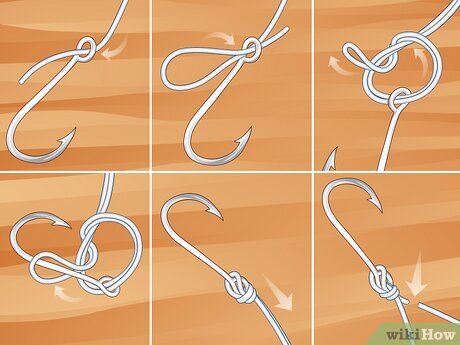
Improved Clinch Knot
The improved clinch knot is simple and strong. It works well for light to medium fishing lines and swivels.
To tie this knot, first thread the line through the swivel eye. Then wrap the tag end around the main line five to seven times.
- Pass the tag end through the small loop near the swivel eye.
- Pull the tag end through the big loop made just now.
- Moisten the knot with water or saliva.
- Tighten the knot by pulling the main line and tag end.
- Trim the tag end close to the knot.
Palomar Knot
The Palomar knot is very strong and easy to tie. It works well with braided and monofilament lines.
Fold the line to make a loop. Pass this loop through the swivel eye before tying the knot.
- Make a double line and pass it through the swivel eye.
- Tie a loose overhand knot with the doubled line.
- Pass the swivel through the loop of the overhand knot.
- Pull both ends of the line slowly to tighten the knot.
- Cut any extra tag end close to the knot.
Uni Knot
The Uni knot is versatile and strong. It works well for many types of fishing lines and swivels.
Start by passing the line through the swivel eye. Then wrap the tag end around the main line several times.
- Pass the tag end through the swivel eye and back through the loop.
- Wrap the tag end around the main line five to six times.
- Pull the tag end to tighten the coils down to the swivel eye.
- Pull the main line to secure the knot tight.
- Trim the tag end close to the knot.
Tips For Stronger Knots
Tying a swivel to your fishing line needs care. A strong knot stops the swivel from slipping off.
Use good techniques to make your knots tight and secure. This helps catch fish without losing gear.
Tightening Properly
Pull the knot slowly and evenly to tighten it. Fast pulling can weaken the knot or damage the line.
Keep the knot wet before tightening. Water reduces friction and stops the line from burning.
- Moisten the line and knot before pulling
- Pull the knot in steady, even steps
- Make sure the knot sits tightly against the swivel
Avoiding Line Twists
Twisted lines weaken your knot and cause tangles. Keep the line straight when tying the swivel.
Use swivels to reduce twists. If the line twists, untwist it before tying the knot again.
- Let the swivel spin freely before tightening
- Keep the fishing line straight and untwisted
- Check for twists after tying the knot
Testing Knot Strength
Check your knot before fishing. Pull the line hard to test if the knot holds.
If the knot slips or breaks, retie it. Strong knots keep your swivel and catch secure.
- Pull the line with firm pressure after tying
- Look for any slipping or loosening
- Retie if the knot feels weak
Common Mistakes To Avoid
Tying a swivel to a fishing line is a basic skill for anglers. Doing it wrong can cause lost fish or broken lines.
Below are common mistakes that anglers make. Avoiding these will help your fishing line hold strong.
Overlapping Lines
One common error is letting the lines overlap incorrectly when tying the knot. This weakens the connection.
- Make sure the tag end does not cross over itself too many times.
- Avoid twisting the line around itself in a messy way.
- Keep wraps neat and aligned to ensure a tight knot.
Insufficient Tightening
Not pulling the knot tight enough is another mistake. A loose knot can slip or come undone.
| Effect | Cause | Fix |
|---|---|---|
| Slipping knot | Loose tightening | Pull firmly and evenly |
| Line damage | Uneven tightening | Pull slowly, avoid jerks |
| Knot failure | Not wetting line | Wet line before tightening |
Ignoring Line Condition
Using old or damaged line to tie the swivel causes weak knots. Inspect your line before tying.
- Check for frays or cuts along the line.
- Do not use line that feels stiff or brittle.
- Replace the line if it looks worn out.
Maintaining Your Knots
Keeping your knots in good condition is key to safe fishing. Regular care prevents line breaks and lost fish.
Check your knots often, especially after catching a fish or snagging. This helps you spot problems early.
Regular Checks
Inspect knots for signs of wear. Look for fraying, loosening, or slipping. These signs mean the knot may fail soon.
- Feel the knot for roughness or weak spots
- Look closely for broken strands or damage
- Check if the knot moves or slips under tension
- Test the knot with a gentle pull before fishing
Replacing Worn Knots
Replace knots that show any damage. Do not risk fishing with weak knots. Tie new knots to stay safe.
| Signs of Worn Knots | Action |
| Frayed or broken line | Cut and retie knot |
| Loose or slipping knot | Retie knot tightly |
| Visible damage or roughness | Replace knot immediately |
| Knots older than one fishing trip | Consider replacing for safety |

Credit: www.youtube.com
Frequently Asked Questions
How Do I Tie A Swivel To Fishing Line Properly?
To tie a swivel, thread the line through the swivel eye. Use a strong knot like the improved clinch knot. Moisten the knot before tightening. Pull firmly to secure. Trim excess line for a clean finish.
Why Use A Swivel When Fishing?
Swivels prevent line twisting and tangling. They allow the lure or bait to spin freely. This improves bait presentation and reduces line damage. Using a swivel increases fishing efficiency and helps avoid frustrating snags.
What Is The Best Knot For Tying A Swivel?
The improved clinch knot is best for tying swivels. It’s strong, easy to tie, and reliable. It holds well under tension and resists slipping. This knot ensures your swivel stays securely attached during fishing.
Can I Use Any Fishing Line With A Swivel?
Yes, swivels work with most fishing lines, including monofilament, fluorocarbon, and braided lines. Choose a swivel size appropriate for your line strength. Proper knot tying ensures a secure connection regardless of line type.
Conclusion
Tying a swivel to your fishing line is simple and important. A good knot keeps your line strong and stops it from twisting. Practice the steps slowly to get it right every time. Use the right knot for your fishing style.
This small skill can make your fishing trips better and more fun. Keep trying, and you will see the difference on the water. Remember, patience and practice bring success in fishing.