Are you tired of losing your weight or having it slip down your fishing line? Knowing how to tie weight onto your fishing line properly can make a huge difference in your fishing experience.
It helps you cast further, keeps your bait at the right depth, and improves your chances of catching fish. You will discover simple, step-by-step techniques that anyone can master quickly. By the end, you’ll feel confident and ready to fish like a pro.
Keep reading to learn the secrets that will change the way you fish forever.
Choosing The Right Weight
Adding the right weight to your fishing line helps you cast farther and keep your bait at the right depth.
Choosing the correct weight depends on the type of fishing and the water conditions you face.
Types Of Fishing Weights
Fishing weights come in different shapes and sizes. Each type works best for certain fishing styles and locations.
- Split Shot:Small round weights that pinch onto the line. Good for light fishing and small baits.
- Sinker:Larger, teardrop-shaped weights. They help in casting far and holding bait steady in strong currents.
- Egg Sinkers:Oval-shaped and slide freely on the line. Useful when you want the fish to feel less resistance.
- Pyramid Sinkers:Have a flat base and pointy tip. Ideal for sandy or rocky bottoms to hold the bait in place.
- Bullet Weights:Shaped like a bullet. Often used for fishing with soft plastic lures in heavy cover.
Selecting Weight Based On Fishing Conditions
Match your weight to the water and weather conditions for better control and more bites.
| Condition | Recommended Weight | Reason |
| Calm water | Light weights (1-5 grams) | Allows natural bait movement without scaring fish |
| Strong current | Heavier weights (10-30 grams) | Keeps bait stable and in place |
| Windy weather | Medium to heavy weights (5-20 grams) | Helps cast farther and resist wind drift |
| Deep water | Heavy weights (20+ grams) | Gets bait down quickly to target fish depth |
| Shallow water | Light weights (1-10 grams) | Prevents snagging and keeps bait near surface |

Credit: www.youtube.com
Preparing Your Fishing Line
Getting your fishing line ready is important for a successful fishing trip. A well-prepared line helps catch fish more easily.
Before adding weight, make sure your line is in good condition. This will help avoid any problems while fishing.
Checking Line Strength
Make sure your line is strong enough for the fish you want to catch. A strong line prevents breaking when a fish bites.
Inspect the line for any weak spots or damage. Replace the line if it looks worn out.
- Gently pull on the line to test its strength
- Check for any knots or tangles
- Look for frayed or thin areas
Trimming The Line
Trimming your fishing line is important for a fresh start. A clean line makes adding weight easier.
Cut off the old or damaged end of the line. This ensures you start with a strong section of line.
- Use scissors or a line cutter for a clean cut
- Leave enough line for tying knots
- Dispose of trimmed line properly to protect the environment
Popular Knot Techniques
Tying weight onto a fishing line is important for a good fishing setup. Using the right knot keeps your weight secure.
This guide covers three popular knots. These knots are easy to learn and strong for fishing.
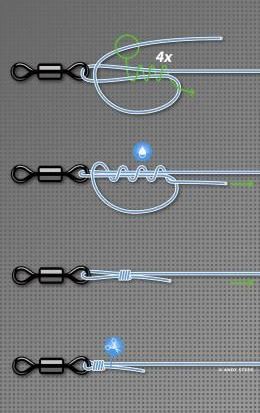
Improved Clinch Knot
The Improved Clinch Knot is a classic choice for tying weights. It holds well and is simple to tie.
To tie this knot, thread the line through the weight eye. Wrap the tag end around the main line five times.
- Pass the tag end through the small loop near the eye
- Then pass it through the big loop you just made
- Pull the tag end tight to secure the knot
Palomar Knot
The Palomar Knot is very strong and works well with braided lines. It keeps the weight from slipping.
Double the line and pass it through the weight eye. Tie a loose overhand knot with the doubled line.
- Pass the weight through the loop made by the overhand knot
- Pull both ends slowly to tighten the knot
- Trim the tag end close to the knot
Uni Knot
The Uni Knot is a versatile knot. It works well with many types of lines and weights.
Pass the line through the weight eye and make a loop. Wrap the tag end around the main line five times.
- Pull the tag end to form a small knot
- Slide the knot down to the weight eye
- Tighten the knot firmly and trim the tag end

Credit: www.youtube.com
Step-by-step Weight Tying
Tying weight onto your fishing line helps cast better and reach the right depth.
Follow these simple steps to attach and secure the weight properly for a safe fishing experience.
Attaching The Weight
Start by selecting the right weight for your fishing needs. Slide the weight onto the line carefully before tying the knot.
- Thread the fishing line through the eye of the weight.
- Move the weight to the desired spot on the line.
- Hold the weight steady while preparing to tie the knot.
Securing The Knot
Tying a strong knot is important to keep the weight from slipping off during fishing.
- Make a loop with the line around the weight.
- Wrap the end of the line around the main line 5 to 7 times.
- Pass the end through the loop and pull tight.
- Trim any excess line to avoid tangles.
Testing The Connection
Check the knot and weight to ensure they are secure before casting your line.
| Test Action | Expected Result |
| Pull the weight gently | No slipping or loosening |
| Shake the line | Weight stays firmly in place |
| Inspect the knot | No frayed or loose ends |
Tips For Perfect Casting
Tying weight onto your fishing line helps you cast farther and control the bait better. Using the right weight balance makes your fishing more effective.
Learning how to adjust the weight and casting distance improves your chances of catching fish. Small changes can make a big difference.
Balancing Weight And Bait
Choose a weight that matches the size of your bait. Too much weight can scare fish away. Too little weight can make casting hard.
Attach the weight close to the bait for better control. This balance helps the bait move naturally in the water.
- Use lighter weights for small, soft baits
- Heavier weights work best with larger, heavier baits
- Keep weight close to the hook to avoid tangles
Adjusting Casting Distance
To cast farther, increase the weight on your line. Heavier weights travel through the air better. But too much weight can reduce accuracy.
For shorter casts, use lighter weights. This helps you place the bait softly and avoid spooking fish near the shore.
- Start with medium weight and adjust by feel
- Use heavier weights on windy days for better control
- Practice casting with different weights to find your best distance
Common Mistakes To Avoid
Tying weight onto your fishing line may seem simple. Yet, many anglers make small mistakes. These errors can cause lost fish or broken lines.
Here are two common mistakes to watch for. Fixing these will help your fishing experience.
Loose Knots
Loose knots cause the weight to slip or come off. This can happen if you don’t pull the knot tight enough. A knot that is not snug will not hold under tension.
- Always wet the knot before tightening. This reduces friction and helps the knot tighten properly.
- Pull the knot firmly until it is tight against the weight.
- Use a good knot type, like the Palomar or Improved Clinch knot.
- Check the knot by tugging on the line before casting.
Incorrect Weight Selection
Choosing the wrong weight can hurt your fishing. Too heavy or too light weights affect casting and fish biting.
| Weight Size | Best Use | Common Mistake |
| Light (1-5 grams) | Calm waters, small fish | Using in strong currents |
| Medium (6-15 grams) | General fishing, moderate currents | Using in very deep water |
| Heavy (16+ grams) | Deep water, strong currents | Using in shallow water |

Credit: www.youtube.com
Frequently Asked Questions
How Do I Tie A Weight To Fishing Line Securely?
Use a clinch knot for secure attachment. Thread the line through the weight’s eye, wrap it around five times, then pass the end through the loop. Tighten firmly to ensure the weight stays in place during casting and fishing.
What Type Of Knot Is Best For Fishing Weights?
The improved clinch knot is best for attaching fishing weights. It’s strong, reliable, and easy to tie. This knot prevents slipping and keeps the weight firmly attached, enhancing your fishing experience.
Can I Tie A Weight Without Special Tools?
Yes, you can tie a weight without tools. Use your fingers to thread and wrap the line properly. Practice the clinch knot to ensure a tight, secure connection without needing additional equipment.
How Much Weight Should I Use On Fishing Line?
Choose weight based on fishing conditions and target fish size. Light weights suit calm waters and small fish, while heavier weights are for strong currents or bigger fish. Adjust accordingly for optimal casting and bait presentation.
Conclusion
Tying weight onto your fishing line helps you cast farther and fish better. Use simple knots that hold tight and do not slip. Practice a few times to get comfortable. Choose the right weight for your fishing spot and fish type.
Remember, a secure knot keeps your gear safe and your catch strong. Keep your line neat and check knots often. With these tips, you can enjoy fishing more and catch more fish. Give it a try next time you go fishing!