If you want to improve your fishing game, knowing how to tie weight onto your fishing line is a skill you can’t skip. The right knot keeps your weight secure, helping your bait reach the perfect depth and stay steady in the water.
But tying it wrong? That means lost tackle and missed catches. You’ll learn simple, step-by-step methods to tie your weights quickly and confidently. Ready to fish smarter and catch more? Keep reading—your next big catch depends on it.

Credit: www.youtube.com
Choosing The Right Weight
Tying the right weight onto your fishing line helps control how deep your bait sinks. It also keeps your line steady in the water. Picking the right weight depends on the type of fishing and water conditions.
Using the wrong weight can make your line drift or your bait stay too close to the surface. This guide explains common fishing weights and how to match them to your fishing spot.
Types Of Fishing Weights
Fishing weights come in many shapes and sizes. Each type serves a different purpose in your fishing setup.
- Split Shot:Small round weights that pinch onto the line. Good for light fishing and delicate presentations.
- Sinker:Larger weights shaped like balls or eggs. They help your bait sink faster in deeper water.
- Bullet Weight:Slim and smooth, designed to slide through weeds easily. Often used in bass fishing.
- Pyramid Weight:Shaped like a pyramid to hold the line steady in strong currents.
- Bank Sinkers:Long and narrow, they help in casting further and staying anchored in rough water.
Matching Weight To Fishing Conditions
The water type, current speed, and fishing depth affect how much weight you need. Choose a weight that lets your bait reach the right depth without dragging the line too much.
| Water Condition | Recommended Weight |
| Calm, shallow water | Light weights (1/16 to 1/8 oz) |
| Moderate current or deeper water | Medium weights (1/4 to 1/2 oz) |
| Strong current or deep fishing | Heavy weights (3/4 oz and up) |
| Weedy or rocky areas | Bullet or pyramid weights for smooth movement |

Credit: www.youtube.com
Essential Tools And Materials
Learning how to tie weight onto a fishing line requires the right tools and materials. Having these essentials will make the process easier and more effective.
In this guide, we will explore different types of fishing lines and recommended knots for attaching weights. With these tips, you’ll be ready for your next fishing trip.
Fishing Line Types
Choosing the right fishing line is crucial for a successful fishing experience. Different types of lines serve different purposes and fishing environments.
- Monofilament:Flexible and easy to handle, suitable for beginners.
- Braided:Strong and thin, ideal for deep-sea fishing.
- Fluorocarbon:Nearly invisible underwater, perfect for clear waters.
Recommended Knots For Weights
Using the right knots can secure weights effectively to your fishing line. Here are some knots that are commonly recommended.
| Knot Type | Best Use |
| Improved Clinch Knot | General purpose, strong hold |
| Palomar Knot | Easy to tie, very strong |
| Dropper Loop Knot | Ideal for attaching weights |
Preparing The Line
Before tying weight onto your fishing line, proper preparation is key. Taking time to prepare the line helps ensure a strong, secure knot.
Two important steps are trimming and inspecting the line, then moistening it before tying. Each step improves the knot’s strength and durability.
Trimming And Inspecting The Line
Check the fishing line for any damage like frays or weak spots. Trim the end cleanly before tying the weight. A neat cut makes the knot tighter and more reliable.
- Look for cracks or splits in the line
- Remove any old knots or tangles
- Cut the end straight using sharp scissors or a line cutter
- Ensure the trimmed end is smooth and even
Moistening The Line Before Tying
Moisten the line before tightening the knot to reduce friction. This prevents heat build-up that can weaken the line and cause breaks.
| Method | Description | Benefit |
| Use Water | Dip finger in water and wet the line | Reduces friction and heat |
| Use Saliva | Moisten the line with saliva before pulling | Simple and quick option |
| Use Line Conditioner | Apply a small amount on the knot area | Improves knot strength and line longevity |
Step-by-step Knot Techniques
Tying weight onto a fishing line is important for a good fishing setup. Using the right knot keeps the weight secure and helps you fish better.
This guide shows easy steps for three popular knots. Each knot works well for different types of fishing lines and weights.
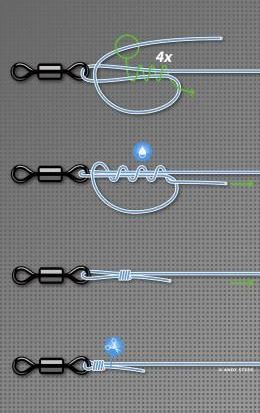
Improved Clinch Knot
The Improved Clinch Knot is strong and simple. It works well with monofilament and fluorocarbon lines to tie weights securely.
Follow these steps to tie it:
- Thread the line through the weight’s eye.
- Wrap the tag end around the main line 5-7 times.
- Pass the tag end through the small loop near the eye.
- Then, pass the tag end through the big loop just created.
- Wet the knot with water or saliva.
- Pull the main line slowly to tighten the knot.
- Trim the tag end close to the knot.
Palomar Knot
The Palomar Knot is very strong and easy to tie. It works great for braided and monofilament lines and keeps weights from slipping.
Here is how to tie it:
- Double about 6 inches of line and pass it through the weight’s eye.
- Tie a loose overhand knot with the doubled line.
- Pass the weight through the loop of the overhand knot.
- Wet the knot with water or saliva.
- Pull both the tag end and main line to tighten.
- Cut the tag end close to the knot.
Uni Knot
The Uni Knot is versatile and easy to adjust. It works with many types of lines and is good for tying weights or hooks.
Steps to tie the Uni Knot:
- Pass the line through the weight’s eye and double back.
- Make a loop by laying the tag end alongside the main line.
- Wrap the tag end around both lines 5-6 times.
- Pass the tag end through the loop near the eye.
- Wet the knot before tightening.
- Pull the main line to slide the knot tight against the weight.
- Trim the tag end close to the knot.
Securing The Weight
Tying weight onto a fishing line helps your bait sink properly. Secure the weight tightly to avoid losing it.
Different weights attach in different ways. Learn how to secure split shot weights and sliding sinkers.
Attaching Split Shot Weights
Split shot weights are small and easy to clip on your fishing line. They pinch the line to stay in place.
To attach, open the split shot slightly, place it on the line, and squeeze it closed with pliers. Place it close to the hook for better bait control.
- Use pliers for a tight grip
- Pinch gently to avoid line damage
- Space split shots evenly if using many
Using Sliding Sinkers
Sliding sinkers move freely on the line. They help fish bite without feeling the weight.
Thread the sinker onto the line before tying the hook. Add a small bead after the sinker to protect the knot.
- Slide sinker onto main line first
- Add a bead to prevent sinker from hitting the knot
- Tie the hook securely after the bead
Testing Knot Strength
Tying weight onto fishing line needs a strong knot. Testing knot strength helps prevent losing fish.
Checking your knot before fishing saves time and gear. Use simple tests to make sure it holds.
Pull Test Method
Pull the knot hard to check its strength. Hold the line and pull the knot tight.
If the knot slips or loosens, it needs to be tied again. Repeat the test until it holds firmly.
- Hold the line near the knot.
- Pull the line with steady force.
- Watch if the knot moves or slips.
- Retie if the knot fails the test.
Signs Of A Weak Knot
Look for loose loops or uneven wraps. These signs mean the knot may break easily.
Other signs include line damage or slipping under pressure. Replace weak knots before fishing.
- Knot moves when pulled.
- Line frays near the knot.
- Loops are uneven or loose.
- Knot slips off the weight.
Tips For Knot Maintenance
Keeping your fishing knots strong is important for a good catch. Regular care helps avoid lost fish and broken lines.
Simple checks and timely replacements keep your knots reliable and safe on every fishing trip.
Regular Line Checks
Check your fishing line and knots before each use. Look for signs of wear or damage that could cause failure.
- Look for frayed or thin spots near the knot.
- Feel the knot to ensure it is tight and not slipping.
- Check if the line around the knot is stiff or cracked.
- Pull lightly to test the knot’s strength.
Replacing Old Knots
Replace knots that show wear or have been used for a long time. Old knots can weaken and break unexpectedly.
| Condition | Action |
|---|---|
| Frayed line near knot | Cut off old knot and retie with fresh line |
| Loose or slipping knot | Untie and tie a new, tighter knot |
| Stiff or cracked line | Replace the section of line and knot |
| Knots used many times | Retie before next fishing session |

Credit: www.youtube.com
Frequently Asked Questions
How Do I Tie Weight Onto Fishing Line Securely?
To tie weight securely, use the improved clinch knot or Palomar knot. These knots ensure a strong hold without slipping. Wet the line before tightening to prevent damage. Trim excess line for a neat finish. Proper knot technique keeps weights stable during casting and fishing.
What Type Of Knot Is Best For Attaching Weights?
The improved clinch knot is most popular for attaching weights. It offers strength and reliability for various fishing lines. The Palomar knot is another excellent option, especially for braided lines. Both knots are easy to learn and provide secure attachment for fishing weights.
Can I Tie Weights On Any Fishing Line Type?
Yes, weights can be tied on monofilament, fluorocarbon, and braided lines. Choose a knot suitable for your line type to ensure strength. Adjust knot tightness and technique based on line thickness. Proper knot selection prevents slipping and line damage during fishing.
How Much Weight Should I Use For Fishing Line?
Select weight based on fishing conditions and target fish size. Lighter weights suit shallow or calm waters, while heavier ones work in deep or fast currents. Balance weight with line strength to avoid breakage. Testing different weights helps find the best setup for your fishing needs.
Conclusion
Tying weight onto a fishing line is easy with the right steps. Use simple knots to keep weights secure and steady. This helps your bait sink to the right spot fast. Practice a few times to gain confidence. Good knot skills improve your fishing success and fun.
Remember, neat and tight knots last longer in water. Keep your line strong and ready for any catch. Try different weights to find what works best for you. Enjoy your time fishing with these handy tips!