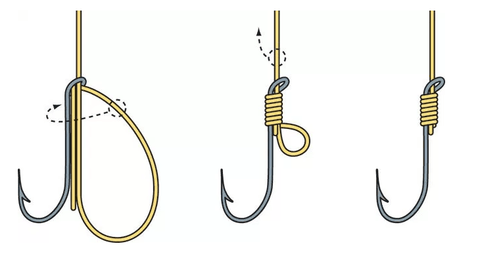
Are you tired of losing fish because your fishing line feels loose or slack? Tightening your fishing line the right way can make all the difference between a successful catch and a frustrating day by the water.
Whether you’re a beginner or have some experience, knowing how to properly tighten your line will improve your control, increase your chances of landing that big fish, and protect your gear from damage. Keep reading, and you’ll discover simple, effective tips that you can use right away to get your fishing line perfectly tight every time.

Credit: www.youtube.com
Choosing The Right Line
Picking the right fishing line helps you catch fish better. The line must be strong, smooth, and fit your fishing style.
Knowing the types, strength, and material will guide your choice. This helps tighten the line correctly for a good catch.
Types Of Fishing Line
There are main types of fishing lines. Each type works best in different fishing conditions and methods.
- Monofilament: Flexible and easy to handle. Good for beginners.
- Fluorocarbon: Hard to see in water. Great for clear water fishing.
- Braid: Very strong and thin. Best for heavy cover and long casts.
Line Strength And Diameter
Strength tells how much weight the line can hold before breaking. Diameter affects how the line moves in water.
| Line Strength (lb) | Diameter (inches) | Use |
| 4-6 | 0.008 – 0.012 | Light fishing, small fish |
| 8-12 | 0.014 – 0.018 | Medium fishing, bass, trout |
| 14-20 | 0.020 – 0.028 | Heavy fishing, big fish |
Material Considerations
Material affects line stretch, visibility, and durability. Choose based on where and how you fish.
- Monofilament stretches more, good for shock absorption.
- Fluorocarbon sinks faster and is less visible underwater.
- Braid has little stretch and high sensitivity.
Preparing Your Equipment
Tightening your fishing line starts with getting your gear ready. Good preparation helps you fish better and avoid problems.
Before adjusting the line, check your reel, rod, and line condition. Clean and set them properly for best results.
Inspecting The Reel And Rod
Look over your reel and rod for any damage or wear. Small problems can cause line slack or breaks.
Check the reel’s drag system and handle. Make sure the rod guides are tight and not bent.
- Spin the reel to feel for smooth movement
- Look for cracks or dents on the rod
- Check if guides are aligned and secure
- Test the drag system for proper resistance
Cleaning The Line And Guides
Dirty line or guides reduce line tension and casting distance. Clean them before tightening the line.
Use a soft cloth to wipe the fishing line. Clean the guides with a damp cloth or cotton swab.
- Remove dirt and salt from the line
- Clear debris from rod guides
- Dry the line and guides fully before use
Selecting Proper Tension Settings
Set the reel’s tension so the line is tight but not too hard to pull. This keeps your line strong and ready.
Adjust drag and spool tension according to the type of fish and line you use. This helps prevent line breaks.
- Start with medium drag tension
- Tighten spool tension to avoid slack
- Test by pulling the line manually
- Make small adjustments for balance
Step-by-step Tightening Techniques
Tightening your fishing line is important to avoid tangles and improve casting. This guide shows simple ways to make your line tighter.
Try each technique carefully to find what works best with your fishing gear. Proper tension helps you catch fish more easily.
Manual Line Tightening
Manual tightening means adjusting the line by hand before you start fishing. This is a quick way to remove slack and keep the line firm.
- Hold the rod with one hand firmly.
- With your other hand, pull the line gently but firmly away from the reel.
- Keep the line tight as you wind the reel handle slowly.
- Repeat pulling and winding until the line feels tight and smooth.
- Check that the line moves freely without slack or bunching.
Using The Reel Drag
The reel drag controls how much tension the fish feels when it pulls the line. Adjusting it can tighten the line correctly during fishing.
| Drag Setting | Effect on Line |
| Low | Line pulls easily, less tension |
| Medium | Balanced tension for most situations |
| High | Tight line, strong resistance for big fish |
Turn the drag knob slowly while testing the line pull. Stop when the line feels firm but can still give a little.
Adjusting The Spool Tension
Spool tension controls how fast the line comes off the reel. Proper spool tension keeps the line tight and prevents loose loops.
| Tension Level | Best Use |
|---|---|
| Low | Light lures, slow casts |
| Medium | General fishing, balanced control |
| High | Heavy lures, strong wind |
- Adjust the tension knob near the spool.
- Test by letting the lure drop; the line should come off smoothly.
- If the line pulls out too fast, increase tension.
- If it is hard to pull, decrease tension.

Credit: www.amazon.com
Preventing Line Slack
Tight fishing line helps you catch fish better. Slack line can cause missed bites and tangles. Keeping the line tight improves control and hook setting.
This guide shows how to prevent slack by keeping tension, avoiding twists, and securing knots well.
Maintaining Consistent Tension
Keep your fishing line tight while casting and retrieving. Use your fingers or a line tensioner to keep steady pressure.
Never let the line go loose. Loose line can cause slack and increase the chance of tangles or missed fish.
- Hold the line firmly but gently
- Adjust your reel drag for steady tension
- Watch the line during casting and retrieval
Avoiding Line Twist
Line twist can create slack and weaken your fishing line. Avoid twist by using the correct reel and line type.
Check your spool and guides to reduce line twist. Let the line fall freely during the cast to prevent kinks.
- Use swivel hooks to reduce twisting
- Spool the line evenly on the reel
- Check for knots that cause twists
Securing Knots Effectively
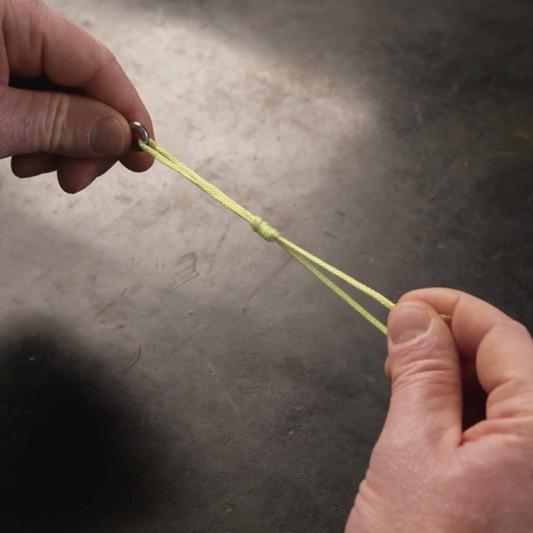
Tightly tied knots keep your fishing line strong and prevent slack. Make sure knots are neat and pulled tight.
Wet the line before tightening knots. This reduces friction and helps the knot set properly without damage.
- Use strong, easy-to-tie knots like the Palomar or Improved Clinch
- Trim knot ends close but not too short
- Test knots by pulling hard before fishing
Troubleshooting Common Issues
Tightening your fishing line is key to a better catch. Sometimes, issues like slipping, loose knots, or stretch can cause trouble.
Fixing these problems helps keep your line strong and reliable. Below are tips to solve common line troubles.
Dealing With Line Slippage
Line slippage happens when the line moves on the spool or knot. This can reduce control and casting accuracy.
- Check if the spool is clean and dry before winding the line.
- Tighten the drag system properly to hold the line firmly.
- Use proper knots that grip the line well, like the Palomar knot.
- Wrap the line evenly on the spool to prevent loose coils.
- Consider using backing line for better grip on the spool.
Fixing Loose Knots
Loose knots can cause your line to slip or break. A tight knot holds better and lasts longer.
| Common Knot | Cause of Looseness | Fix |
| Improved Clinch | Too few wraps | Add 5–7 wraps around the line |
| Palomar | Knot not tightened fully | Pull ends firmly and wet the knot before tightening |
| Uni Knot | Line not seated properly | Make sure wraps are neat and pull slowly |
Addressing Line Stretch
Line stretch reduces sensitivity and hook-setting power. Some stretch is normal, but too much can be a problem.
Tips to reduce line stretch:
- Use low-stretch lines like fluorocarbon or braided lines.
- Check for damage or wear that can increase stretch.
- Replace old lines regularly to keep strength.
- Tighten the line before casting to remove slack.
- Avoid over-stretching by not pulling too hard quickly.
Advanced Tips For Secure Casting
Tightening your fishing line improves control and accuracy. It helps you cast with confidence and catch more fish.
Learn these advanced tips to keep your line tight and ready for any fishing challenge.
Optimizing Cast Distance
Proper line tension affects how far your bait will fly. Too loose, and you lose power. Too tight, and you risk breaking the line.
- Check your reel’s drag setting to avoid slack.
- Keep a firm grip on the rod but stay relaxed.
- Use smooth, steady motions during the cast.
- Practice releasing the line at the right moment.
- Regularly inspect your line for wear and replace if needed.
Handling Different Fish Species
Different fish require different line tension. Adjust your line tightness based on species size and strength.
| Fish Species | Recommended Line Tightness | Notes |
|---|---|---|
| Trout | Moderate | Keep line responsive but gentle to avoid snapping. |
| Bass | Firm | Use tighter line for quick strikes and strong pulls. |
| Catfish | Loose to Moderate | Allow some slack as catfish pull hard and often. |
| Saltwater Game Fish | Very Firm | Strong line tension needed to handle heavy runs. |
Using Line Conditioners
Line conditioners keep your fishing line smooth and less prone to tangling. They also protect it from sun damage and saltwater.
Apply line conditioner regularly to:
- Reduce friction on guides for longer casts
- Prevent line memory that causes loops and knots
- Extend the life of your fishing line
- Improve line strength and flexibility
Credit: www.llbean.com
Frequently Asked Questions
How Do I Tighten Fishing Line On A Spinning Reel?
To tighten fishing line on a spinning reel, start by pulling the line taut. Adjust the drag knob to increase tension. Re-spool if the line is loose, ensuring proper winding without overlaps. This improves casting accuracy and prevents tangles.
What Tools Help Tighten Fishing Line Effectively?
Common tools include line tensioners, pliers, and reel drag systems. Line tensioners help maintain steady pressure while spooling. Pliers assist in securing knots tightly. Proper use of reel drag ensures consistent line tension during fishing.
Why Is Fishing Line Tension Important?
Fishing line tension prevents slack that causes tangles and missed catches. Proper tension improves casting distance and control. It also helps detect bites quickly, enhancing your overall fishing experience.
Can I Tighten Fishing Line Without Removing It?
Yes, you can tighten fishing line by adjusting the reel’s drag system. Pull the line gently to remove slack. Rewind the line manually to create tension if necessary, avoiding full removal.
Conclusion
Tightening your fishing line is essential for a successful catch. Proper tension prevents tangles and line breakage. Start by securing the knot tightly. Check the line’s tension regularly. Adjust when necessary. Practice makes perfect. With time, you’ll get the hang of it.
Remember, patience is key in fishing. Enjoy the tranquility and excitement it brings. Keep these tips in mind for your next fishing trip. You’ll be ready for any challenge. Happy fishing!