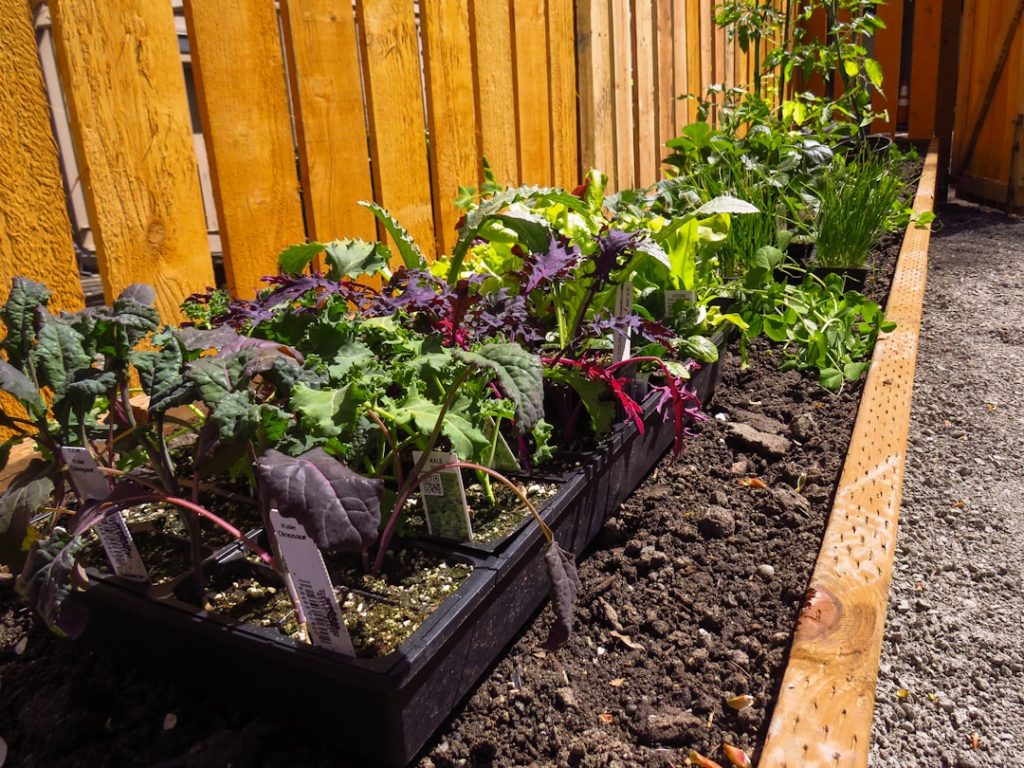
Are you ready to transform your raised bed garden into a thriving oasis? Knowing how to till your raised bed properly is the first step toward healthier plants and bigger harvests.
But tilling isn’t just about turning the soil—it’s about preparing the perfect environment for your seeds to grow strong. You’ll discover simple, effective techniques that make tilling easy and rewarding. Keep reading, and you’ll learn how to give your garden the best start possible, even if you’re a complete beginner.
Your garden’s success starts right here!

Credit: savvygardening.com
Benefits Of Tilling Raised Beds
Tilling a raised bed garden helps prepare the soil for planting. It breaks up hard soil and mixes in organic matter.
This process improves the overall health of the soil. It makes it easier for plants to grow strong and healthy.
Improving Soil Aeration
Tilling loosens the soil and creates air pockets. These pockets allow roots to get oxygen. Good aeration helps soil microbes thrive.
Better aeration also improves water drainage. It stops water from pooling and causing root rot.
Enhancing Nutrient Absorption
Tilling mixes nutrients throughout the soil. This helps plant roots reach food easily. It also blends in compost and fertilizers well.
- Distributes nutrients evenly
- Increases root contact with nutrients
- Supports healthy plant growth
- Helps break down organic matter
Controlling Weeds Effectively
Tilling disturbs weed roots and seedlings. This prevents weeds from growing strong. It reduces competition for water and nutrients.
| Weed Control Method | Effect on Weeds |
| Tilling | Breaks roots and buries seeds |
| Mulching | Blocks light and growth |
| Hand Pulling | Removes mature plants |
Choosing The Right Tools
Tilling a raised bed garden well needs the right tools. Picking proper tools helps you prepare soil easier and faster. This guide covers the main tool choices for your garden.
Good tools reduce effort and improve your garden’s health. Learn about hand tillers, power tillers, essential tools, and how to keep them in shape.
Hand Tiller Vs. Power Tiller
Hand tillers are small and light. They work well in small raised beds and tight spaces. Power tillers are larger and use engines. They save time on bigger beds but need more care.
| Tool Type | Best For | Advantages | Disadvantages |
| Hand Tiller | Small beds | Easy to use, low cost, quiet | Needs more physical effort |
| Power Tiller | Large beds | Fast, less effort, deeper tilling | Heavy, noisy, needs fuel |
Essential Garden Tools
Besides tillers, other tools help keep your raised bed healthy. These tools make planting and soil care easier.
- Garden fork to loosen soil and remove weeds
- Spade for digging and moving soil
- Hoe for breaking up soil crust and shaping beds
- Rake to level soil and clear debris
- Gloves to protect hands
- Watering can or hose for watering plants
Tool Maintenance Tips
Keep tools clean and sharp to last longer. Proper care helps tools work better and protects your garden.
- Wash tools after each use to remove dirt and sap
- Dry tools well to avoid rust
- Sharpen blades with a file or sharpening stone
- Oil metal parts to prevent corrosion
- Store tools in a dry, covered place
Preparing The Raised Bed
Getting your raised bed ready for planting is important. This process ensures your plants have the best start.
Follow these simple steps to prepare your garden bed effectively.
Clearing Debris And Weeds
First, remove any debris and weeds from your raised bed. This helps create a clean area for your plants to grow.
- Pull out weeds by hand
- Use a rake to gather leaves and debris
- Dispose of waste away from the garden
Checking Soil Moisture Levels
Soil moisture is key for healthy plants. Check the moisture level before tilling the soil.
| Moisture Level | Action |
| Too Dry | Add water |
| Too Wet | Allow to dry |
| Just Right | Proceed with tilling |
Marking Tilling Boundaries
Mark the area you want to till. This ensures that you do not disturb the entire bed.
Use string or small flags to define your tilling area. This helps you stay organized and efficient.

Credit: www.youtube.com
Step-by-step Tilling Process
Tilling a raised bed garden prepares the soil for planting. It helps improve soil texture and promotes healthy plant growth.
Follow these steps to till your raised bed properly. Each step focuses on a key task to make your soil ready.
Loosening The Topsoil
Start by loosening the topsoil with a garden fork or tiller. This breaks up compacted soil and allows air and water to reach roots.
- Use a garden fork to poke holes about 8 inches apart.
- Lift and turn the soil gently to avoid harming soil life.
- Remove any large stones or debris while working.
Incorporating Organic Matter
Add organic matter like compost or aged manure to enrich the soil. This improves nutrient content and soil structure.
| Type of Organic Matter | Benefits |
| Compost | Provides nutrients and improves moisture retention |
| Aged Manure | Increases fertility and soil aeration |
| Leaf Mold | Enhances soil texture and microbial life |
Breaking Up Soil Clumps
After adding organic matter, break up remaining soil clumps. This makes the soil smooth and easy for roots to grow.
- Use a rake or hoe to break large clumps into smaller pieces.
- Work the soil until it feels crumbly and loose.
- Check for any remaining hard spots and break them up.
Maintaining Soil Health Post-tilling
Tilling a raised bed garden loosens the soil and helps remove weeds. After tilling, it is important to care for the soil. Healthy soil supports strong plant growth and good harvests.
Proper steps after tilling keep the soil rich and full of nutrients. This helps plants get the food and water they need.
Adding Compost And Fertilizers
Add compost to improve soil texture and add nutrients. Compost helps soil hold water and air, which plants need.
Use natural fertilizers to give plants extra nutrients. Avoid too much fertilizer, as it can harm soil life.
- Mix compost evenly into the top 6-8 inches of soil
- Apply fertilizers according to plant needs and package instructions
- Choose organic options for long-term soil health
Mulching Techniques
Mulch covers the soil surface to keep moisture in and stop weeds from growing. Mulch also protects soil from erosion.
Use straw, leaves, or grass clippings as mulch. Spread a layer 2-3 inches thick around plants but keep mulch away from stems.
- Use organic mulches that break down and add nutrients
- Replace mulch yearly to keep it effective
- Check mulch regularly for pests or mold
Watering Best Practices
Water the raised bed deeply but less often. Deep watering encourages roots to grow strong and reach deeper in soil.
Water early in the morning or late in the evening to reduce evaporation. Avoid wetting leaves to prevent diseases.
- Check soil moisture before watering
- Use drip irrigation or soaker hoses for steady water
- Adjust watering based on weather and plant needs
Common Tilling Mistakes To Avoid
Tilling your raised bed garden helps prepare the soil for planting. Doing it right improves soil health and plant growth.
Some common mistakes can harm your garden instead. Avoid these errors to keep your soil fertile and healthy.
Over-tilling Risks
Too much tilling breaks down soil structure. It kills helpful microbes and earthworms. This leads to poor soil health.
- Soil becomes compacted and hard
- Loss of organic matter and nutrients
- Increased erosion and water runoff
- Plants get less oxygen and water
Ignoring Soil Structure
Good soil has a crumbly texture and clear layers. Tilling without checking soil structure can cause damage.
| Soil Layer | Effect of Tilling |
| Topsoil | Mixes organic matter but can dry out quickly |
| Subsoil | Breaking this layer harms roots and drainage |
| Hardpan | Disturbs compacted layers, but may cause erosion |
Tilling In Wet Conditions
Wet soil is soft and sticky. Tilling it can cause clumping and compaction.
- Wait until soil is dry enough to crumble
- Check soil moisture by squeezing a handful
- Use lighter tools or hand tilling
- Avoid heavy machinery on wet beds

Credit: migardener.com
Frequently Asked Questions
How Often Should I Till A Raised Bed Garden?
Tilling a raised bed garden is best done once or twice a year. Early spring and after harvest are ideal times. Avoid excessive tilling to preserve soil structure and beneficial organisms. Light turning helps aerate soil and mix in compost effectively.
What Tools Do I Need To Till Raised Beds?
A garden fork or hand tiller works best for raised beds. Avoid heavy machinery to prevent soil compaction. Gloves and a small rake also help. Use tools that allow gentle mixing of soil without disturbing plant roots.
Can Tilling Damage Raised Bed Soil Health?
Over-tilling can harm soil health by destroying microbes and structure. Light tilling improves aeration and nutrient mixing. Avoid tilling when soil is wet to prevent compaction. Balance tilling with adding organic matter to maintain soil vitality.
Should I Add Compost Before Or After Tilling?
Add compost before tilling to mix it thoroughly into the soil. This enhances nutrient distribution and soil texture. Incorporate compost during tilling to improve fertility and water retention. Avoid adding compost on top without mixing, as nutrients may not reach roots.
Conclusion
Tilling a raised bed garden helps prepare soil for healthy plants. It loosens the soil, making it easier for roots to grow. Regular tilling mixes in nutrients and removes weeds. Use simple tools and gentle methods to protect soil life.
Start early in the season for best results. Keep soil moist but not wet while tilling. A well-tilled bed leads to a better harvest. Try these steps and enjoy your garden’s growth. Gardening becomes easier and more fun with good soil care.