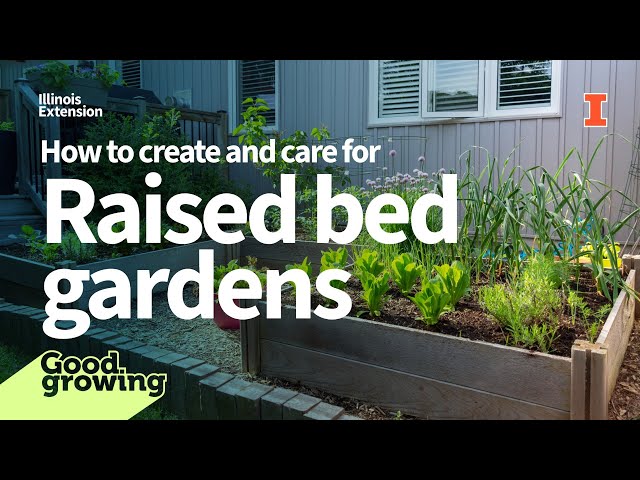
If you want your raised garden bed to thrive, knowing how to till it properly is key. Tilling prepares the soil, making it loose and rich, so your plants can grow strong and healthy.
But how do you do this without damaging your garden or wasting time? In this guide, you’ll discover simple steps that anyone can follow to till a raised garden bed effectively. Whether you’re a beginner or looking to improve your gardening skills, this article will give you the confidence to get your hands dirty and see your garden flourish.
Keep reading to unlock the secrets of perfect soil preparation!

Credit: www.sproutboxgarden.com
Benefits Of Tilling Raised Beds
Tilling a raised garden bed helps prepare the soil for planting. It breaks up compacted soil and mixes in organic matter.
This process makes it easier for plants to grow strong and healthy. Below are key benefits of tilling raised beds.
Improving Soil Structure
Tilling loosens the soil, making it less dense. This allows air and water to move through the soil better.
Good soil structure helps roots grow deeper and makes it easier for plants to get water and nutrients.
Enhancing Nutrient Availability
Tilling mixes nutrients evenly throughout the soil. It also helps break down organic materials faster.
- Distributes fertilizer and compost well
- Speeds up decomposition of plant waste
- Improves nutrient access for plant roots
- Reduces nutrient runoff and loss
Promoting Root Growth
Loose soil from tilling gives roots space to spread. It also reduces soil resistance that can block root movement.
| Benefit | Effect on Roots |
| Loosened Soil | Allows roots to grow deep and wide |
| Better Air Flow | Supports root respiration |
| Improved Water Movement | Prevents root rot and dryness |
| Even Nutrient Spread | Feeds roots evenly |

Credit: www.yahoo.com
Tools Needed For Tilling
Tilling a raised garden bed helps prepare the soil for planting. It breaks up hard soil and mixes in nutrients.
Using the right tools makes tilling easier and more effective. Different tools fit different garden sizes and soil types.
Hand Tiller Options
Hand tillers are small tools you use manually. They work well for small beds and light soil.
These tools help loosen soil without needing power. They let you control how deep you till.
- Garden fork – lifts and turns soil easily
- Hand cultivator – has three or four curved tines
- Hori Hori knife – good for cutting roots and breaking soil
- Hoe – breaks soil surface and removes weeds
Power Tillers
Power tillers are machines that dig and turn soil quickly. They are best for larger raised beds or tough soil.
These tools save time and effort. They have rotating blades that break the soil deeply.
- Electric tiller – light and easy to use
- Gas-powered tiller – strong for hard soil
- Cultivator – smaller and good for fine tilling
Additional Gardening Tools
Other tools help prepare and maintain your raised bed after tilling. They support healthy soil and plants.
Using these tools can make your gardening easier and more successful.
- Rake – smooths and levels the soil surface
- Garden gloves – protect hands while working
- Watering can or hose – moistens soil after tilling
- Wheelbarrow – moves soil and compost easily
Preparing The Bed Before Tilling
Preparing your raised garden bed before tilling sets a strong base for healthy plants. Proper preparation helps improve soil quality and plant growth.
Take time to clear debris, check moisture, and plan planting areas. These steps make tilling easier and more effective.
Clearing Debris And Weeds
Remove sticks, stones, and old plant material from the bed. Clear out weeds to reduce competition for nutrients and water.
- Pick up fallen leaves and twigs
- Pull out weeds by the roots
- Dispose of any dead plants
- Check corners and edges carefully
Checking Soil Moisture
Soil moisture affects how easy it is to till and how well plants grow. The soil should be damp but not wet before you till.
| Soil Condition | Tilling Advice |
| Dry and hard | Water the soil lightly a day before tilling |
| Damp and crumbly | Good to till now |
| Wet and sticky | Wait until it dries to avoid clumps |
Marking Planting Areas
Plan where each plant will go before tilling. Marking areas helps organize your garden and saves space.
Use these tips to mark planting spots:
- Measure bed dimensions with a tape
- Draw a simple grid using string or sticks
- Label rows for different plants with markers
- Keep walking paths clear for easy access
Step-by-step Tilling Process
Tilling a raised garden bed prepares the soil for planting. It helps mix nutrients and creates a good environment for roots.
This guide shows how to till your garden bed in easy steps. Follow these steps for healthy soil and better plants.
Loosening The Soil
Start by loosening the soil to make it easier to work with. Use a garden fork or tiller to gently lift the soil.
Loosening helps air and water reach plant roots. It also breaks up hard soil layers that block growth.
Turning The Soil
After loosening, turn the soil over to bring fresh soil to the top. Use a spade or shovel to flip the soil.
Turning the soil helps mix old and new soil layers. It also exposes pests to sunlight, reducing their numbers.
Breaking Up Clumps
Break large soil clumps into smaller pieces. Use your hands or a rake to crumble the soil evenly.
Small soil pieces create a smooth bed for planting. They also improve water drainage and root growth.
Incorporating Organic Matter
Add organic matter like compost or aged manure into the soil. Spread it evenly over the garden bed.
Mix the organic matter well into the soil. This adds nutrients and improves soil texture for healthy plants.
- Use about 2-3 inches of organic material
- Work it into the top 6-8 inches of soil
- Ensure it is well mixed for best results
Post-tilling Care
After tilling a raised garden bed, taking care of the soil is important. Proper care helps plants grow healthy and strong.
This guide covers how to level the soil, water the bed, and add mulch for the best results.
Leveling The Soil Surface
Use a rake to smooth the soil surface after tilling. This creates an even bed for planting. Level soil helps water spread evenly.
- Remove large clumps and debris
- Break up soil lumps gently
- Make the surface flat and smooth
- Check for low spots and fill them
Watering The Bed
Water the raised bed right after tilling to settle the soil and reduce dust. Use gentle water flow to avoid washing away soil.
Keep the soil moist, but not soaked, until plants are in the ground. Moist soil helps roots grow better.
Adding Mulch
Mulch protects the soil and keeps moisture in. It also stops weeds from growing in your raised bed.
| Mulch Type | Benefits |
| Wood chips | Slow to break down, good for long-term |
| Straw | Lightweight and easy to spread |
| Grass clippings | Rich in nitrogen but breaks down fast |
| Leaves | Readily available and natural |
Credit: www.ollegardens.com
Common Tilling Mistakes To Avoid
Tilling your raised garden bed helps prepare the soil for plants. It loosens the soil and makes it easier for roots to grow. But some mistakes can harm your soil.
Knowing what to avoid will keep your garden healthy. Here are common tilling mistakes and how to prevent them.
Over-tilling
Turning the soil too much can break down its structure. This causes soil to lose nutrients and hold less water. Over-tilling also kills helpful soil life like earthworms.
- Use tilling only when necessary, not every time you plant.
- Keep tilling shallow to protect soil layers.
- Mix organic matter gently instead of deep tilling.
Tilling When Soil Is Too Wet
Wet soil is sticky and heavy. Tilling it can cause clumps and compaction. This makes it hard for roots to grow and water to drain.
| Soil Condition | Effect of Tilling |
| Too Wet | Creates clumps and compacts soil |
| Ideal Moisture | Breaks soil gently and evenly |
| Too Dry | Hard to till and may cause dust |
Check soil before tilling. It should feel like a damp sponge, not muddy or dry.
Neglecting Soil Testing
Soil testing shows nutrients and pH levels. Without testing, you may add wrong fertilizers or miss needed ones. This can hurt plant growth.
- Test soil every 2 to 3 years.
- Use test results to choose fertilizers.
- Adjust soil pH with lime or sulfur as needed.
Alternatives To Tilling Raised Beds
Tilling can harm the soil structure in raised garden beds. It can disturb beneficial organisms and cause soil erosion. Many gardeners look for easier, gentler ways to prepare their beds.
This guide explains three popular alternatives to tilling. Each method helps improve soil health and plant growth without digging.
No-till Gardening
No-till gardening means not turning the soil at all. It keeps the natural layers and soil life intact. You simply add organic matter on top and let nature do the rest.
- Keep old plants and roots in place
- Add compost or mulch on the surface
- Plant directly into the mulch layer
- Avoid disturbing the soil with tools
Sheet Mulching
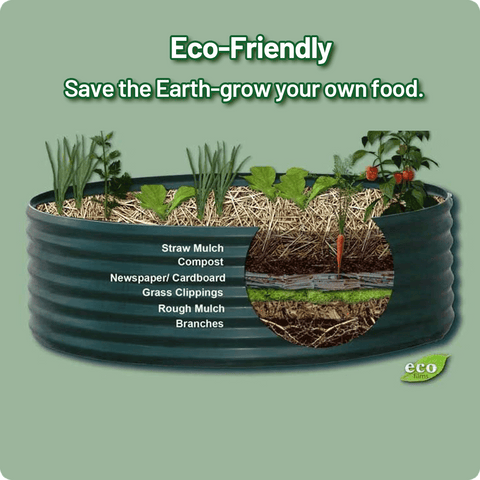
Sheet mulching builds a rich soil layer by layering materials. This method smothers weeds and feeds the soil as the layers break down. It works well for starting new beds or improving old ones.
| Layer | Material | Purpose |
| Bottom | Cardboard or newspaper | Blocks weeds |
| Middle | Compost or manure | Adds nutrients |
| Top | Straw, leaves, or wood chips | Keeps moisture and protects soil |
Using Cover Crops
Cover crops grow in your beds during off-season times. They protect soil from erosion and add nutrients. You cut them down before planting your main crops.
- Choose plants like clover, rye, or peas
- Plant after the last harvest
- Let them grow until they flower
- Cut and leave the plants on the soil surface
- Plant your vegetables into the cover crop mulch
Frequently Asked Questions
What Tools Are Needed To Till A Raised Garden Bed?
To till a raised garden bed, you’ll need a spade, a hoe, and a rake. These tools help in breaking up soil, removing debris, and leveling the surface for planting.
How Often Should I Till My Raised Garden Bed?
You should till your raised garden bed once a year, preferably in spring. This helps to aerate the soil, incorporate organic matter, and prepare it for planting.
Is It Necessary To Remove Weeds Before Tilling?
Yes, it’s essential to remove weeds before tilling your garden bed. This prevents them from spreading and competing with your plants for nutrients and space.
Can I Use A Tiller In A Small Raised Bed?
Using a tiller in a small raised bed is possible but may not be necessary. Hand tools like a spade or hoe are often sufficient for smaller spaces.
Conclusion
Tilling a raised garden bed helps prepare soil for healthy plants. It loosens soil, improves air flow, and mixes nutrients well. Use simple tools and gentle steps to avoid harming soil life. Keep soil moist but not soggy for best results.
Regular tilling supports strong roots and better growth. Start small, and enjoy watching your garden thrive. Good soil care leads to a happier, healthier garden.