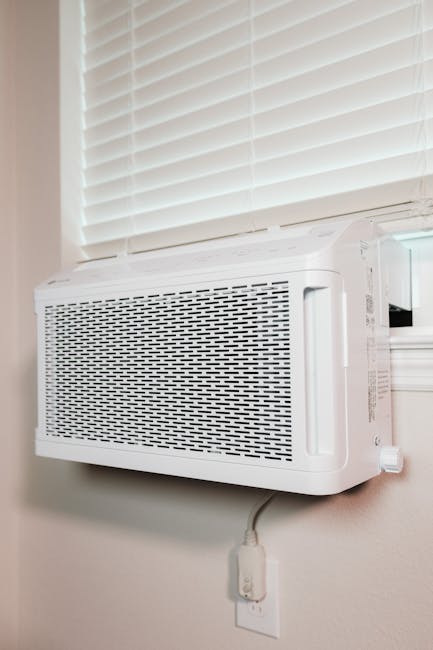
Are you struggling to get your window air conditioner to work just right? One simple trick can make a huge difference: tilting your unit properly.
When you know how to tilt your window air conditioner, you’ll improve its cooling power and prevent water leaks that can damage your home. In this guide, you’ll discover easy steps to tilt your air conditioner the right way, saving you time, money, and frustration.
Keep reading, and you’ll learn how a small adjustment can keep your room cooler and your home safer all summer long.
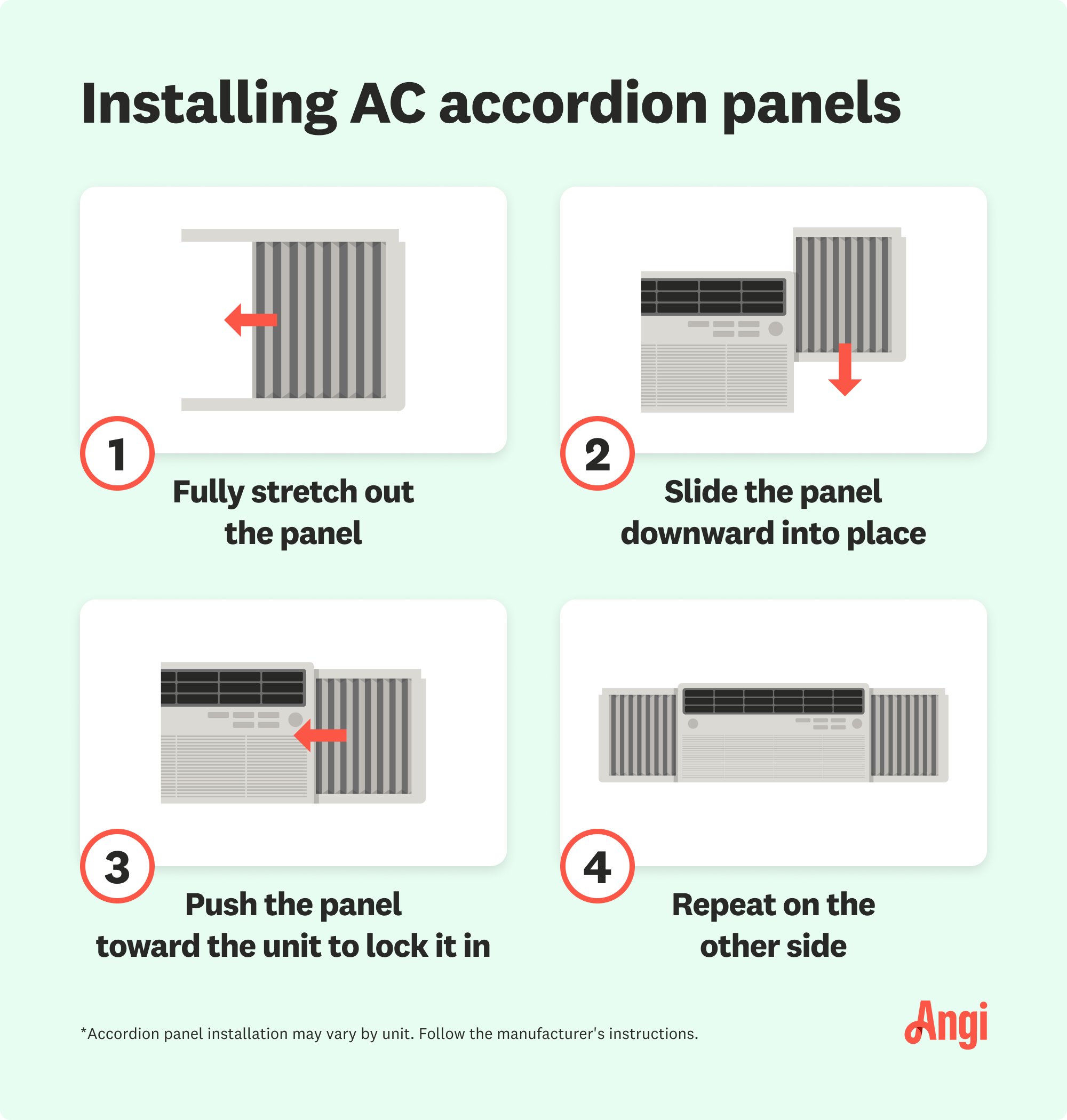
Credit: www.angi.com
Why Tilt Matters
Tiltaffects how water drains from the air conditioner. A slight tilt allows water to flow outside easily. Without tilt, water can pool inside the unit. This may cause damage or leaks.
Proper drainage keeps the unit working well. Standing water can block airflow and harm parts. It also stops the unit from cooling properly.
- Better drainageprevents water buildup.
- Reduces riskof water damage.
- Improves coolingby keeping airflow clear.
Tools You Need
A level, a screwdriver, and a support bracket help tilt a window air conditioner correctly. These tools ensure proper installation and drainage. Simple equipment makes the task easier and safer.
Basic Supplies
- Screwdriver:To remove or tighten screws on the AC unit.
- Level:Ensures the air conditioner is tilted correctly for drainage.
- Measuring Tape:Helps measure the tilt angle and space.
- Support Brackets:To hold the AC securely in place.
- Foam or Weather Stripping:Seals gaps around the unit to keep air tight.
Safety Gear
- Gloves:Protect your hands from sharp edges.
- Safety Glasses:Protect your eyes from dust and debris.
- Mask:Keeps dust and particles out of your lungs.
- Stable Ladder:Helps reach the window safely.
Preparing The Air Conditioner
Before tilting the window air conditioner, unplug the unitfrom the power source. This ensures safetywhile handling the device. Dust and dirt can block airflow and damage parts. Clean the filter and outer vents gently using a soft brush or cloth.
Removing the unit safely is key. Support the air conditioner firmly with both hands. Avoid sudden movements to prevent damage. If the unit is heavy, ask someone for help. Place the unit on a flat surface to avoid tilting too much and causing leaks.

Credit: www.youtube.com
Determining The Right Tilt Angle
Manufacturers often provide specific tilt anglesfor window air conditioners. Following these recommendationsensures proper drainageand efficient cooling. Check the user manual or product label for the correct tilt direction and degree.
Typical tilt angles help water flow outside and prevent leaks inside. Too much tilt can cause problems like water dripping indoors or poor cooling. Too little tilt may block drainage and cause damage.
| Manufacturer | Recommended Tilt Angle | Direction |
|---|---|---|
| Brand A | 1/4 inch to 1/2 inch | Outside |
| Brand B | 1/2 inch | Outside |
| Brand C | 1/8 inch | Outside |
Most window air conditioners tilt slightly downwardtoward the outside. This tilt range, about 1/8 to 1/2 inch, helps water drain well. It keeps your home dry and the air conditioner running smoothly.
Step-by-step Tilting Process
Place the air conditioner in the window frame with the unit slightly tilted outside. This tilt helps water drain away from the unit.
Make sure the unit is stable and will not fall out. Use brackets or screws to hold it firmly in place. This keeps the air conditioner safe and secure.
Check the seal around the air conditioner. Use foam strips or weatherstripping to close any gaps. A good seal stops hot air from entering and cold air from escaping.

Credit: www.amazon.com
Testing And Troubleshooting
Start by plugging in the air conditioner and turning it on. Listen for any strange noises or vibrations. Check if the unit cools the room properly and if the fan runs smoothly. Watch for water leaks or dripping, which might mean the unit is not tilted correctly.
Common issues include:
- Unit not turning on – check the power source and plug.
- Weak cooling – clean or replace the air filter.
- Water leaks – ensure the unit is slightly tilted outside.
- Unusual noises – tighten loose parts or call a technician.
Keep the unit clean and free from dust. Regular maintenance helps prevent problems. Test the unit after any adjustments to confirm it works well.
Maintenance Tips After Tilting
Regular cleaningkeeps your air conditioner working well. Remove the filter and wash it with warm water. Let it dry completely before putting it back. Clean the outer parts with a soft cloth to remove dust. Dirt buildup can block airflow and reduce cooling.
Seasonal checkshelp avoid problems. Check for any water leaks or mold around the unit. Inspect the drain pipe to make sure it is clear. Tighten loose screws or parts. Test the unit to ensure it cools properly after tilting.
Frequently Asked Questions
How Do You Tilt A Window Air Conditioner?
To tilt a window air conditioner, ensure it’s slightly angled backward. This prevents water from pooling inside. Use a level to check the angle. Adjust by placing shims or wooden blocks under the unit. Proper tilt ensures efficient drainage and prevents potential damage.
Why Is Tilting Necessary For Window Ac Units?
Tilting a window AC ensures efficient water drainage. Without a tilt, water may accumulate inside, causing mold or damage. Proper drainage prevents unpleasant odors and maintains optimal performance. Ensure your AC is slightly angled backward for best results.
What Tools Are Needed To Tilt An Ac Unit?
Basic tools like a level, shims, or wooden blocks are needed. Use them to adjust and ensure the correct angle. A screwdriver might be necessary for adjustments. These tools help achieve the optimal tilt for efficient water drainage and performance.
Can Incorrect Tilt Damage The Air Conditioner?
Yes, incorrect tilt can lead to water pooling inside. This may cause mold, odors, or even damage internal components. Ensure your AC unit is slightly tilted backward to prevent these issues. Proper installation is crucial for longevity and efficiency.
Conclusion
Tilting a window air conditioner helps water drain properly and keeps it working well. Always check the manual before adjusting the tilt. A slight angle toward the outside prevents leaks and damage. Make small changes and test the unit after each move.
Proper tilt improves cooling and saves energy. Stay safe by turning off the power first. With these simple steps, your air conditioner will run smoothly all summer. Easy, right? Just a little tilt can make a big difference.