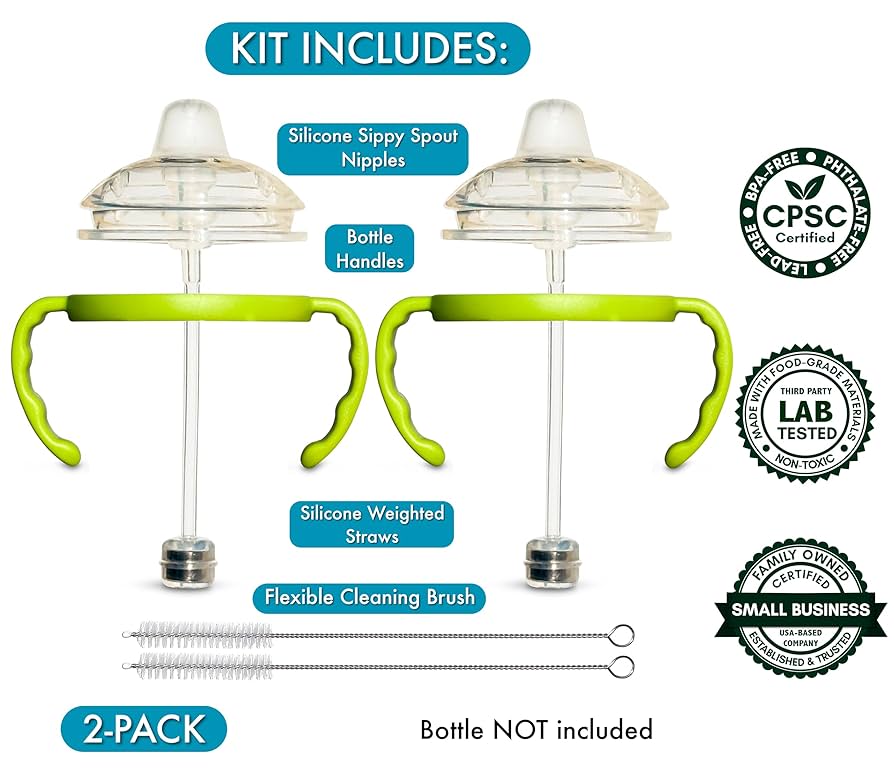
Changing from a bottle to a sippy cup is an important step. It helps your child learn to drink on their own. This change can be easy if you do it in the right way. But it can also be hard if your child likes the bottle too much.

Credit: www.amazon.com
Why Switch from Bottle to Sippy Cup?
Bottles are good for babies. They help babies drink milk or water easily. But after some time, bottles can cause problems.
- Bottles can cause tooth decay if used for too long.
- Using a bottle for a long time can stop your child from learning to drink from a cup.
- Sippy cups help develop mouth muscles and coordination.
- Using a sippy cup can make your child more independent.
Because of these reasons, it is good to start using a sippy cup. Usually, this change happens when the child is about 6 to 12 months old. But every child is different.
Signs Your Child is Ready for a Sippy Cup
Before you start, check if your child is ready. Here are some signs:
- Your child can sit up well without help.
- Your child can hold things with their hands.
- Your child shows interest in cups or glasses.
- Your child can chew soft foods.
If your child shows these signs, it is a good time to try a sippy cup.
Choosing the Right Sippy Cup
Not all sippy cups are the same. Choose one that is easy for your child to use.
- Pick a cup with soft spouts, like silicone.
- Choose a cup with handles for easy holding.
- Start with cups that have no valves to make drinking easier.
- Look for cups that are easy to clean.
You can try different types to see what your child likes best.
Steps to Help Your Child Transition
Changing from bottle to sippy cup takes time. Follow these steps:
1. Start Slowly
Do not stop the bottle all at once. Start by giving the sippy cup during one meal or snack time.
For example, offer water in the sippy cup when your child is thirsty. Keep the bottle for milk or formula at other times.
2. Show How To Use The Sippy Cup
Children learn by watching. Show your child how you drink from a cup.
Let your child try the cup with your help. Hold the cup for them at first.
3. Make It Fun
Make drinking from the sippy cup a happy time. Praise your child when they use the cup.
You can use a cup with their favorite color or pictures. This will make them want to use it more.
4. Be Patient
Your child may refuse the sippy cup at first. This is normal. Keep trying gently.
Do not force your child. Give time to get used to the new cup.
5. Replace One Bottle Feeding At A Time
Change one bottle feeding to a sippy cup feeding each day. For example, switch the morning bottle first, then the afternoon, and then the night.
This slow change helps your child adjust without stress.
6. Offer The Sippy Cup When Your Child Is Calm
Try the sippy cup when your child is not very hungry or tired. This helps them focus on learning.
7. Use The Sippy Cup For Water First
Offer water in the sippy cup before giving milk. Water tastes different and is easier to accept.
Common Challenges and How to Handle Them
Transitioning may not always be smooth. Here are some problems you might face:
My Child Refuses The Sippy Cup
- Try different cups to find one your child likes.
- Let your child play with the cup without pressure.
- Use the sippy cup yourself to show how it works.
My Child Wants The Bottle At Night
- Try to slowly replace the bottle with a cup.
- Give a favorite blanket or toy for comfort instead.
- Offer water in the sippy cup if thirsty.
My Child Drinks Less With The Sippy Cup
- Offer the sippy cup often so your child can practice.
- Try warm milk in the cup to make it familiar.
- Be patient; drinking skills take time to develop.

Credit: www.youtube.com
Tips for Success
- Use the same cup all day to avoid confusion.
- Keep the bottle out of sight to reduce desire.
- Encourage your child with smiles and words.
- Keep a routine, like always using the sippy cup at meal times.
- Give small amounts in the sippy cup to avoid spills.
When to Stop Using the Sippy Cup
After some time, your child will not need the sippy cup either. Usually, this happens around 12 to 18 months.
Then, you can start using open cups or regular cups with help. This helps your child learn to drink like an adult.
Summary Table: Transition Timeline
| Age | Action | Notes |
|---|---|---|
| 6-9 Months | Introduce sippy cup with water | Keep bottles for milk |
| 9-12 Months | Replace one bottle feeding with sippy cup | Start with daytime feedings |
| 12-18 Months | Use sippy cup for all drinks | Prepare to stop sippy cup use soon |
| 18 Months+ | Switch to open cups | Help your child hold the cup |
Final Thoughts
Changing from a bottle to a sippy cup takes time and care. Every child is different. Some may change quickly. Others need more time.
Be patient and kind. Celebrate small successes. Your child will learn to drink from a cup soon.
Remember, this step helps your child grow strong and healthy. It is worth the effort.
Frequently Asked Questions
When Should I Start Transitioning From Bottle To Sippy Cup?
Begin between 6 to 9 months, when your baby shows interest in cups.
How Do I Choose The Right Sippy Cup For My Baby?
Pick a spill-proof, easy-to-hold cup with soft spouts for comfort.
What Are The Signs My Baby Is Ready To Use A Sippy Cup?
Look for good head control, sitting up, and interest in drinking from cups.
How Long Does It Take To Switch From Bottle To Sippy Cup?
Usually, it takes about 1 to 3 weeks for a smooth transition.