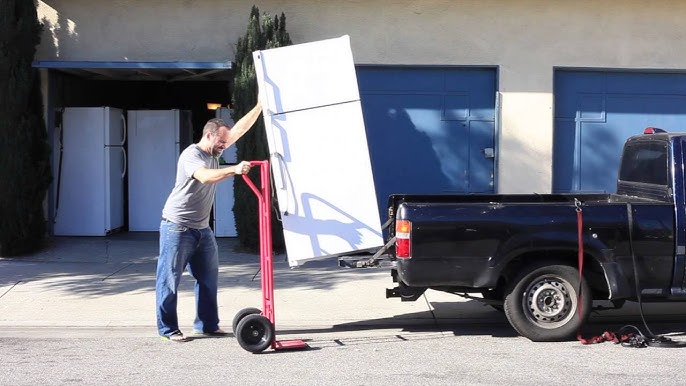
Moving a refrigerator can feel tricky, especially when your only option is a pickup truck. You want to keep your fridge safe and avoid any damage during the ride.
But how exactly do you do that? This guide will walk you through simple, clear steps to transport your refrigerator securely. By the end, you’ll feel confident and ready to handle your move without stress. Keep reading to learn the easy way to protect your fridge and make your transport smooth.
Preparing The Refrigerator
Preparing the refrigerator properly is essential before loading it into a pickup truck. This process helps avoid damage and keeps the fridge clean and safe during transport. Taking time to prepare the appliance reduces the risk of spills, leaks, or broken parts.
Empty And Clean The Interior
Remove all food and items from inside the refrigerator. Wipe down shelves, walls, and drawers using a mild detergent and warm water. Cleaning the interior prevents odors and mold growth during the move. A clean fridge also makes handling easier and more hygienic.
Secure Or Remove Shelves And Drawers
Take out loose shelves and drawers to prevent shifting while driving. Wrap each piece in bubble wrap or old towels for extra protection. If removing is difficult, use strong tape to secure shelves tightly inside. Keeping parts stable stops damage and rattling noises on the road.
Defrost And Dry Completely
Turn off the refrigerator and unplug it from power. Allow the ice to melt fully to avoid water leaks. Use towels to soak up excess moisture inside the fridge and freezer compartments. Make sure the interior is dry before transport to prevent mold and water damage.
Gathering Necessary Equipment
Before loading your refrigerator into a pickup truck, gathering the right equipment is crucial. This preparation not only protects your appliance but also keeps the moving process safe and efficient. Without the proper tools, you risk damaging the fridge or even injuring yourself during transport.
Straps And Tie-downs
Strong straps or tie-downs are essential to secure the refrigerator firmly in the truck bed. Look for ratchet straps or heavy-duty cam buckle straps that won’t snap under pressure. Ask yourself: how tight should these straps be? Tight enough to prevent movement but not so tight that they dent the fridge’s surface.
Using multiple straps can distribute pressure evenly and reduce the chance of tipping. Make sure to fasten them around sturdy points on the fridge and the truck bed. This simple step can save you from costly repairs later.
Moving Blankets And Padding
Moving blankets or thick padding cushions your refrigerator from bumps and scratches. These protect the fridge’s finish and prevent dents during loading and unloading. Wrap the entire fridge or at least the corners and edges where impact is most likely.
If you don’t have moving blankets, thick towels or comforters can work in a pinch. Have you considered how much a small scratch could reduce your fridge’s resale value? Don’t skip padding—it’s a small investment for big peace of mind.
Dolly Or Hand Truck
A dolly or hand truck makes moving your refrigerator much easier and safer. These tools reduce the strain on your back and help you navigate stairs or uneven ground. If you’ve ever tried to carry a heavy fridge alone, you know how quickly it can become dangerous.
Choose a dolly with straps or brackets designed to hold tall appliances upright. Renting this equipment is often affordable and worth every penny. Can you imagine trying to manage without one, especially on a long or tricky route?
Positioning The Refrigerator In The Truck
Positioning the refrigerator correctly in your pickup truck is crucial for a safe and damage-free move. How you place it affects stability during transit and the appliance’s internal components. A thoughtful setup can save you from costly repairs and headaches.
Choose The Right Spot
Pick a spot in the truck bed that offers the most stability. The area closest to the cab is often best because it minimizes movement. Avoid placing the refrigerator near the tailgate where bumps can jostle it more.
Think about the truck’s suspension and weight distribution. Placing the fridge too far back can cause rocking, which risks tipping. Secure it near wheel wells or flat surfaces to keep it steady.
Keep Upright Orientation
Always keep the refrigerator upright during transport. The compressor fluid inside can shift and cause damage if tilted. Even a slight lean can lead to long-term issues with cooling performance.
Imagine your fridge as a delicate balance of parts that rely on gravity. Keeping it vertical protects the compressor and prevents oil from flowing into places it shouldn’t. Your fridge will thank you by working smoothly after the move.
Avoid Tilting Or Laying Flat
Resist the temptation to lay the refrigerator on its side or back for easier loading. This can cause the compressor oil to flow into the cooling lines, leading to clogs. These clogs may require professional servicing later.
If the fridge must be tilted due to space constraints, limit the angle as much as possible. Use straps and padding to prevent sliding and reduce the risk of damage. Have you checked if you can slide it through a door or gate instead?

Credit: x.com
Securing The Refrigerator
Securing your refrigerator properly in a pickup truck is crucial to avoid damage and ensure safe transportation. A fridge is heavy and bulky, so any movement during transit can cause scratches, dents, or even internal damage. Taking the time to secure it tightly gives you peace of mind and prevents costly repairs.
Use Strong Straps To Prevent Movement
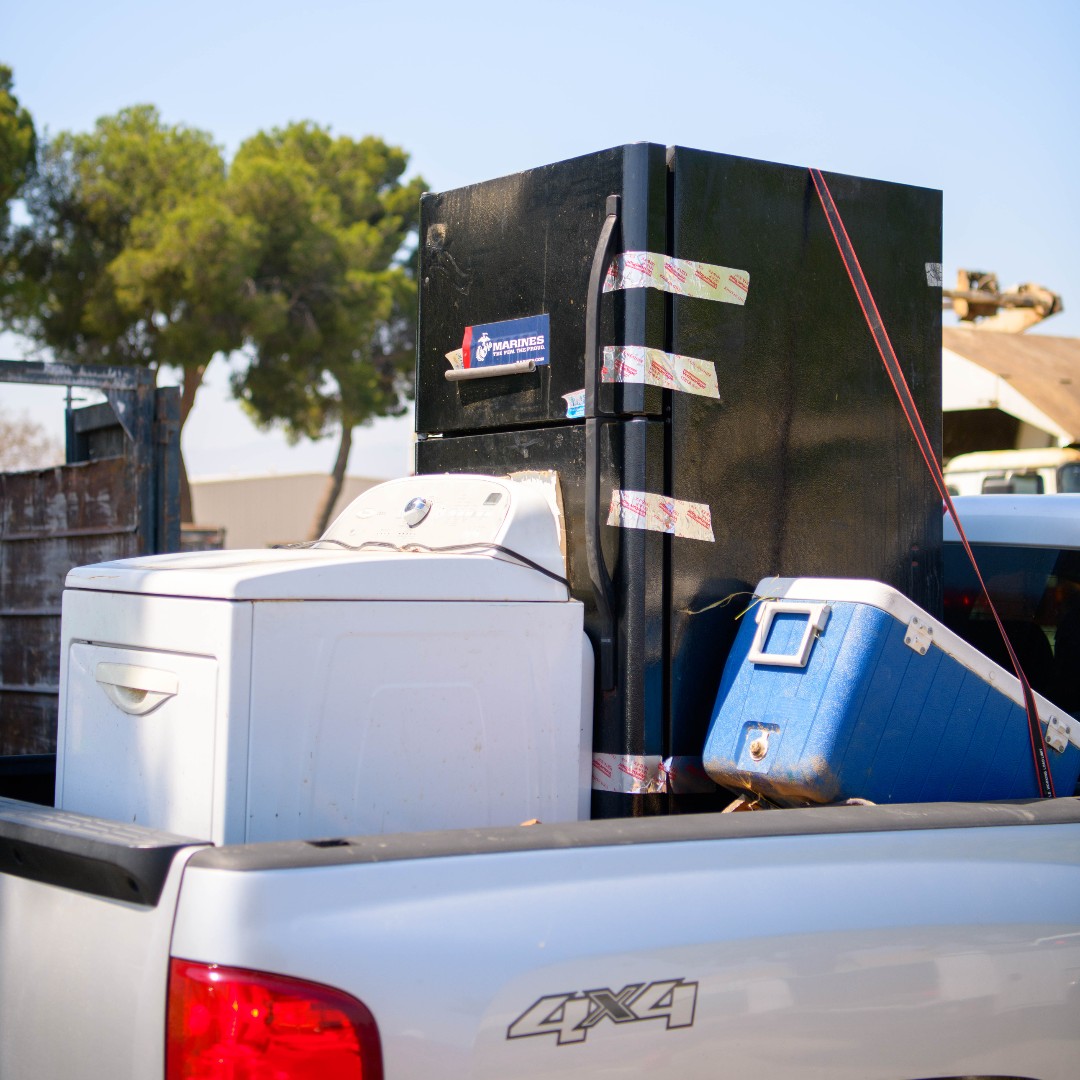
Using strong straps is essential to keep your refrigerator in place. Ratchet straps or heavy-duty cam buckle straps work best because they can be tightened securely around the fridge and anchored to the truck bed.
Wrap the straps around the refrigerator horizontally and vertically to minimize shifting. Make sure to attach the straps to solid points on the truck bed to prevent loosening during the drive. Have you checked if your straps are rated to handle the fridge’s weight before you start?
Protect Corners And Surfaces
The fridge’s corners and surfaces are vulnerable to damage from straps and contact with the truck bed. Use foam padding, moving blankets, or even towels to cushion these areas.
Place padding between the straps and the refrigerator to avoid scratches and dents. This simple step protects the finish and keeps your fridge looking new, especially if it’s a recent purchase or a family heirloom.
Double Check Stability
Once strapped and padded, test the refrigerator’s stability by gently pushing it from different angles. It should not move or wobble in any direction.
Driving over bumps or making sharp turns can cause unsecured items to shift unexpectedly. Double checking stability before hitting the road helps you avoid surprises and keeps your fridge intact.
Driving Tips For Safe Transport
Transporting a refrigerator in a pickup truck demands more than just securing it well; how you drive during the trip plays a crucial role in preventing damage. Your driving style can protect both the appliance and your vehicle. Taking a few simple precautions on the road can make all the difference between a safe delivery and a costly mishap.
Drive Slowly And Carefully
Keep your speed low to reduce the risk of the refrigerator shifting or tipping. Sharp bumps or potholes can jolt the load, so a slower pace helps absorb road imperfections. Have you noticed how even small speed changes affect heavy cargo? Maintaining a steady, cautious speed gives you better control and keeps the fridge stable.
Avoid Sudden Stops And Sharp Turns
Braking hard or turning abruptly puts stress on the straps holding the refrigerator. This can loosen the load or cause it to fall over. Imagine hitting the brakes too fast and hearing the fridge scrape against the truck bed—that’s a sign you need smoother maneuvers. Plan your route to minimize quick stops and avoid tight corners where possible.
Check Load Regularly During Trip
Stop every 30 minutes or so to inspect the straps and the refrigerator’s position. Wind and road vibrations can loosen the tie-downs over time. Taking a moment to tighten them could save you from a major headache later. Have you ever driven a long haul and found your cargo had shifted? Regular checks help you catch problems early before they escalate.

Credit: www.reddit.com
Unloading And Setting Up
Unloading and setting up a refrigerator after transport requires care and attention. Handling it gently helps avoid damage. Proper setup ensures the fridge works well in its new spot.
Careful Removal From Truck
Use two or more people to lift the fridge safely. Keep it upright during the entire move. Avoid tilting or laying it flat to protect the cooling system. Move slowly and watch for any bumps or obstacles. Set the fridge down gently on a flat surface.
Reinstall Shelves And Drawers
Check the fridge interior for loose shelves and drawers. Remove packing materials and secure all parts back in place. Make sure shelves click or fit firmly to avoid shifting. Organize drawers correctly for proper use and airflow.
Wait Before Plugging In
Let the fridge sit upright for at least 2 to 4 hours. This wait allows the coolant to settle inside the system. Plugging it in too soon can cause damage. After waiting, connect the power and check if it cools properly.
Credit: x.com
Frequently Asked Questions
How Do You Secure A Fridge In A Truck?
To secure a fridge in a truck, use strong straps or ropes. Place the fridge upright and against the truck bed wall. Tighten the straps to prevent movement during transit. Ensure the fridge door is taped shut to avoid opening.
Can A Refrigerator Lay Down During Transport?
Transporting a refrigerator laying down is not recommended. It can cause compressor oil to flow into cooling lines. This may damage the fridge. If necessary, allow it to stand upright for several hours before plugging in. This ensures the oil settles back.
What Tools Are Needed To Move A Fridge?
To move a fridge, use a dolly or appliance cart. You will also need straps or ropes and tape. A helper is recommended for lifting and securing the fridge. Proper tools ensure safe and efficient transport.
How Long Should A Fridge Stand After Moving?
After moving, let the fridge stand upright for 4-6 hours. This allows compressor oil to settle. It’s essential for optimal performance. Plugging it in too soon can cause damage or poor cooling. Patience ensures fridge safety.
Conclusion
Transporting a refrigerator in a pickup truck can be safe and easy. Secure the fridge well to avoid damage during the trip. Keep it upright to protect the cooling system. Use straps and blankets for extra safety and padding. Drive slowly and avoid sharp turns or sudden stops.
With careful planning and simple steps, your fridge will arrive in good shape. Take your time and stay cautious throughout the move. Safe transport means a working fridge at your new place. Simple tips make a big difference.