Moving your washer and dryer can feel like a huge challenge. You might worry about damaging your machines or struggling with heavy lifting.
But don’t let that stop you. With the right tips and tricks, you can transport your washer and dryer safely and easily. In this guide, you’ll discover simple steps to protect your appliances and make the whole process smoother. Keep reading to learn how to handle your washer and dryer like a pro—and avoid costly mistakes along the way.
Credit: www.nationalremovalist.com.au
Prepare Your Appliances
Moving your washer and dryer requires careful preparation. This helps avoid damage and keeps the machines working well.
Follow these steps to get your appliances ready before transport. Proper prep makes the move easier and safer.
Clean And Dry Thoroughly
Remove all detergent, fabric softener, and dirt from your washer and dryer. Clean inside and outside to prevent mold and smells.
- Run a cleaning cycle with washing machine cleaner or vinegar.
- Wipe down all surfaces with a damp cloth.
- Dry the inside drum and dryer drum completely.
- Check and clean the lint trap in the dryer.
Disconnect Power And Water
Safety is key when disconnecting your appliances. Turn off the power and water supply to avoid leaks or shocks.
| Task | How to Do It |
| Turn off power | Unplug the washer and dryer from the electrical outlet. |
| Shut off water | Close the water valves connected to the washer. |
| Disconnect hoses | Unscrew water hoses from the back of the washer and drain any water. |
Secure Doors And Parts
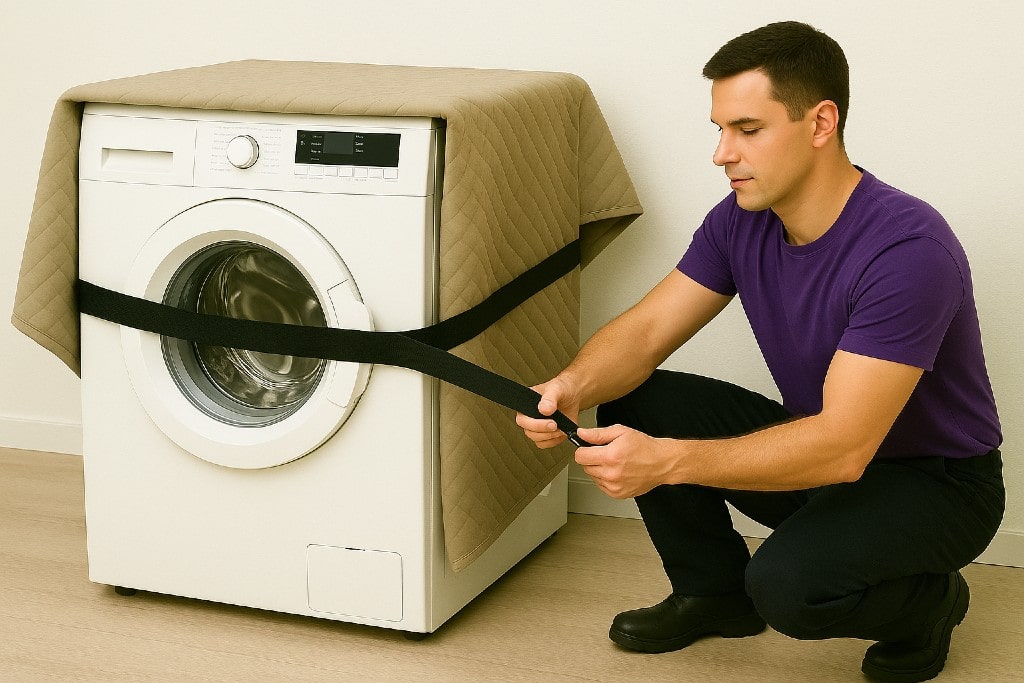
Lock doors and protect moving parts to prevent damage during transport. This keeps everything stable and safe.
- Use tape or straps to keep washer and dryer doors closed.
- Remove or secure any loose parts like trays or knobs.
- Wrap the machines with moving blankets or padding for extra protection.

Credit: www.reddit.com
Gather Moving Supplies
Moving a washer and dryer needs careful preparation. You should get the right supplies before starting.
Good packing materials and tools make the move safer and easier for these heavy appliances.
Use Moving Blankets And Straps
Moving blankets protect your washer and dryer from scratches and dents. Straps keep them secure during transport.
- Wrap the appliances fully in moving blankets.
- Use strong straps to tie the blankets tightly.
- Check that the straps hold the appliances firmly.
Choose A Suitable Dolly
A dolly helps carry heavy appliances without damage. Choose one with the right size and weight capacity.
| Dolly Type | Weight Capacity | Best Use |
| Appliance Dolly | Up to 600 lbs | Washers and Dryers |
| Furniture Dolly | Up to 500 lbs | Lighter Items |
| Hand Truck | Up to 300 lbs | Small Appliances |
Pack Essential Tools
Carry tools to disconnect and reconnect appliances. Keep them handy during the move.
- Adjustable wrench
- Screwdrivers (flat and Phillips)
- Pliers
- Tape for securing cords
- Bucket for water drainage
Plan The Moving Route
Moving a washer and dryer requires careful planning. The route you choose can save time and prevent damage.
Check all parts of the path before you start. This helps avoid surprises on moving day.
Measure Doorways And Hallways
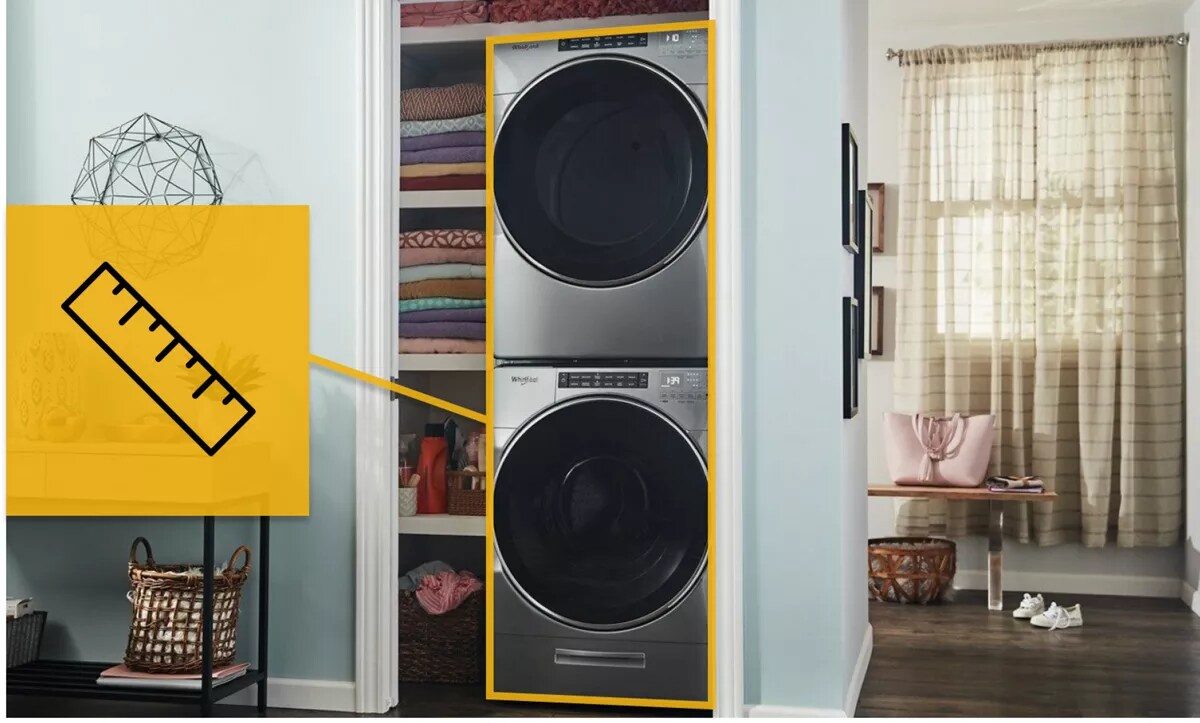
Measure the width and height of all doorways and hallways along the moving route. Make sure your appliances can fit through easily.
- Measure door widths from frame to frame
- Check hallway widths and ceiling heights
- Include any turns or corners in your measurements
- Compare measurements with the dimensions of your washer and dryer
Clear Obstacles
Remove furniture, rugs, or other items blocking the path. Clear space helps you move the appliances without damage or injury.
| Obstacle | Action |
| Loose rugs | Roll up or remove |
| Small furniture | Move to another room |
| Cords and wires | Secure or unplug |
| Low hanging decorations | Take down temporarily |
Check Vehicle Access
Make sure the moving vehicle can park close to your home. This shortens the distance you carry the washer and dryer.
- Confirm parking rules and permits near your home
- Choose a spot with enough space to load appliances safely
- Avoid areas with steep slopes or uneven ground
- Plan for weather conditions that may affect access
Credit: www.whirlpool.com
Lift And Load Safely
Moving a washer and dryer requires care to avoid damage and injury. You must lift and load these heavy appliances properly. Safety is the top priority during this process.
Follow simple steps to protect yourself and your appliances. Using the right techniques makes the job easier and safer.
Use Proper Lifting Techniques
Always bend your knees and keep your back straight when lifting. Hold the appliance close to your body. Avoid twisting your torso while lifting or carrying.
- Stand close to the appliance with feet shoulder-width apart.
- Bend at the knees, not the waist.
- Grip the base or sturdy parts firmly.
- Lift slowly using your leg muscles.
- Keep the appliance close to your chest.
- Move smoothly without sudden jerks.
Work With A Partner
Washing machines and dryers are heavy and bulky. Having a partner helps share the weight and balance the load. Talk with your partner before lifting to coordinate movements.
- Agree on when to lift and set down the appliance.
- Use clear signals to communicate while moving.
- Lift at the same time to avoid dropping.
- Take breaks if needed to prevent strain.
Secure Appliances In The Vehicle
After loading, secure your washer and dryer to prevent shifting. Use straps or ropes to tie them down tightly. Place padding around appliances to avoid scratches and dents.
| Item | Purpose | Tips |
| Ratchet Straps | Hold appliances firmly | Attach to anchor points in vehicle |
| Moving Blankets | Protect surfaces | Wrap around sides and corners |
| Non-slip Mats | Prevent sliding | Place under appliances |
| Wheel Chocks | Keep appliance from rolling | Use if appliance has wheels |
Transport Considerations
Moving a washer and dryer needs careful planning. These appliances are heavy and can break easily.
Follow safety tips to protect your machines and your home during transport.
Keep Appliances Upright
Always keep washers and dryers standing straight. Tilting them can cause damage to internal parts.
Keep them upright from start to finish to avoid leaks and mechanical issues.
Avoid Sudden Stops And Turns
Drive carefully to prevent jolts. Sudden stops or sharp turns can hurt the appliances.
Secure the machines tightly so they do not move or tip during transport.
- Use straps or ropes to hold appliances in place
- Drive at moderate speeds
- Brake slowly and smoothly
- Take wide turns to reduce tilting
Monitor Temperature And Environment
Keep the appliances away from extreme heat or cold during transport. Weather affects their performance.
Cover the machines with blankets or tarps if needed. Protect them from rain or direct sun.
Unloading And Setup
Transporting a washer and dryer can be tricky. Proper unloading is crucial for safety.
Careful setup ensures your appliances work correctly. Follow these steps to get started.
Move Appliances Carefully Inside
Use a dolly to move the washer and dryer. This helps avoid injuries and appliance damage.
- Secure each appliance to the dolly with straps.
- Move slowly, watching for obstacles.
- Have someone guide you as you enter doorways.
Reconnect Water And Power
Once inside, reconnect the water hoses and power cords. Ensure connections are tight.
| Connection Type | Description |
| Water Hose | Ensure no leaks at the connection points. |
| Power Cord | Plug into a grounded outlet. |
| Drain Hose | Position securely into the drain pipe. |
Test For Proper Operation
Before using, test your appliances. Run a short cycle to check functionality.
Troubleshooting Common Issues
Moving a washer and dryer needs careful planning. Sometimes, problems can occur during transport. Understanding how to fix these issues is helpful.
This guide explains common issues like leaks and noises. It also covers checking for damage and knowing when to call a professional.
Address Leaks And Noises
Leaks and noises can happen when moving washers and dryers. Check hoses and connections to stop leaks. Tighten loose parts to reduce noises.
Also, make sure the washer and dryer are level. Uneven placement can cause vibrations and noise.
- Inspect hoses for cracks or loose fittings
- Ensure the machine is on a flat surface
- Tighten screws and bolts
Check For Damage
Before and after moving, inspect the washer and dryer. Look for visible signs of damage like dents or scratches.
Check the control panel and doors. Make sure they open and close properly.
- Examine exterior for dents or scratches
- Test doors and control panel functions
- Inspect power cords and plugs
When To Call A Professional
Sometimes, fixing issues by yourself isn’t possible. Call a professional if you find electrical problems or serious damage.
Professionals have the tools and experience to handle complex repairs safely.
- Electrical issues or blown fuses
- Major leaks or significant damage
- Persistent noises despite adjustments
Frequently Asked Questions
How Do You Safely Transport A Washer And Dryer?
To transport safely, unplug and secure all hoses and cords. Use moving straps and a dolly for stability. Keep the washer upright to avoid damage. Protect surfaces with blankets and padding during the move.
Should I Remove Water From The Washer Before Moving?
Yes, always drain all water to prevent leaks and damage. Run a spin cycle and disconnect hoses to empty residual water. Dry the interior completely to avoid mold growth during transportation.
Can I Lay My Washer Down During Transport?
It’s best to keep washers upright to protect internal parts. Laying it down can cause drum misalignment and damage. If necessary, secure the drum with shipping bolts to minimize risk.
How Do I Prepare My Dryer For Moving?
Unplug the dryer and disconnect the vent hose carefully. Clean the lint filter and vent to avoid fire hazards. Secure any loose parts and wrap cords to prevent tangling during transit.
Conclusion
Transporting a washer and dryer takes careful planning and effort. Always unplug appliances and secure loose parts before moving. Use strong straps to keep them steady during transit. Protect floors and walls from scratches and dents. Ask for help to lift heavy machines safely.
Taking these steps makes moving easier and prevents damage. Your washer and dryer will arrive ready to use. Simple actions lead to smooth transport and peace of mind.