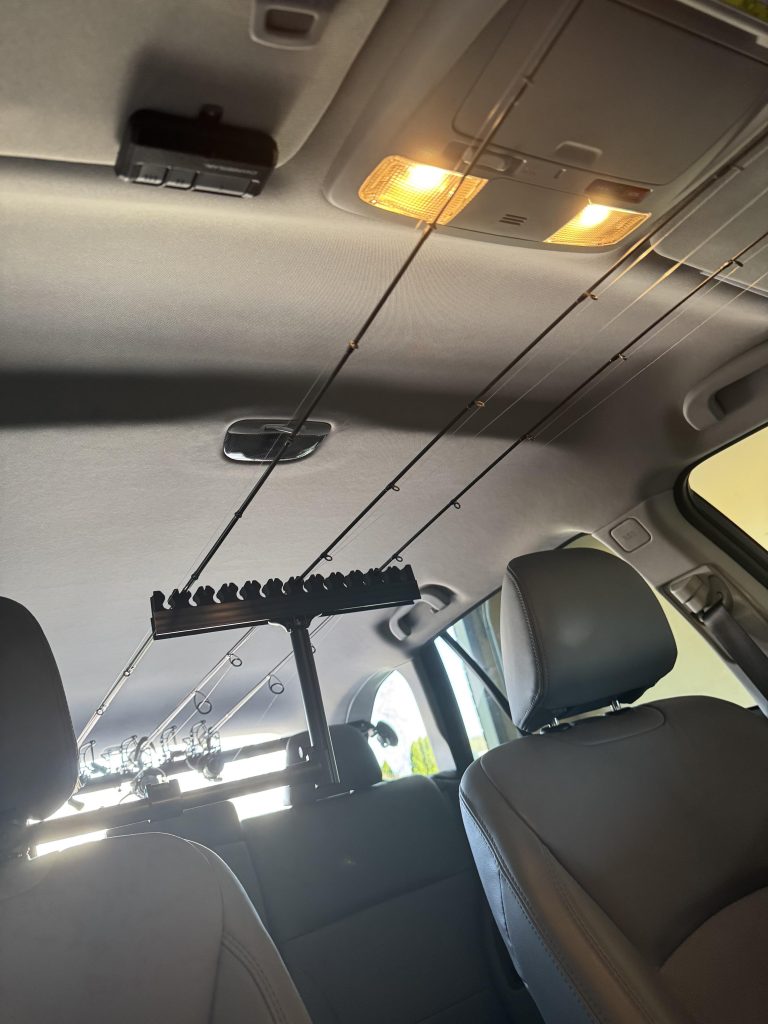
Transporting your fishing rods might seem simple, but one wrong move can damage your gear or make your trip stressful. You want your rods safe, easy to carry, and ready to use when you arrive.
How do you pack them right? What tools or techniques can protect your investment? You’ll discover practical tips and smart tricks to transport your fishing rods safely and hassle-free. Keep reading, and make every fishing trip start with confidence.

Credit: www.victus-srl.com
Choosing The Right Rod Case
Transporting fishing rods safely is important to avoid damage. Picking the right rod case helps protect your gear.
There are different types of rod cases. Each type offers unique benefits and fits different needs.
Hard Vs Soft Cases
Hard cases provide strong protection against impacts. They are usually made of plastic or metal.
Soft cases are lighter and easier to carry. They offer less protection but are flexible and can fit in tight spaces.
- Hard cases protect rods from crushing and bending.
- Soft cases are good for short trips and light travel.
- Hard cases are heavier and bulkier to carry.
- Soft cases often have extra pockets for accessories.
Size And Fit Considerations
Choosing the right size is key for rod safety. The case should fit your rod without bending it.
Measure your rod length when assembled and disassembled. Check the case length and width before buying.
- Use a case that matches your rod’s full length.
- Allow space for rod tips and handles inside the case.
- Consider cases with adjustable compartments for multiple rods.
- Too large a case lets rods move and get damaged.
Waterproof Features
Waterproof cases protect your rods from rain and moisture. This keeps your gear dry and rust-free.
Look for cases made with waterproof materials or sealed zippers. Some cases also float in water.
- Waterproof cases prevent water damage during travel.
- Sealed zippers block out rain and splashes.
- Floating cases help if you drop them in water.
- Non-waterproof cases may soak your rods if wet.

Credit: www.ebay.ca
Preparing Rods For Travel
Transporting fishing rods safely requires careful preparation. Properly securing your rods ensures they arrive undamaged. Follow these steps to prepare your rods for travel.
Whether you are heading to a local spot or flying to a fishing destination, taking the right steps makes a big difference.
Disassembling The Rod
Start by gently disassembling your fishing rod. This reduces the risk of breakage during transport.
- Loosen the ferrules and carefully separate the rod sections.
- Ensure all parts are clean and dry before packing.
- Store the sections in a rod tube or protective case.
Securing The Guides And Tips
Protecting guides and tips is essential to avoid damage. Use simple materials for effective protection.
- Wrap bubble wrap around the guides and tips.
- Secure with rubber bands or tape to hold the wrap in place.
- Avoid tight wrapping to prevent pressure on the rod.
Removing Reels And Accessories
Detach reels and accessories to prevent damage during transport. This also helps in balancing the rod case.
| Accessory | Storage Tip |
| Reels | Place in a padded reel case. |
| Line | Secure with a rubber band. |
| Hooks | Store in a tackle box. |
Packing Techniques For Protection
Fishing rods are delicate and need careful packing. Proper packing stops damage during transport.
Use the right tools and methods to keep rods safe. This guide helps you pack rods well.
Using Padding Materials
Padding protects fishing rods from scratches and breaks. Soft materials absorb shocks and bumps.
Wrap each rod with foam, bubble wrap, or cloth. Add extra padding around the rod tips and guides.
- Use foam tubes or pipe insulation around rods
- Wrap bubble wrap tightly for full coverage
- Use soft cloth to prevent scratches
- Place rods in padded cases or tubes
Organizing Multiple Rods
Keep rods separate to avoid tangling and damage. Organize them neatly in one container or case.
Use rod sleeves or covers for each rod. Place rods side by side with padding in between.
- Use rod tubes or hard cases for groups of rods
- Secure rods with straps or ties inside the case
- Do not overload the case to prevent pressure
- Keep reels detached or secured to avoid damage
Labeling And Identification
Labeling helps find the right rod quickly. It also reduces mistakes during transport.
Use tags or stickers with rod details. Include type, length, and owner’s name if needed.
- Attach labels to rod handles or cases
- Use waterproof markers or printed tags
- Color-code rods for easy sorting
- Keep a list of rods packed for reference
Transporting Rods In Vehicles
Fishing rods need care when you carry them in a vehicle. Proper transport keeps them safe and ready for use.
Choosing the right spot and method protects your rods from damage during travel.
Safe Placement In Cars
Place rods where they will not bend or get crushed. Avoid tight spaces that force rods to curve.
- Lay rods flat on the car floor or seat
- Use rod tubes or cases for extra protection
- Keep rods away from heavy objects
- Secure rods so they do not roll or slide
Roof Racks And Storage Options
Roof racks hold rods outside the vehicle. They save space inside but need good securing.
| Storage Type | Pros | Cons |
| Roof Rack | Keeps rods safe and out of the car | Exposed to weather and wind |
| Inside Car Tube | Protects rods from damage and weather | Uses car space |
| Rod Sleeves | Easy to use and light | Less protection from impact |
Avoiding Damage From Movement
Rods can break if they move too much during travel. Use padding and straps to keep them still.
- Wrap rods in soft cloth or foam
- Tie rods down with straps or bungee cords
- Fill empty spaces to stop rods from shifting
- Check rods often on long trips
Shipping Fishing Rods Safely
Shipping fishing rods requires care to avoid damage. Proper packing and choosing the right carrier help keep rods safe. This guide covers key tips for safe transport.
Follow these simple steps to protect your rods during shipping. You will learn about carriers, packaging, and insurance options.
Choosing Reliable Carriers
Select a carrier with experience in handling fragile sports gear. Look for good reviews and clear shipping policies. Confirm they offer tracking and insurance.
Ask these questions before shipping:
- Do they handle long, fragile items well?
- Is there a damage claim process?
- What are the delivery times?
- Do they provide secure packaging options?
Packaging For Shipping
Use strong materials to protect your fishing rods. Wrap each rod in bubble wrap or foam sleeves. Place rods in a hard tube or a sturdy box.
| Material | Purpose |
| Bubble wrap | Cushions rods and prevents scratches |
| Hard tube | Protects rods from bending and crushing |
| Foam inserts | Stops rods from moving inside the box |
| Strong tape | Keeps the package sealed tightly |
Label the package as fragile. Add “Handle with Care” stickers if possible.
Tracking And Insurance Tips
Always get a tracking number. This helps you follow the package’s journey. Choose insurance to cover the full value of your rods.
- Keep the receipt and tracking details.
- Check the package at delivery for any damage.
- Report damage to the carrier quickly.
- Use insurance claims if needed.
Caring For Rods After Travel
Traveling with fishing rods can cause wear and tear. Caring for your rods after travel keeps them in good shape.
Proper care helps rods last longer and perform well on your next trip.
Inspecting For Damage
Check your rods carefully for any damage after you finish traveling. Look for cracks, bends, or loose parts.
Make sure the guides and reel seat are still tight and aligned. Small problems can get worse if you don’t fix them.
- Look for cracks on the rod blank
- Check if guides are bent or broken
- Test the reel seat for tightness
- Ensure ferrules fit snugly without gaps
- Inspect the handle for wear or damage
Cleaning And Maintenance
Clean your fishing rods to remove dirt, salt, and grime from travel. Use fresh water and a soft cloth to wipe down the rod.
Dry the rod fully before storing it. Lubricate moving parts like reel seats or ferrules lightly to keep them working smoothly.
- Rinse rods with fresh water
- Use a soft cloth to clean gently
- Dry rods completely to avoid rust
- Apply light lubricant on metal parts
- Remove old fishing line and debris
Proper Storage
Store your rods in a cool, dry place after cleaning. Avoid places with direct sunlight or extreme temperatures.
Keep rods upright or in a rod rack to prevent bending. Use rod tubes or cases for extra protection if needed.
- Store rods away from heat and sunlight
- Keep rods upright or on a rack
- Use rod tubes for safe transport and storage
- Avoid leaning rods against walls
- Check storage area for humidity and pests

Credit: www.ebay.ca
Frequently Asked Questions
How Do I Protect Fishing Rods During Transport?
Use rod sleeves or tubes to shield rods from damage. Secure rods with straps or bungee cords to prevent movement. Avoid placing heavy items on top of rods for safe transport.
Can I Transport Fishing Rods In A Car Trunk?
Yes, but ensure rods are secured and padded. Use a rod tube or case to prevent bending. Arrange rods flat or vertically, avoiding pressure points in the trunk.
What’s The Best Way To Pack Fishing Rods For Travel?
Disassemble rods into smaller pieces if possible. Wrap each section in soft cloth or bubble wrap. Place rods in a hard case or padded tube for protection.
Are Fishing Rod Tubes Necessary For Air Travel?
Yes, rod tubes protect against rough handling and pressure changes. Use a hard, durable tube with secure locks. Label the tube as fragile for careful handling.
Conclusion
Transporting fishing rods does not need to be hard or risky. Use the right case or tube to keep rods safe. Secure rods well inside your vehicle to avoid damage. Take care when loading and unloading to protect your gear.
Simple steps can save you from costly repairs. Keep your rods ready for the next fishing trip. Safe transport means more time enjoying the water. Remember, careful handling extends the life of your fishing rods.