You love fishing, and you don’t want to leave your trusty rod behind when you travel. But carrying a fishing rod can be tricky.
Will it fit in your luggage? Will it get damaged? How do you keep it safe and easy to carry? If you’ve ever felt stressed about bringing your fishing gear along, this guide is for you. Keep reading, and you’ll discover simple, smart tips to travel with your fishing rod without hassle.
Your next fishing adventure is closer than you think!
Choosing The Right Fishing Rod Case
Traveling with a fishing rod needs proper protection. A good case keeps your rod safe from damage. It also makes carrying easier.
This guide helps you pick the right case. Learn about hard and soft cases. Also, find out what size and capacity you need.
Hard Vs. Soft Cases
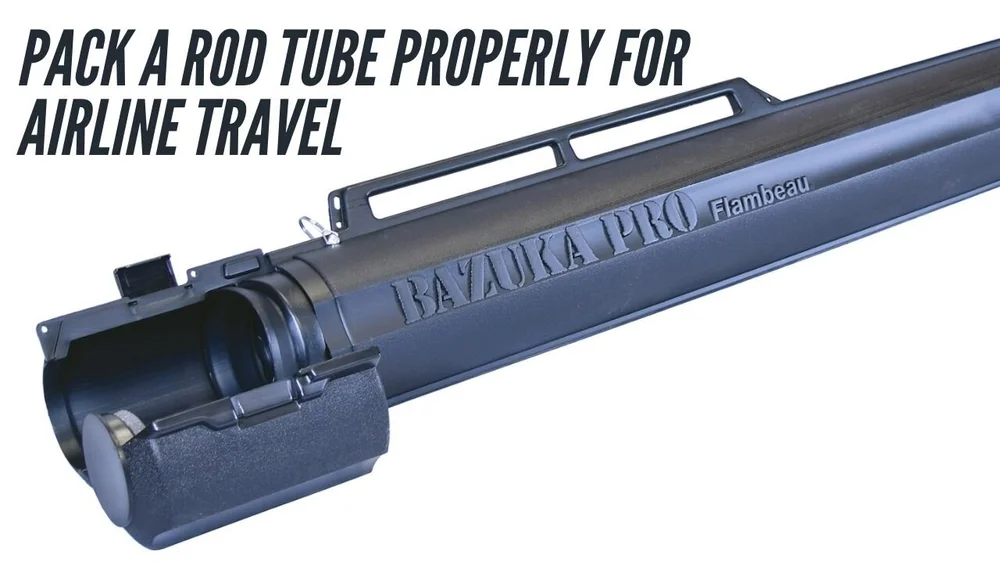
Hard cases offer strong protection. They resist impacts and keep rods from bending. Soft cases are lighter and easier to carry. They protect from scratches and light damage.
- Hard cases protect well in rough travel.
- Soft cases are more flexible and lighter.
- Hard cases often have locks or latches.
- Soft cases usually have straps and pockets.
- Hard cases can be heavy and bulky.
- Soft cases fit in tight spaces easier.
Size And Capacity Considerations
| Factor | What to Check |
| Rod Length | Match the case length to your rod |
| Number of Rods | Choose a case that fits all rods you travel with |
| Additional Gear | Look for extra pockets or space for reels and tackle |
| Weight | Consider how heavy the case is when full |
| Travel Method | Pick a size that fits your car, plane, or backpack |
Choosing the right size and capacity keeps your gear safe and organized. It also makes travel easier and less stressful.
Packing Techniques For Fishing Rods
Traveling with a fishing rod needs careful packing. This protects your gear and makes your trip easy.
Good packing keeps your rod safe from damage. It also helps you carry it without trouble.
Disassembling Your Rod
Take apart your fishing rod to make it smaller. Remove the sections carefully to avoid breaking them.
Keep the pieces together and avoid mixing them up. Use a bag or case to hold all parts securely.
- Unscrew or pull apart each rod section gently
- Check for dirt or damage before packing
- Place all sections in a protective tube or case
- Label sections if needed to keep them in order
Securing With Padding And Wraps
Use soft padding to protect your rod parts from bumps. Wrap each section carefully before packing.
Materials like foam, cloth, or bubble wrap work well. Secure wraps with tape or rubber bands to keep them in place.
- Wrap guides and tips with soft cloth or foam
- Use bubble wrap around fragile parts
- Place padding inside the rod case for extra protection
- Check that wraps are tight but not too tight
Traveling By Air
Flying with a fishing rod needs some planning. You must know the rules and pack well.
This guide helps you prepare your fishing rod for air travel. Learn how to avoid damage and delays.
Airline Regulations
Each airline has rules for fishing rods. Check these before your trip to avoid problems.
Some airlines allow fishing rods as checked baggage. Others may treat them as sports equipment.
- Check the airline’s website for their fishing rod policy.
- Know size and weight limits for rods.
- Some airlines require special cases for fishing rods.
- Fees may apply for extra or oversized items.
- Call customer service if rules are unclear.
Checking Vs. Carry-on
Decide if you will check your fishing rod or bring it as carry-on. Each choice has pros and cons.
Checking your rod keeps it out of the cabin but risks damage. Carrying it on offers protection but needs approval.
- Checking:Use a hard or padded case to protect the rod.
- Checking:Label your case with your contact details.
- Carry-On:Confirm if the airline allows fishing rods onboard.
- Carry-On:Measure your rod’s length to fit in overhead bins.
- Carry-On:Handle the rod carefully during security checks.
Credit: www.saltwatersportsman.com
Traveling By Car
Traveling with a fishing rod in a car needs careful planning. You want to keep your gear safe and avoid damage.
Properly storing fishing rods helps prevent breaks and keeps your car organized during the trip.
Securing Rods In Vehicles
Place your fishing rods where they will not move or bend during travel. Use soft cloth or rod tubes to protect them.
Secure rods inside the car by tying them down or placing them in designated holders. This stops them from rolling or hitting other items.
- Use rod tubes or cases for protection
- Place rods on flat surfaces inside the car
- Tie rods with straps to prevent movement
- Avoid placing heavy items on rods
Utilizing Roof Racks
Roof racks offer extra space for carrying fishing rods. They keep rods outside the car and free up interior space.
Use soft racks or padded holders to avoid scratching or bending your rods. Make sure rods are tightly secured to the rack.
- Choose a roof rack with rod holders or padding
- Secure rods with straps or bungee cords
- Place rods with tips facing backward
- Check straps before driving for safety
Traveling By Public Transport
Taking a fishing rod on buses or trains needs careful planning. You must pack it to avoid damage. Also, consider space limits and rules on public transport.
This guide helps you travel with your fishing rod using public transport easily and safely.
Compact Packing Tips
Use a rod case or tube that fits your fishing rod well. Break down the rod into smaller parts to save space. Wrap each piece with cloth to protect it from scratches.
- Choose a lightweight, hard or soft case.
- Disassemble the rod completely.
- Secure reel separately in a padded bag.
- Pack line and hooks in small, sealed containers.
- Label your case with your name and contact info.
Considerations For Buses And Trains
Check transport rules before traveling. Some buses and trains limit the size of luggage. Keep your rod case close to avoid blocking aisles.
| Transport Type | Rod Size Limit | Storage Options |
| City Bus | Up to 4 feet | Under seat or overhead racks |
| Intercity Bus | Up to 6 feet | Storage bay under the bus |
| Local Train | Up to 5 feet | Overhead racks or designated luggage areas |
| Long Distance Train | Up to 7 feet | Storage compartments or luggage cars |
Protecting Your Gear
Traveling with a fishing rod needs care to keep it safe. Protecting your gear stops damage and saves money.
Use smart packing and storage to avoid breaks and wear. Keep your rod ready for your next fishing trip.
Avoiding Extreme Temperatures
Keep your fishing rod away from very hot or cold places. Extreme heat can weaken the rod material.
Cold temperatures make the rod brittle and easy to crack. Store your rod in a climate-controlled place if possible.
- Do not leave the rod in a hot car for long times
- Avoid freezing temperatures during travel or storage
- Use insulated cases if traveling in extreme weather
Waterproofing Measures
Water can damage your fishing rod and reel. Use waterproof covers or bags to keep your gear dry.
Check your gear for moisture before packing. Dry your rod and reel completely after fishing to avoid rust.
- Use sealed rod tubes or waterproof cases
- Wrap reels in plastic bags inside your luggage
- Carry silica gel packets to absorb moisture
Essential Accessories For Travel
Traveling with a fishing rod needs special gear to keep it safe and ready. The right accessories help protect your rod and make fishing easier.
This guide covers key accessories to carry, focusing on portable tools and backup rod options. These will help you enjoy fishing wherever you go.
Portable Tools And Kits
Carrying a compact set of fishing tools is important. It saves space and ensures you have what you need for quick fixes and adjustments.
- Multi-tool with pliers and line cutters
- Small tackle box with hooks, sinkers, and lures
- Portable line spooler for easy line changes
- Compact rod repair kit with glue and wraps
- Waterproof container for bait and small gear
Backup Rod Options
Having a backup rod is smart. It protects against damage or loss during travel. Choose a rod that is light and easy to carry.
| Rod Type | Advantages | Best Use |
|---|---|---|
| Telescopic Rod | Compact and easy to pack | Ideal for backpacking and air travel |
| Travel Rod | Breaks into multiple pieces | Great for car trips and varied fishing spots |
| Ultralight Rod | Very light for easy carrying | Good for casual fishing and short trips |
Storing Your Fishing Rod
Storing your fishing rod properly keeps it in good shape. It helps avoid damage and makes your next trip easier.
Good storage protects the rod from bends, breaks, and rust. It also keeps the guides and reel seat safe.
Long-term Storage Tips
For long-term storage, clean your rod first. Remove dirt, salt, and moisture to stop rust and damage.
Store your rod in a dry, cool place. Avoid direct sunlight and extreme temperatures to keep it strong.
- Loosen the reel drag to prevent stress on the drag washers
- Use a rod tube or soft sleeve for extra protection
- Keep the rod horizontal or hanging vertically without pressure points
- Check the rod every few months for signs of damage or moisture
Preventing Damage
Handle your fishing rod carefully to avoid cracks and bends. Do not lean it against hard surfaces.
Use rod covers during travel to protect the guides and tip. Avoid placing heavy items on top of the rod.
- Keep the rod away from sharp objects that can scratch it
- Separate rod sections when possible to reduce stress on joints
- Store rods with the tip up or in a rod rack to maintain shape
- Inspect guides and wraps regularly and repair any damage quickly
Insurance And Safety Measures
Traveling with a fishing rod needs careful planning. Protecting your gear and staying safe on the road is important.
This guide covers how to insure your fishing rod and keep safe while traveling with it.
Insuring Your Gear
Fishing rods can be costly. Getting insurance helps cover damage or loss during travel.
- Check if your homeowner’s or renter’s insurance covers fishing gear.
- Consider a separate policy for valuable rods and reels.
- Document your gear with photos and receipts for claims.
- Use a travel case that protects rods from damage.
- Keep insurance info and contact numbers handy while traveling.
Safety Precautions While Traveling
Traveling safely with your fishing rod prevents accidents and gear damage.
| Safety Tip | Description |
| Use a Hard Case | Protects rod from bending or breaking during transit. |
| Secure Rod in Vehicle | Prevents movement that could cause injury or damage. |
| Check Airline Rules | Know the carrier’s policies on fishing gear to avoid issues. |
| Handle Rod Carefully | Avoid rushing or dropping rods when moving. |
| Carry a Repair Kit | Fix minor damages quickly while on the trip. |
Credit: www.halfpastfirstcast.com

Credit: handingfishing.com
Frequently Asked Questions
How Do I Pack A Fishing Rod For Travel?
Disassemble your rod into sections and use a sturdy rod tube or case. Wrap each section in soft cloth or bubble wrap to prevent damage during transit. Securely fasten all parts to avoid movement.
Can I Bring A Fishing Rod On An Airplane?
Yes, most airlines allow fishing rods as checked baggage. Always check airline policies in advance. Pack your rod securely in a hard case for protection during the flight.
What’s The Best Case For Traveling With Fishing Rods?
A hard or semi-hard rod case offers the best protection. It prevents bending, breaking, and impacts. Choose a case with padding and secure locks for safe travel.
How To Carry Fishing Rods On A Road Trip?
Use a roof rack or inside the vehicle with rod holders. Secure rods to prevent movement and damage. Avoid placing heavy items on rods to maintain their shape.
Conclusion
Traveling with a fishing rod can be simple and stress-free. Pack your gear carefully to avoid damage. Use a sturdy case to protect your rod. Follow airline rules to keep your equipment safe. Prepare your rod before the trip to save time.
Remember, patience and planning make fishing trips better. Enjoy every moment by the water with your rod ready. Keep these tips in mind for smooth travels. Safe travels and happy fishing!