Planning a fishing trip but worried about how to travel with your fishing rod? You’re not alone.
Carrying your gear safely and easily can be tricky, but it doesn’t have to be stressful. Imagine arriving at your favorite fishing spot without damage to your rod or extra hassle at the airport or on the road. In this guide, you’ll discover simple, practical tips to protect your fishing rod and make your travel smooth.
Keep reading—you’re just a few steps away from stress-free fishing adventures!
Credit: www.saltwatersportsman.com
Choosing The Right Rod For Travel
Traveling with a fishing rod requires careful choice. The right rod makes your trip easier and more fun.
Think about the rod’s size, strength, and how easy it is to carry. These factors help you pick the best rod.
Travel-specific Rods
Some rods are made just for travel. They break down into smaller parts or fold to fit in bags. These rods save space and protect the rod during trips.
Rod Materials And Durability
Material affects how strong and light the rod is. Common materials include fiberglass, graphite, and composite blends.
- Fiberglass rods are strong and flexible but heavier.
- Graphite rods are light and sensitive but can break easier.
- Composite rods mix materials for balance of strength and weight.
Rod Length And Sections
| Rod Type | Length | Sections | Travel Benefit |
|---|---|---|---|
| One-Piece Rod | 7 to 9 feet | 1 | Strong but hard to pack |
| Two-Piece Rod | 6 to 8 feet | 2 | Easier to transport |
| Multi-Piece Rod | 5 to 7 feet | 3 or more | Compact and travel-friendly |
Packing Your Fishing Rod
Packing your fishing rod correctly keeps it safe during travel. Careful packing prevents damage and saves space.
This guide shows easy ways to pack your rod by disassembling it, using cases, and securing parts.
Disassembling The Rod
Take apart your rod into smaller sections for easier packing. Remove the reel before packing to avoid damage.
Keep the rod pieces organized so you can put them back together quickly at your destination.
Using Protective Cases
Protective cases shield your fishing rod from bumps and scratches. Choose a case that fits your rod’s length and sections.
- Hard cases offer strong protection for long trips.
- Soft cases are lighter and easier to carry.
- Use padded sleeves for extra cushioning inside cases.
- Label your case with your contact info in case it gets lost.
Securing Rod Components
Keep all rod parts safe and in place before travel. Use straps or ties to hold sections together inside the case.
| Component | How to Secure |
| Rod sections | Wrap with soft cloth and tie with velcro straps |
| Reel | Pack in padded bag or box separately |
| Hooks and lures | Store in tackle box to avoid tangles |
Transporting By Air
Traveling with a fishing rod by air needs careful planning. You must follow rules and protect your gear.
Knowing airline policies and packing right keeps your rod safe during the trip.
Airline Policies On Fishing Gear
Each airline has rules about carrying fishing rods. Some allow rods as carry-on items.
Others require rods to be checked as baggage. You should check with the airline before flying.
- Check the maximum size and weight allowed.
- Ask if a fishing rod needs special packaging.
- Confirm if any fees apply for fishing gear.
- Know if you can carry rods in the cabin.
Packing Tips For Air Travel
Good packing protects your fishing rod during travel. Use a hard case if possible.
Wrap the rod sections in soft cloth or bubble wrap to avoid damage. Separate reels and accessories.
- Use a sturdy fishing rod case.
- Wrap rod parts with cloth or bubble wrap.
- Remove the reel and pack it separately.
- Label your case with your contact details.
Handling Fees And Insurance
Some airlines charge fees for checked fishing gear. Fees vary by airline and route.
Buying travel insurance helps protect your fishing rod from loss or damage during flight.
- Ask the airline about extra fees for fishing gear.
- Check if your travel insurance covers fishing equipment.
- Keep receipts and photos of your rod before travel.
- Report damage or loss to the airline immediately.
Credit: www.halfpastfirstcast.com
Transporting By Car Or Other Vehicles
Carrying a fishing rod on a trip requires care. You need to protect the rod and keep it safe during travel.
This guide helps you store your rod and gear well in any vehicle. It also shares tips to prevent damage on the road.
Rod Storage In Vehicles
Store your fishing rod in a place where it will not bend or break. The back seat or trunk works well for most cars.
Use rod tubes or cases to keep them straight and safe. These containers fit inside cars and protect rods from dust.
- Place rods flat or upright without pressure
- Use a rod tube for long trips
- Keep rods away from heavy items
- Use straps or bungee cords to hold rods in place
Protecting Against Damage
Fishing rods are fragile and can break if not protected. Wrap rods in soft cloth or foam before travel.
Check that rods do not touch hard surfaces or sharp objects. Padding helps reduce impact from bumps or sudden stops.
- Use rod sleeves or cloth wraps
- Place foam or bubble wrap around reel seats
- Keep rods away from doors or windows that open
- Inspect rods after every trip for damage
Organizing Other Gear
Keep your fishing gear like tackle boxes, bait, and reels organized. This prevents damage and makes loading easier.
Use separate containers or bags to sort your items. Label them for quick access during stops or fishing breaks.
- Use tackle boxes with compartments
- Store bait in sealed containers
- Keep reels in padded bags
- Place small items in zippered pouches
Traveling Internationally With A Fishing Rod
Taking your fishing rod on an international trip needs some planning. Different countries have rules about carrying fishing gear.
It is important to know these rules to avoid trouble at customs and enjoy your fishing adventure.
Customs Regulations
Each country has customs rules about fishing rods. You may need to declare your rod at the border. Some places check for banned materials like certain baits or hooks.
- Check the country’s official customs website before travel.
- Declare your fishing rod if required.
- Pack the rod securely to avoid damage or suspicion.
- Be honest about your fishing gear contents.
Import And Export Restrictions
Some countries limit or ban fishing gear imports or exports. This can include rods, reels, or live bait. Restrictions protect local wildlife and fisheries.
| Country | Restriction Type | Notes |
| Australia | Strict Import | Must declare and clean gear to prevent pests |
| New Zealand | Quarantine | No live bait allowed |
| Japan | Limited Export | Some fishing rods require permits |
| USA | General Import | Declare gear; some states have extra rules |
Documentation And Permits
Carrying a fishing rod abroad often needs special documents. Some countries ask for fishing licenses or permits. You may need proof of purchase or ownership.
- Get a fishing license for your destination.
- Carry receipts or ownership documents for your rod.
- Check if you need export permits for your gear.
- Keep all documents handy for customs checks.
Maintaining Your Rod During Travel
Traveling with a fishing rod needs care to keep it safe. Proper maintenance helps your rod last longer and work well.
After your trip, check your rod closely. Clean it and fix any problems before storing it.
Cleaning After Transit
Dirt and salt can harm your fishing rod. Clean it right after you finish traveling.
Use fresh water and a soft cloth to wipe down the rod. Pay attention to the guides and reel seat.
- Rinse rod with fresh water
- Use soft cloth to remove dirt
- Clean guides and reel seat carefully
- Dry rod completely before storing
Checking For Damage
Look over your rod for cracks, chips, or loose parts. Travel can cause hidden damage.
Check the rod tip, guides, and handle. Fix small problems early to avoid bigger repairs.
- Inspect rod tip for cracks
- Check guides for bends or breaks
- Test handle for looseness
- Look for scratches or dents on the rod
Lubricating And Storing
Keep your rod working smoothly with light lubrication. Use oil on moving parts like reel seats.
Store your rod in a dry, cool place. Use a rod sleeve or case to protect it from dust and damage.
- Apply light oil to reel seat threads
- Store rod in a protective sleeve or case
- Keep rod in a dry, cool area
- Avoid placing heavy items on the rod
Additional Travel Gear For Fishing
Traveling with a fishing rod requires more than just the rod itself. You need extra gear to keep everything safe and organized. Proper accessories make your fishing trips easier and more enjoyable.
This guide covers key travel gear items that help protect your rod and keep your tackle ready. You will learn about rod holders, tackle boxes, and other useful travel accessories.
Rod Holders And Straps
Rod holders and straps keep your fishing rod secure during travel. They prevent damage by holding your rod tightly in place. Choose holders that fit your rod size and travel method.
- Soft rod straps protect the rod from scratches.
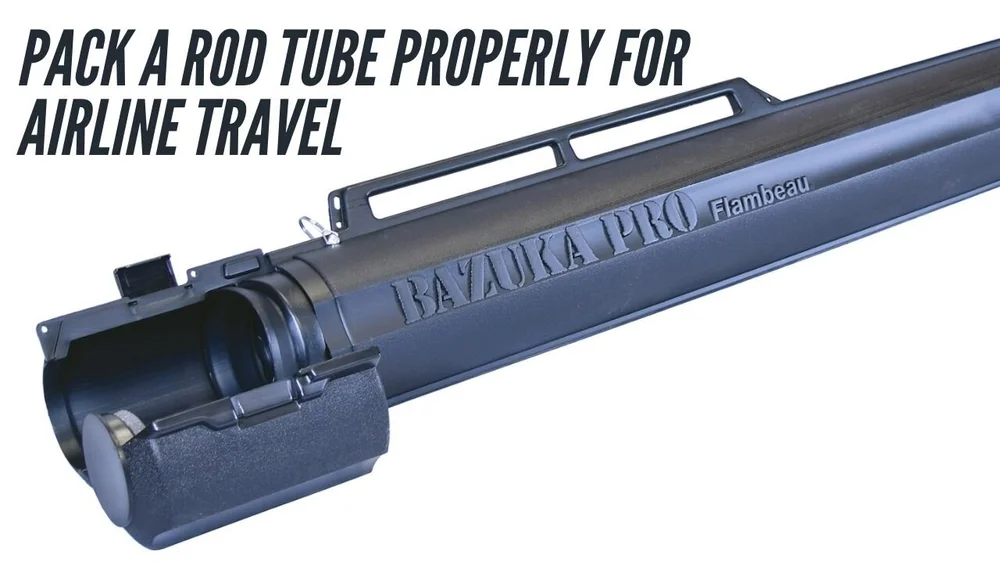
- Hard rod tubes offer strong protection for air travel.
- Backpack rod holders make carrying easier on long trips.
- Car roof racks allow safe transport on vehicles.
Compact Tackle Boxes
Compact tackle boxes keep your fishing gear organized and easy to carry. Small boxes fit into backpacks and travel bags without taking much space. Look for boxes with adjustable compartments.
| Type | Size | Best For |
| Plastic Box | Small to Medium | Lightweight gear |
| Waterproof Box | Small | Protecting lures from water |
| Tackle Bag | Medium to Large | Many tackle items |
| Roll-Up Organizer | Small | Hooks and small tools |
Multi-use Travel Accessories
Multi-use accessories help with more than one task on fishing trips. These tools save space and add convenience. Choose items that combine functions for travel ease.
- Multi-tools with pliers, cutters, and screwdrivers.
- Waterproof dry bags for clothes and electronics.
- Collapsible buckets for carrying water or storing fish.
- Clip-on LED lights for night fishing and emergencies.
Credit: www.halfpastfirstcast.com
Frequently Asked Questions
How Do I Pack A Fishing Rod For Travel?
Disassemble your fishing rod into smaller sections. Use a protective rod tube or case. Wrap each part in soft cloth to avoid damage. Secure all pieces tightly to prevent movement during transit.
Can I Carry A Fishing Rod On A Plane?
Yes, most airlines allow fishing rods as checked baggage. Check airline policies for size and weight restrictions. Use a hard case for protection. Inform the airline staff during check-in to avoid issues.
What’s The Best Fishing Rod Case For Traveling?
Hard cases offer maximum protection against impacts. Soft cases are lightweight and easier to carry. Choose a case with padding and secure straps. Consider water-resistant materials for added durability during travel.
How To Protect Fishing Rod Tips During Transit?
Use foam tube covers or tip protectors. Wrap tips with bubble wrap or cloth. Place rods in a sturdy case to prevent bending. Avoid stacking heavy items on top of your rod case.
Conclusion
Traveling with a fishing rod can be simple. Follow the right steps. Protect your rod with a sturdy case. Consider airline regulations. Pack light, but smart. Use rod tubes for extra safety. Always label your gear. Plan your fishing spots ahead.
This saves time and hassle. Remember, preparation is key. Enjoy your fishing adventures. Create memories with every cast. Happy fishing travels!