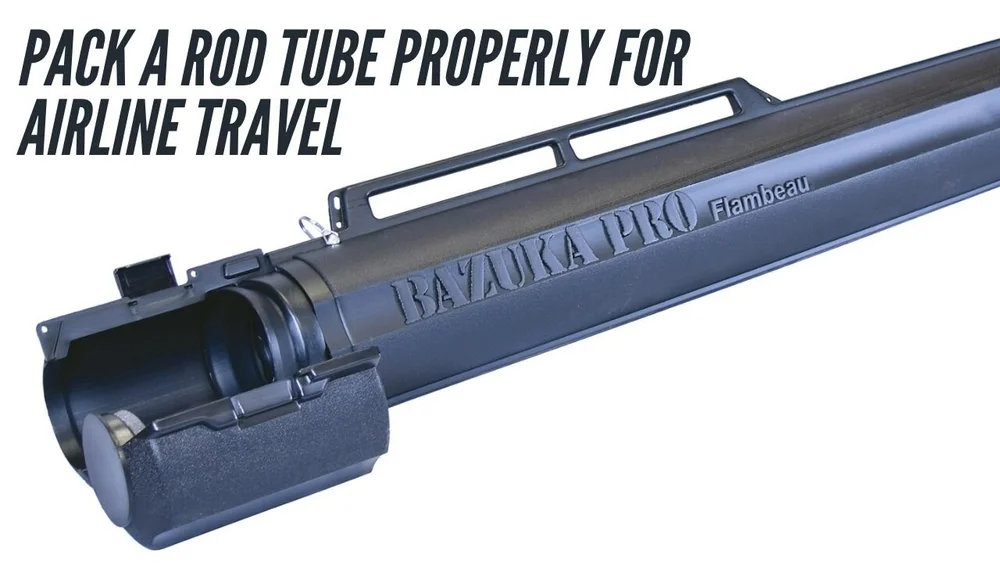
Planning to bring your fishing rods on your next trip? You probably know that traveling with fishing gear can be tricky.
From airline rules to protecting your rods from damage, there are many things you need to consider. But don’t worry – this guide will help you navigate every step with ease. By the end, you’ll feel confident packing your fishing rods and ready to enjoy your adventure without any hassle.
Keep reading to discover smart tips and insider tricks that make traveling with your fishing gear simple and stress-free.
Choosing The Right Fishing Rod
Traveling with fishing rods can be tricky if you do not pick the right type. The right rod makes your fishing trip easier and more fun.
This guide helps you choose fishing rods that fit well for travel. It covers types, compact designs, and durable materials.
Types Of Fishing Rods For Travel
There are many fishing rods. Some are long, some short, and some fold for travel. Knowing the types helps you pick the best one.
- Spinning rods: Good for beginners and light fishing.
- Baitcasting rods: Best for precise casting and bigger fish.
- Trolling rods: Made for fishing from a moving boat.
- Fly rods: Used with special fly fishing lines.
Compact And Telescopic Options
Compact and telescopic rods are great for travel. They take less space and fit in bags or cases easily.
| Type | Description | Best Use |
| Compact Rod | Shorter rods made of separate pieces. | Travel with checked luggage. |
| Telescopic Rod | Rods that slide into themselves to shrink. | Carry in backpacks or small bags. |
Durability And Material Considerations
Strong and light materials make a rod good for travel. They resist damage and keep weight down.
- Graphite rods: Very light and sensitive but can break if bent hard.
- Fiberglass rods: Heavier but more durable and flexible.
- Composite rods: Mix of graphite and fiberglass for balance.
Packing Your Fishing Rod
Packing a fishing rod for travel needs care to avoid damage. You want your rod safe and ready to use.
Using the right tools and methods can protect your fishing gear during trips.
Protective Cases And Tubes
Protective cases and tubes shield your fishing rod from scratches and breaks. Hard cases offer strong defense. Soft tubes are lighter and easier to carry.
- Choose a case slightly longer than your rod.
- Look for padding inside the case for extra safety.
- Use waterproof cases if you expect wet conditions.
- Secure the rod tightly to prevent movement inside.
Disassembling Your Rod
Breaking down your rod into smaller parts helps with packing. Most rods come in two or three pieces that fit together easily.
- Remove the reel and pack it separately.
- Carefully pull apart each rod section.
- Check that joints are clean and dry before packing.
- Wrap each piece to avoid scratches.
- Place sections in your protective case or tube.
Using Rod Socks And Wraps
Rod socks and wraps add an extra layer of protection. They prevent scratches and keep your rod sections from rubbing against each other.
| Type | Description | Benefit |
|---|---|---|
| Rod Sock | A soft cloth tube that slides over the rod. | Protects from scratches and dust. |
| Rod Wrap | A padded wrap that ties around the rod. | Secures rod pieces together and adds cushioning. |
Air Travel Tips
Traveling with fishing rods on airplanes needs some planning. You should know the rules to keep your gear safe.
This guide helps you understand airline policies and how to protect your fishing rods during travel.
Airline Policies On Fishing Gear
Each airline has its own rules about fishing rods. Some treat them as carry-on items. Others require checking them in.
- Check the airline’s website before booking your flight.
- Some airlines limit the length and number of fishing rods.
- Extra fees may apply for oversized or heavy gear.
- Use protective cases that meet airline size rules.
Checking Vs Carrying On
You can either check your fishing rods or carry them on board. Each option has pros and cons.
| Option | Advantages | Disadvantages |
| Carry-On | Keep rods with you; less chance of damage. | Must fit airline size rules; may be hard to store. |
| Checked | No size limit; easier to handle larger rods. | Risk of damage; may need heavy-duty case. |
Avoiding Damage During Security Checks
Security checks can be tough on fishing rods. Follow these tips to protect them.
- Use a hard, sturdy case to protect your rods.
- Remove hooks and sharp objects before packing.
- Label your case as fragile to alert handlers.
- Arrive early to allow extra time for inspection.
- Inform security staff that you carry fishing equipment.

Credit: handingfishing.com
Road Trip And Other Transport Methods
Traveling with fishing rods needs some planning. Different transport ways need different care for your rods.
This guide helps you keep your fishing rods safe on road trips and other travel types.
Securing Rods In Vehicles
Keep fishing rods stable inside your vehicle to avoid damage. Use soft straps or bungee cords to hold them in place.
Place rods where they won’t bend or get crushed. Avoid placing heavy items on top of them.
- Use rod tubes or cases for extra protection
- Secure rods along the vehicle’s length
- Keep rods away from sharp turns or brakes
Using Roof Racks And Interior Storage
Roof racks hold fishing rods outside the vehicle. Use special rod holders or padding to protect rods on the rack.
Inside storage works well for shorter trips. Lay rods flat on the floor or seat with soft covers.
- Wrap rods in cloth or foam to avoid scratches
- Check rack mounts are tight before driving
- Use straps to stop rods from moving on the roof
Boat And Train Travel Tips
On boats, keep rods secure to prevent damage from waves. Use rod holders or store rods in dry, safe spots.
Train travel needs careful packing. Use hard cases and label them. Carry rods with you if allowed.
- Store rods upright or flat to prevent bending
- Use waterproof bags for boat trips
- Check train rules about fishing gear before travel
Handling And Maintenance On The Go
Traveling with fishing rods needs care. Proper handling keeps rods safe. Regular maintenance stops damage during trips.
Keep your rods clean and check them often. Fix small problems fast to avoid big issues later.
Cleaning And Drying Your Rod
After fishing, clean your rod carefully. Remove dirt, salt, and water to protect the material.
Use a soft cloth and fresh water to wipe the rod. Dry it fully to stop rust and mold from forming.
- Rinse rod with fresh water after use
- Use a soft towel to dry all parts
- Store rod in a dry place during travel
Checking For Damage Regularly
Look over your rod every day while traveling. Check guides, tips, and the reel seat for cracks or bends.
Early damage can get worse fast. Finding problems early helps keep your rod working well.
- Inspect rod guides for cracks or missing inserts
- Check rod tip for bends or breaks
- Examine reel seat for looseness
- Look for any cracks on the rod blank
Quick Repairs While Traveling
Carry a small repair kit for the road. Fix minor rod issues fast to avoid bigger damage.
Use tape, glue, or spare parts to handle small breaks or loose pieces. Keep your rod ready for fishing.
- Bring super glue for small cracks
- Use electrical or fishing tape for wraps
- Carry spare rod tip tops and inserts
- Have a small screwdriver for reel seat adjustments
Credit: www.saltwatersportsman.com
Legal And Safety Considerations
Traveling with fishing rods requires attention to legal rules and safety. You must know local laws and follow safety steps. This helps avoid fines and protects you and others.
Proper care during transport keeps your gear safe and prevents accidents. Understanding permits, regulations, and handling tackle is very important.
Local Fishing Regulations
Fishing laws differ by location. Some places limit fishing seasons, rod types, or catch amounts. Check local rules before you go fishing.
Ignoring these rules can cause fines or loss of fishing privileges. Look for official websites or local offices for details.
Permits And Licenses
You often need a fishing permit or license to fish legally. These documents show you have permission to fish in certain areas.
Buy your permits before traveling. Some places require special licenses for certain fish or locations.
- Check if a license is needed for your destination
- Buy licenses from official sources only
- Carry your license with you when fishing
- Renew licenses if your trip lasts a long time
Transporting Hooks And Tackle Safely
Hooks and tackle are sharp and can cause injury. Pack them securely in a tackle box or container. Keep them out of reach of children.
Use covers for hooks to prevent accidents. Store rods carefully to avoid damage during travel.
- Use a hard case or rod tube for rods
- Keep hooks covered or in closed containers
- Pack tackle tightly to avoid movement
- Handle rods gently when loading and unloading
Packing Additional Fishing Gear
Traveling with fishing gear requires careful planning. You need to ensure every item is secure. Let’s explore how to pack additional fishing gear effectively.
Having the right gear can make your fishing trip successful. Packing it well prevents damage and loss.
Tackle Boxes And Accessories
Tackle boxes keep your fishing accessories organized. They protect items like hooks, lines, and sinkers.
- Choose a tackle box with compartments.
- Keep hooks in separate sections to avoid tangling.
- Label each compartment for easy access.
Lures And Baits
Lures and baits are crucial for attracting fish. They should be packed to maintain their effectiveness.
| Lure Type | Storage Tip |
| Plastic Worms | Store in airtight bags |
| Crankbaits | Use padded cases |
| Spinnerbaits | Hang in tackle box |
Clothing And Safety Equipment
Proper clothing and safety equipment are essential. They protect you from the elements and accidents.
Always pack a life jacketfor safety. Check weather conditions and pack waterproof gearif needed.
Credit: www.halfpastfirstcast.com
Frequently Asked Questions
How Do I Pack Fishing Rods For Air Travel?
Use a sturdy rod tube or hard case to protect your rods. Disassemble rods if possible and wrap them in bubble wrap or soft cloth. Label your case and check airline rules for fishing gear before flying.
Can I Bring Fishing Rods On A Plane As Carry-on?
Most airlines require fishing rods to be checked in, not carry-on. Check specific airline policies before travel. Packing rods in a protective case and marking them as fragile helps ensure safe handling.
What Is The Best Way To Transport Fishing Rods By Car?
Use a rod tube or soft rod sleeve to prevent damage. Secure rods in the vehicle to avoid shifting during the drive. Avoid placing heavy items on top of your fishing gear.
Are There Size Restrictions For Fishing Rods On Airlines?
Yes, airlines often have size and weight limits for fishing gear. Check your airline’s baggage policy in advance. Oversized rods may require special handling or additional fees.
Conclusion
Traveling with fishing rods can be simple and stress-free. Pack your rods carefully to avoid damage. Use protective cases for extra safety. Check airline rules before you travel. Keep your gear organized and ready to go. Plan ahead to save time at the airport.
Enjoy your fishing trip without worries. Safe and smart packing makes all the difference. Happy fishing adventures await you!