Your cutting board is one of the most important tools in your kitchen. But if it’s dry, cracked, or stained, it won’t last long or look good.
Treating your cutting board with mineral oil is a simple step you can take to keep it strong, clean, and looking like new. You’ll learn exactly how to do it right, so your cutting board stays protected and ready for every meal you prepare.
Keep reading to discover the easy tricks that will make a big difference for your kitchen.
Choosing The Right Mineral Oil
Mineral oil helps protect and maintain cutting boards. Picking the correct type is important for safety and durability. This guide explains key points about mineral oil choices.
Knowing the difference between food-grade and cosmetic mineral oil will keep your board safe for food use. Also, buying quality mineral oil ensures better results.
Food-grade Vs Cosmetic Mineral Oil
Food-grade mineral oil is safe for kitchen tools and surfaces. Cosmetic mineral oil is made for skin care and may contain additives. Using cosmetic oil on cutting boards is not recommended.
- Food-grade mineral oil:Pure, tasteless, and odorless. Approved for contact with food.
- Cosmetic mineral oil:May have fragrances or chemicals. Not certified for food use.
- Benefits of food-grade oil:Keeps wood hydrated and prevents cracking.
- Risks of cosmetic oil:Can contaminate food and cause health issues.
Where To Buy Quality Mineral Oil
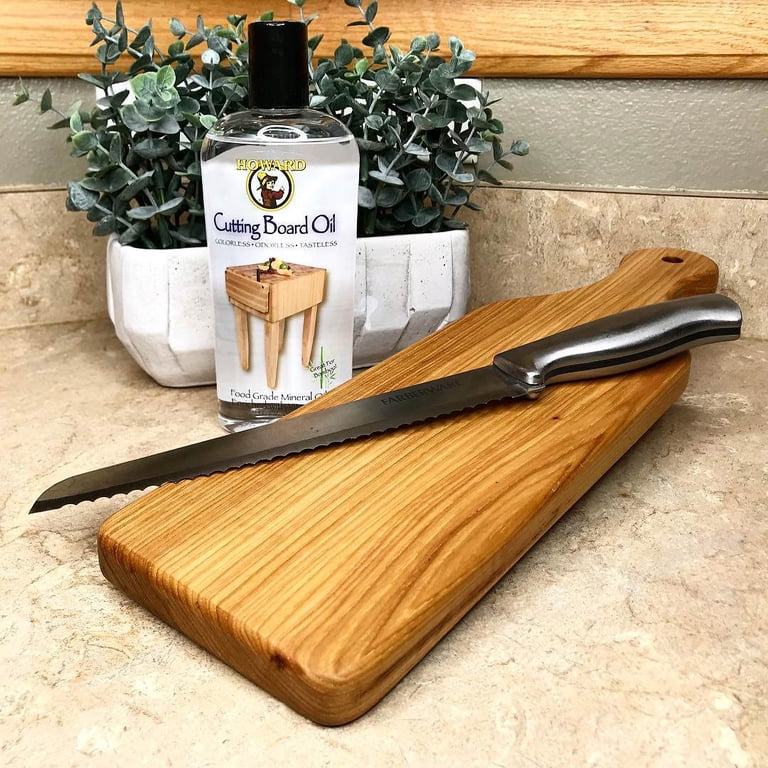
You can find food-grade mineral oil in many places. Choosing a trusted seller ensures you get a safe product. Avoid cheap or unknown brands.
| Store Type | What to Look For | Notes |
| Pharmacies | Food-grade label | Usually safe and pure |
| Hardware Stores | Mineral oil for cutting boards | Check for food-grade certification |
| Online Retailers | Read reviews and product details | Look for trusted brands |
| Specialty Kitchen Stores | Mineral oil made for wood care | Often high quality |

Credit: www.amazon.ie
Preparing Your Cutting Board
Before treating a cutting board with mineral oil, it needs proper preparation. This helps the oil soak in well and protects the wood.
Cleaning and smoothing the surface are key steps. They remove dirt and rough spots that can trap bacteria.
Cleaning And Drying
Start by washing the cutting board with warm, soapy water. Use a sponge or cloth to scrub away food residues.
Rinse the board well and dry it completely with a clean towel. Let it air dry to remove all moisture.
- Use mild dish soap
- Scrub both sides and edges
- Dry with a towel and air dry
Sanding For A Smooth Surface
Sanding the cutting board removes rough patches and old finishes. This makes the surface smooth and ready for oil.
Use fine-grit sandpaper and sand along the grain. Wipe off dust with a damp cloth after sanding.
- Choose 120 to 220 grit sandpaper
- Sand evenly in the wood grain direction
- Clean dust with a damp cloth
Applying Mineral Oil
Applying mineral oil keeps your cutting board safe and clean. It protects the wood from drying out and cracking.
Regular oiling helps the board last longer and stay smooth for cutting.
How Much Oil To Use
Use enough oil to cover the entire surface of the cutting board. You want a thin, even layer.
Too little oil will not protect the wood well. Too much can make the surface sticky.
- Start with about 1 tablespoon of mineral oil for a medium board
- Add more oil if the board soaks it up quickly
- Apply oil to all sides and edges
Best Application Techniques
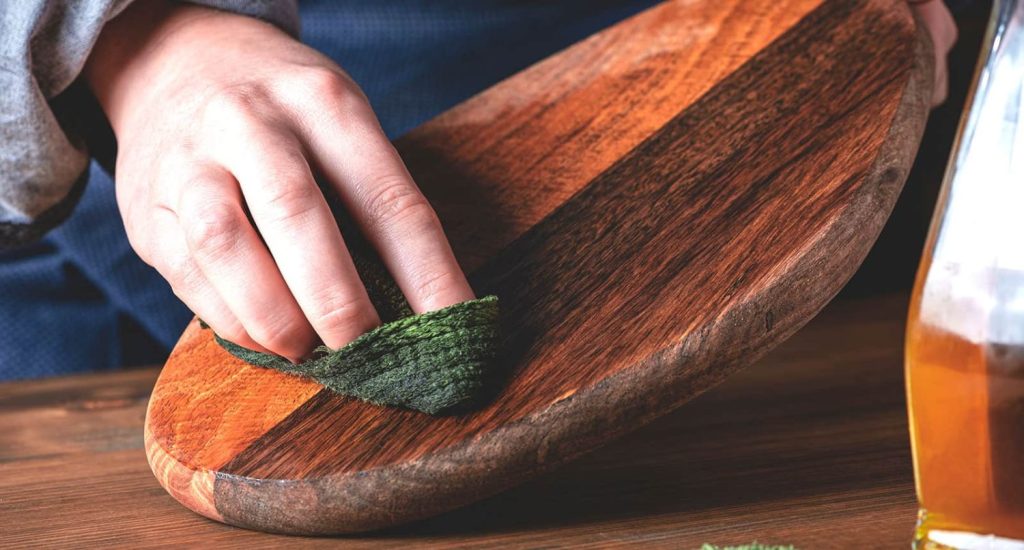
Use a clean, soft cloth or paper towel to apply the oil. This helps spread it evenly.
Rub the oil into the wood in small circles. Cover every part of the board well.
- Pour oil on the board, then spread it with the cloth
- Let the oil soak in for at least 20 minutes
- Wipe off any extra oil that does not absorb
- Repeat oiling every few weeks or when the board looks dry

Credit: www.oldyankeecuttingboards.com
Allowing The Oil To Soak
After applying mineral oil to your cutting board, it needs time to soak in. This process helps protect the wood. It keeps the board from drying out and cracking.
Knowing how long to let the oil soak and when the board is ready is important. These steps improve your board’s life and performance.
Ideal Soaking Time
Mineral oil usually needs several hours to absorb into the wood. You can let it soak for a longer time for better results.
- Apply a generous coat of mineral oil on the board’s surface.
- Let the oil soak for at least 4 to 6 hours.
- If possible, leave it overnight for deep conditioning.
- Wipe off any excess oil that does not absorb.
Signs Your Board Is Well-conditioned
You can tell if the cutting board is ready by checking its surface. A well-conditioned board looks healthy and feels smooth.
| Sign | What It Means |
|---|---|
| Wood looks darker | Oil has soaked in well |
| Surface feels smooth | Board is protected from damage |
| Water beads up | Board resists moisture |
| No sticky or oily feel | Excess oil was wiped off |
Removing Excess Oil
After applying mineral oil to your cutting board, you may notice extra oil on the surface. Removing this excess oil helps keep the board clean and safe to use. It also prevents the board from feeling sticky or greasy.
Proper removal of excess oil improves the board’s appearance and extends its life. Use simple steps to wipe away the extra oil after treatment.
Wiping Tips
Use a clean, dry cloth to wipe off the extra mineral oil. Soft cotton or microfiber cloths work best. Wipe in the direction of the wood grain to avoid scratches.
Give special attention to corners and edges. These areas often hold more oil and need gentle wiping to remove buildup.
- Use a soft, lint-free cloth
- Wipe along the wood grain
- Focus on edges and corners
- Repeat if cloth becomes oily
Preventing Sticky Residue
Sticky residue happens if too much oil stays on the board. To prevent this, avoid applying thick layers of mineral oil. Let the oil soak in for at least 20 minutes before wiping.
After wiping, allow the board to air dry well. This helps the oil set properly and stops stickiness. If needed, wipe again with a dry cloth to remove any leftover oil.
- Apply oil thinly and evenly
- Let oil soak before wiping
- Air dry the board after wiping
- Remove leftover oil with a dry cloth
Maintaining Your Cutting Board
Taking care of your cutting board keeps it safe to use and looking good. Treating it with mineral oil helps protect the wood from cracking and drying out.
Regular maintenance extends the life of your cutting board and keeps it smooth for cutting food.
How Often To Reapply Mineral Oil
You should apply mineral oil to your cutting board about once a month. If you use the board often, you may need to oil it more.
Look for signs like dryness, cracks, or a dull surface. These show your board needs oiling to stay protected.
- Apply oil when the wood looks dry or lighter in color.
- Reapply after washing and drying the board.
- Do not let the oil soak for less than an hour for best results.
Additional Care Tips For Longevity
Besides oiling, clean your cutting board properly to keep it safe and lasting longer. Use mild soap and water after each use.
Dry the board completely before storing it. Avoid soaking it in water or putting it in the dishwasher.
- Use a soft sponge or cloth to clean the board.
- Sanitize with vinegar or lemon juice to remove odors and germs.
- Store the board upright to air dry fully.
- Sand the surface lightly if it becomes rough or stained.
Credit: www.walmart.com
Frequently Asked Questions
How Often Should I Oil My Cutting Board?
Oiling your cutting board every 3-4 weeks keeps it in good condition. Frequent use might require more frequent treatments. Regular oiling prevents the board from drying out and cracking. If it looks dry or feels rough, it’s time to oil it.
What Type Of Mineral Oil Is Best?
Choose food-grade mineral oil for treating cutting boards. It’s safe and odorless. Ensure the oil is labeled as food-safe to avoid harmful chemicals. Avoid using vegetable oils as they can turn rancid. Food-grade mineral oil is affordable and widely available.
Can I Use Other Oils On My Cutting Board?
While mineral oil is recommended, some prefer alternatives like beeswax or coconut oil. Ensure these oils are food-grade. Avoid using olive or vegetable oils as they can spoil. Mineral oil remains the most popular due to its effectiveness and affordability.
Why Is Mineral Oil Important For Cutting Boards?
Mineral oil protects and prolongs the life of your cutting board. It prevents the wood from drying out and cracking. The oil forms a protective barrier against moisture and bacteria. Regular application ensures the board remains in optimal condition for years.
Conclusion
Treating your cutting board with mineral oil keeps it safe and strong. It stops the wood from drying and cracking. Apply the oil regularly for the best care. Your board will look fresh and last longer. This simple step helps keep your kitchen clean and healthy.
Take a few minutes each month to protect your cutting board. Small care makes a big difference. Enjoy cooking on a smooth, well-maintained surface every day.