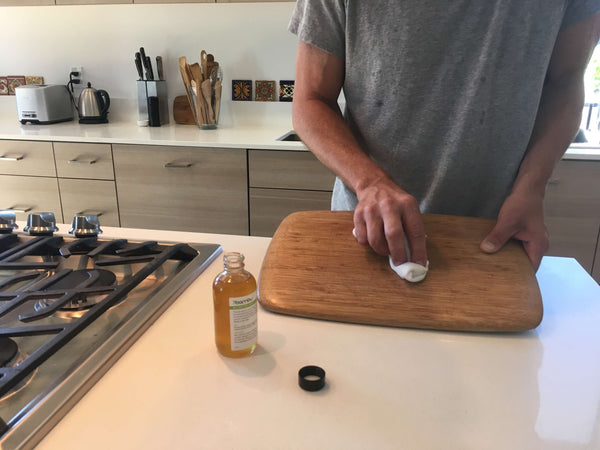
Your bamboo cutting board is more than just a kitchen tool—it’s a hardworking companion that deserves proper care. If you want it to stay strong, clean, and looking great for years, knowing how to treat it right is key.
You’ll discover simple, effective tips that protect your board from cracking, warping, and bacteria buildup. Keep reading, and you’ll learn exactly how to keep your bamboo cutting board in top shape with easy steps you can start today.

Credit: www.amazon.com
Choosing The Right Bamboo Board
Bamboo cutting boards are popular for their strength and eco-friendliness. Picking the right board helps it last longer and stay safe.
Look for a bamboo board that fits your kitchen needs and is easy to care for. This guide helps you choose the best one.
Types Of Bamboo Boards
Bamboo boards come in different styles and sizes. Each type has unique features that suit various kitchen tasks.
- Edge-Grain Boards:Made by gluing bamboo strips side by side. They are smooth and less likely to dull knives.
- End-Grain Boards:Made with bamboo fibers facing up. These boards are gentle on knives but can be pricier.
- Striped Bamboo Boards:Created by mixing bamboo strips of different colors. They add a decorative look to your kitchen.
Choose a type that matches your cutting style and how often you cook.
Quality Indicators
Good quality bamboo boards last longer and resist damage. Check for these signs when buying your board.
- Thickness:Thicker boards are more durable and stable during use.
- Finish:A smooth, sealed surface protects the bamboo and makes cleaning easier.
- Weight:Heavier boards usually mean better quality and less warping.
- Uniform Color:Consistent color shows good craftsmanship and fewer defects.
- Non-Toxic Glue:Safe adhesives keep your board food-safe.
Initial Cleaning Steps
Cleaning a bamboo cutting board properly keeps it safe and durable. It removes germs and food particles after use.
Follow simple cleaning steps to avoid damage and keep the board in good shape.
Washing Techniques
Use warm water and mild soap to clean the bamboo board. Avoid soaking it in water for a long time.
- Rinse the board with warm water immediately after use.
- Apply a small amount of mild dish soap.
- Scrub gently with a soft sponge or cloth.
- Rinse thoroughly to remove all soap.
- Dry the board with a clean towel right away.
Avoiding Damage
| Damage Cause | How to Avoid |
|---|---|
| Excessive water soaking | Do not soak the board; dry it immediately. |
| Harsh cleaning tools | Use soft sponges, not steel wool or rough brushes. |
| High heat exposure | Keep board away from dishwasher and direct heat. |
| Skipping oil treatment | Apply food-safe oil regularly to prevent cracking. |
Seasoning Your Board
Seasoning a bamboo cutting board helps protect it from water and stains. It also keeps the board from drying out and cracking.
Using the right oil and applying it correctly will make your board last longer and stay looking good.
Selecting The Best Oil
Choose an oil that is safe for food contact and will not go rancid. Mineral oil is a common choice for bamboo boards.
- Food-grade mineral oil is odorless and tasteless.
- Coconut oil can work but may leave a scent.
- Avoid vegetable oils that spoil easily.
- Beeswax or a mix of oil and wax adds extra protection.
Application Methods
Apply oil evenly to cover the entire surface, including edges. Let it soak in and wipe off excess oil after a few hours.
| Method | Steps | Benefits |
| Brush or Cloth | Use a clean brush or cloth to rub oil in circles. | Easy to control amount and coverage. |
| Soaking | Place board in a shallow oil bath for 1-2 hours. | Deep penetration for very dry boards. |
| Multiple Thin Coats | Apply thin oil layers several times instead of one thick coat. | Prevents sticky residue and improves absorption. |
Daily Maintenance Tips
Taking care of your bamboo cutting board daily keeps it clean and lasts longer. Simple habits protect it from damage and stains.
Follow easy steps every day to maintain the board’s quality and appearance.
Proper Cleaning Routine
Clean the bamboo board right after use to stop bacteria from growing. Use warm water and mild soap to wash it gently.
Avoid soaking the board or using harsh cleaners. These can cause the bamboo to crack or warp over time.
- Rinse board with warm water
- Apply mild dish soap
- Use a soft sponge or cloth
- Rinse thoroughly to remove soap
- Never soak or use dishwasher
Drying Practices
Dry your bamboo board well after washing. Leaving it wet can cause mold or splitting.
Stand the board upright or place it on a rack. Air circulation helps it dry faster and safer.
- Use a clean towel to pat dry
- Store board upright to air dry
- Avoid stacking boards while wet
- Keep board in a dry place
Removing Stains And Odors
Bamboo cutting boards are popular for their durability and eco-friendliness. Over time, stains and odors can build up on the surface.
Cleaning them properly helps keep the board fresh and safe for food preparation.
Natural Remedies
Natural ingredients can remove stains and odors without damaging the bamboo. They are safe and easy to find at home.
- Rub the board with half a lemon to lift stains and freshen odors.
- Sprinkle baking soda on the board, scrub gently, then rinse.
- Use white vinegar to wipe the surface and kill bacteria causing odors.
- Apply salt and rub with a lemon half to remove tough stains.
Preventive Measures
Taking care of your bamboo board prevents stains and odors from forming. Regular care extends its life.
- Clean the board immediately after use with mild soap and warm water.
- Dry the board completely before storing to avoid moisture buildup.
- Apply mineral oil regularly to keep the bamboo sealed and protected.
- Use separate boards for meats and vegetables to reduce odor transfer.

Credit: forest-decor.com
Repairing Minor Damage
Bamboo cutting boards can get small scratches or dents from regular use. Fixing these minor damages helps keep the board smooth and safe.
Repairing small damage is easy and improves the board’s look. You only need a few simple tools.
Sanding Techniques
Light sanding removes scratches and smooths rough spots. Use fine-grit sandpaper for best results.
Sand in the direction of the bamboo grain to avoid more scratches. Wipe away dust with a damp cloth after sanding.
- Start with 220-grit sandpaper for rough spots
- Finish with 320-grit sandpaper for smooth surface
- Always sand gently and evenly
Reapplying Oil
After sanding, apply food-safe mineral oil to protect the bamboo. Oil keeps the board from drying out and cracking.
Use a clean cloth to spread the oil evenly. Let it soak in for several hours or overnight, then wipe off excess oil.
- Choose food-safe mineral or bamboo oil
- Apply a thin, even layer with a soft cloth
- Allow oil to absorb fully before use
- Repeat oiling regularly for best care
Storage And Handling
Proper storage and handling keep bamboo cutting boards in good shape. It helps them last longer and stay safe to use.
Taking care of your board prevents damage like cracks or stains. It also keeps the wood from drying out or warping.
Ideal Storage Conditions
Store your bamboo cutting board in a dry place. Avoid spots that get too hot or too cold.
Keep the board away from direct sunlight. Sunlight can cause the bamboo to fade or dry out.
- Place the board upright or flat on a clean surface
- Keep it away from heat sources like stoves
- Store in a well-ventilated area to avoid moisture buildup
- Make sure it is fully dry before storing
Avoiding Warping
Warping happens when bamboo absorbs too much water or dries unevenly. Handle your board carefully to stop this.
Do not soak your board in water. Clean it quickly and dry it right away.
- Wash with warm, soapy water after use
- Dry with a clean towel immediately
- Do not leave the board standing in water
- Avoid sudden temperature changes
- Oil the board regularly to keep moisture balanced
When To Replace Your Board
Bamboo cutting boards last a long time with good care. But they do wear out.
Knowing when to replace your board helps keep your kitchen safe and clean.
Signs Of Wear
Look closely for deep cracks or splits on the board. These can trap germs.
- Large, deep cuts that do not smooth out after sanding
- Warping or bowing that affects stability
- Discoloration that looks like mold or mildew
- Rough, splintered surfaces that may hurt your hands
Safety Considerations
| Risk | Cause | Action |
| Bacterial Growth | Deep cuts and cracks | Replace board immediately |
| Cross-contamination | Warped surface causing food to slide | Stop using board and get a new one |
| Injury | Splinters or rough edges | Smooth surface or replace board |

Credit: miti-life.com
Frequently Asked Questions
How To Clean A Bamboo Cutting Board?
To clean a bamboo cutting board, use warm water and mild soap. Avoid soaking it in water. Rinse thoroughly and towel dry immediately to prevent warping or cracking. Regularly apply mineral oil to maintain its sheen and durability. Always ensure it’s completely dry before storing.
Can I Put Bamboo Cutting Boards In The Dishwasher?
No, avoid putting bamboo cutting boards in the dishwasher. The high heat and water can cause warping and cracking. Instead, hand wash it with warm soapy water and rinse thoroughly. Towel dry immediately to maintain its condition and longevity. Regular oiling also helps in preserving its quality.
How Often Should I Oil My Bamboo Board?
Oil your bamboo cutting board once a month. Use food-grade mineral oil for the best results. Apply a thin layer and let it soak overnight. Wipe off the excess oil the next day. Regular oiling helps maintain its appearance and prevents it from drying out or cracking.
What Oil Is Best For Bamboo Cutting Boards?
Food-grade mineral oil is best for bamboo cutting boards. It’s safe, non-toxic, and penetrates the wood deeply. Mineral oil helps in keeping the board moisturized and prevents it from cracking. Regular application ensures the cutting board remains durable and enhances its longevity.
Conclusion
Treating your bamboo cutting board keeps it strong and clean. Regular oiling stops cracks and warping. Clean the board with mild soap and warm water after use. Avoid soaking or putting it in the dishwasher. Dry it well to prevent moisture damage.
With simple care, your bamboo board lasts longer and stays safe for food. Small steps make a big difference. Keep your kitchen tools in top shape. Enjoy cooking with a well-treated bamboo cutting board every day.