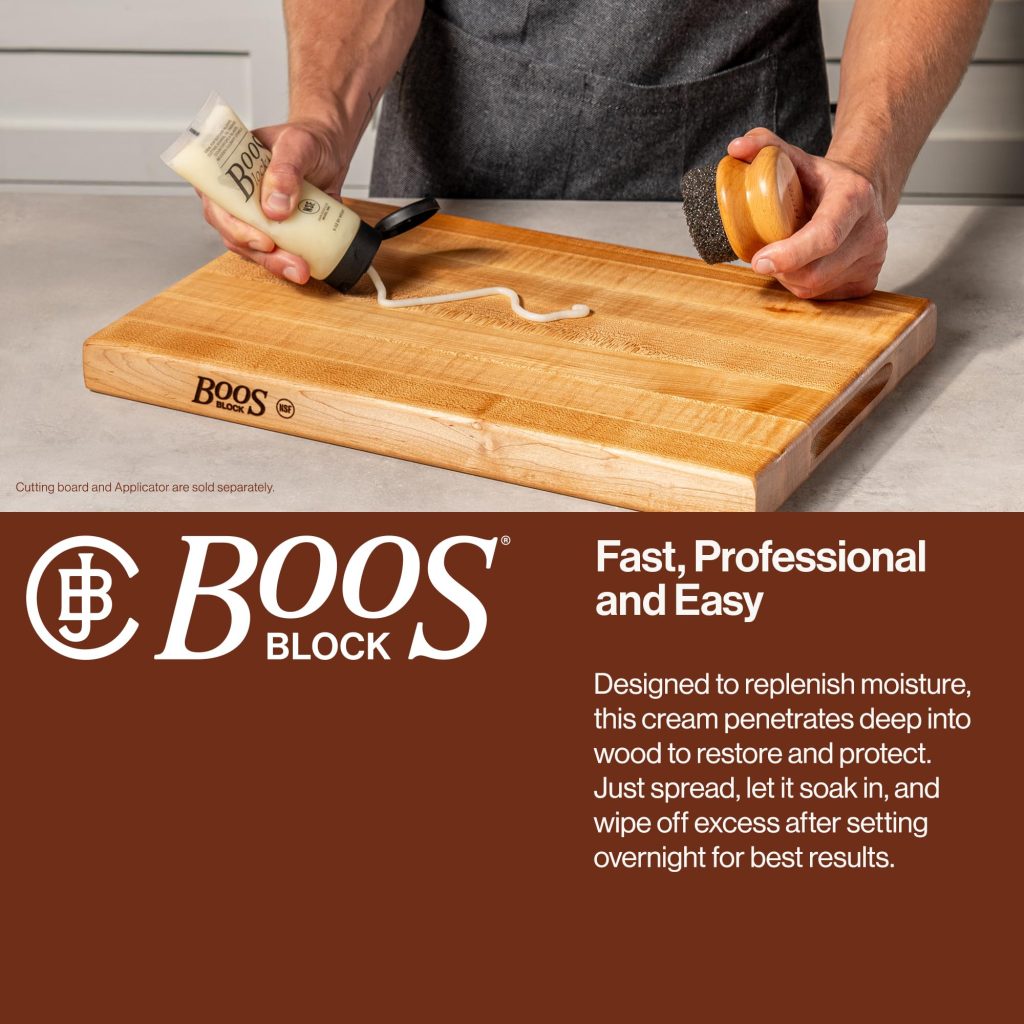
Your cutting board is more than just a kitchen tool—it’s where you prepare meals for yourself and your loved ones. But over time, wood boards can dry out, crack, or even harbor bacteria if not cared for properly.
Treating your cutting board with mineral oil is a simple, effective way to protect it and keep it looking like new. You’ll learn exactly how to do this step-by-step, so your board stays strong, safe, and ready for every meal.
Keep reading to discover the easy routine that will extend your cutting board’s life and improve your kitchen experience.

Credit: kingsfleet.ca
Why Use Mineral Oil
Mineral oil helps keep cutting boards in good shape. It protects wood from water and stains. This keeps the board looking new longer.
Using mineral oil is a simple way to care for your kitchen tools. It makes the board safe and ready for food prep.
Benefits For Wood
Mineral oil soaks into wood and stops it from drying out. Dry wood can crack and split, which ruins your board.
- Prevents wood from cracking
- Stops water from soaking in
- Reduces stains and odors
- Keeps wood smooth and shiny
- Extends the life of the cutting board
Safety For Food Prep
Mineral oil is safe for use on surfaces that touch food. It does not go bad or become sticky.
| Feature | Mineral Oil | Other Oils |
| Food Safe | Yes | Sometimes no |
| Rancidity Risk | None | High |
| Sticky Residue | No | Yes |
| Ease of Cleaning | Easy | Hard |
Choosing The Right Mineral Oil
Mineral oil protects your cutting board from drying out and cracking. It also keeps the wood smooth and safe for food use.
Choosing the right type of mineral oil is important to keep your board in good shape and avoid harmful substances.
Food-grade Options
Use only food-grade mineral oil for your cutting board. This oil is safe to use with food and will not cause harm.
- Look for mineral oil labeled as “food-grade” or “USP grade.”
- Avoid oils with added fragrances or colors.
- Pure mineral oil is odorless and tasteless.
- Mineral oil used for machinery or industrial use is not safe for cutting boards.
Avoiding Contaminants
Contaminants in mineral oil can harm your health and damage your cutting board.
| Contaminant | Risk | How to Avoid |
| Petroleum additives | Can be toxic if ingested | Choose pure, food-grade oil |
| Fragrances and dyes | May cause allergic reactions | Use unscented, colorless oil |
| Industrial oils | Contain harmful chemicals | Do not use non-food-grade oils |
Preparing Your Cutting Board
Before treating your cutting board with mineral oil, you must prepare it well. Proper preparation helps the oil soak in evenly.
Good preparation keeps your board clean and protects the wood. It makes the treatment more effective.
Cleaning Before Treatment
Clean your cutting board to remove dirt and food particles. Use warm water and mild soap for washing.
Scrub the surface gently with a sponge or brush. Avoid soaking the board in water to prevent damage.
- Rinse the board well after washing
- Use a clean cloth to wipe off excess water
- Remove any stains or odors before oiling
Drying Completely
After cleaning, dry your cutting board fully. Moisture left inside the wood stops the oil from soaking in.
Place the board in a dry, well-ventilated area. Let it air dry for several hours or overnight.
- Stand the board upright to air dry both sides
- Do not use direct heat or sunlight to dry
- Check the board is dry before applying oil

Credit: www.oldyankeecuttingboards.com
Applying Mineral Oil Step-by-step
Mineral oil keeps your cutting board smooth and protected. Applying it correctly helps wood last longer. Follow these simple steps for the best results.
This guide covers how much oil to use, how to spread it evenly, and how long to let it soak in.
Amount To Use
Use enough mineral oil to cover the entire surface without pooling. Too little oil won’t protect the wood well. Too much oil can leave a sticky surface.
- Pour a small amount of oil onto the board—about one tablespoon for a medium-sized board.
- Add more oil as needed to cover all areas evenly.
- Apply oil to both sides and edges of the board.
Techniques For Even Coverage
Spread the oil using a clean, soft cloth or paper towel. Move in circular motions to cover every spot. Don’t forget the edges and corners.
| Tool | How to Use |
|---|---|
| Cloth | Rub oil in circles, covering entire board surface. |
| Paper Towel | Fold and apply oil evenly, then smooth out excess. |
| Brush | Use a soft brush to reach grooves or textured areas. |
Soaking Time
Allow the mineral oil to soak into the wood for best results. This helps the board absorb oil deep inside, preventing cracks and dryness.
- Let the board sit for at least 20 minutes after applying oil.
- If the wood looks dry, apply a second coat and soak again.
- Wipe off any excess oil with a clean cloth before use.
Frequency Of Treatment
Keeping your cutting board treated with mineral oil is important. It helps protect the wood and keeps it in good shape.
The frequency of oiling depends on how often you use the board and the condition of the wood.
Signs Your Board Needs Oil
Look for these signs to know when your board needs mineral oil treatment.
- The wood looks dry or faded.
- Water no longer beads on the surface.
- Cracks or splits start to appear.
- The board feels rough or uneven.
Seasonal Care Tips
Seasonal changes affect your cutting board. Adjust your oiling routine accordingly.
| Season | Oiling Frequency | Care Tips |
| Winter | Every 2 weeks | Air is dry; oil more often to prevent cracks. |
| Spring | Monthly | Humidity rises; maintain regular oiling. |
| Summer | Every 3 weeks | Heat may dry wood; keep it oiled. |
| Fall | Monthly | Prepare board for cooler, dryer months. |
Additional Care Tips
Keeping your cutting board in good shape takes more than just applying mineral oil. You need to protect it from damage and store it right. These extra steps help your board last longer.
Read these tips to avoid common problems like warping and cracks. Also, learn the best ways to store your cutting board safely.
Avoiding Warping And Cracks
Wood cutting boards can warp or crack if they get too wet or dry. Keep your board flat and dry to stop damage.
- Do not soak the board in water for a long time.
- Dry the board completely after washing it.
- Apply mineral oil regularly to keep the wood moist.
- Use both sides of the board to avoid uneven wear.
- Keep the board away from direct heat or sunlight.
Proper Storage
Storing your cutting board correctly helps keep its shape and quality. Avoid places where moisture or heat could damage it.
| Storage Method | Why It Works |
| Store flat on a dry surface | Prevents warping by keeping the board stable |
| Stand upright with air flow | Allows board to dry evenly on all sides |
| Avoid stacking heavy items on top | Stops pressure that can cause cracks |
| Keep away from heat sources | Prevents wood from drying out too fast |
Common Mistakes To Avoid
Treating a cutting board with mineral oil keeps it safe and long-lasting. Many people make simple mistakes that reduce the oil’s benefits.
Knowing what to avoid helps keep your board in good condition and protects your kitchen tools.
Using The Wrong Oil
Not all oils are safe for cutting boards. Some oils can go rancid and cause bad smells or sticky surfaces.
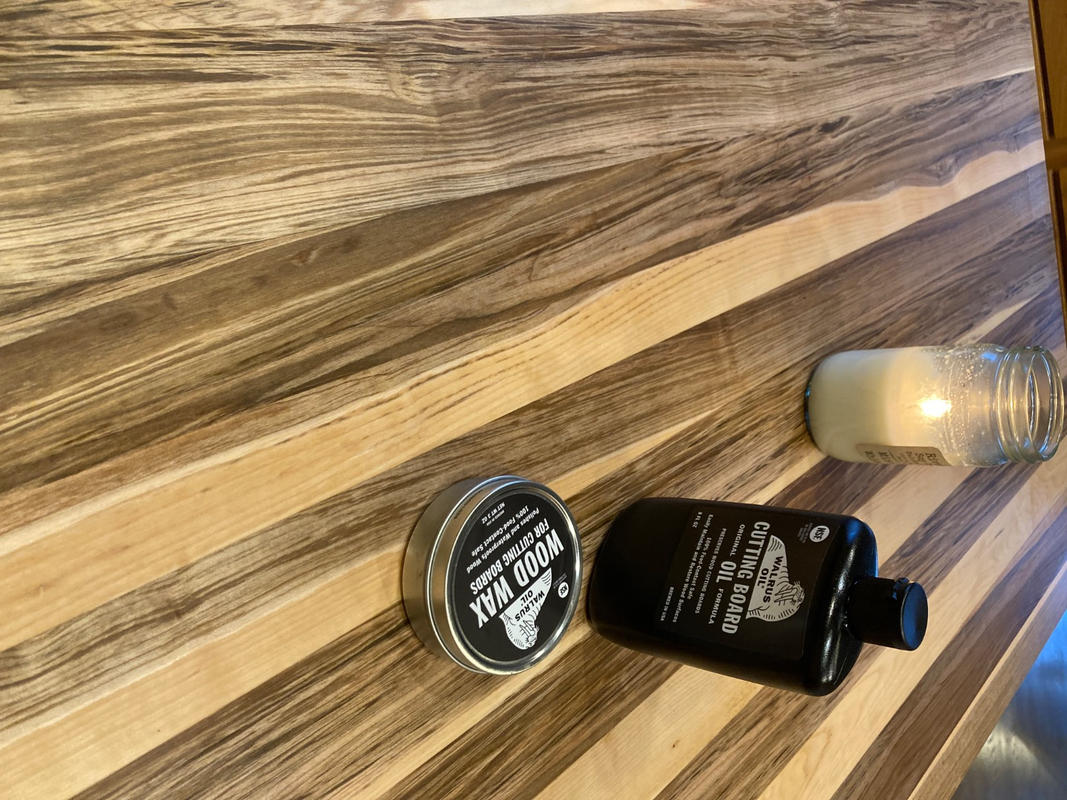
- Do not use cooking oils like olive or vegetable oil. They spoil easily.
- Choose food-grade mineral oil made for cutting boards.
- Avoid oils with added scents or colors.
- Never use non-food-safe oils, as they can be harmful.
Over-oiling
Applying too much mineral oil can cause problems. The board might become sticky and attract dirt.
| Problem | Effect |
|---|---|
| Excess oil on surface | Sticky texture and dirt buildup |
| Oil pooling in cracks | Slower drying and uneven protection |
| Too frequent oiling | Wasted oil and no added benefits |
Apply a thin, even layer and wipe off extra oil after 20 minutes. Let the board dry fully before use.
Credit: walrusoil.com
Frequently Asked Questions
What Is The Purpose Of Mineral Oil For Cutting Boards?
Mineral oil prevents wood cutting boards from drying out and cracking. It acts as a sealant, repelling water and bacteria. Applying mineral oil regularly maintains the board’s longevity and hygiene. It enhances the board’s appearance by bringing out the natural wood grain.
How Often Should I Oil My Cutting Board?
You should oil your cutting board at least once a month. However, if you use it frequently, consider oiling it weekly. Regular oiling ensures the board remains in good condition and prolongs its lifespan. A well-maintained board is more resistant to moisture and bacteria.
Can I Use Any Oil On My Cutting Board?
No, not all oils are suitable for cutting boards. Use food-grade mineral oil, as it is safe and odorless. Avoid vegetable oils, as they can become rancid. Mineral oil provides the best protection against moisture and bacteria without affecting food flavor.
How Do I Apply Mineral Oil To My Board?
To apply mineral oil, pour a small amount onto the board. Use a clean cloth to spread the oil evenly. Let it soak in for a few hours or overnight. Wipe off any excess oil with a dry cloth before using the board.
Conclusion
Treating your cutting board with mineral oil keeps it strong and clean. It stops the wood from drying out and cracking. Regular oiling helps the board last longer. Apply oil every few weeks or when the wood looks dry. This simple step protects your kitchen tool and makes cutting safer.
Take care of your board, and it will serve you well. Easy to do, and worth the time. Keep your cutting board healthy and ready for every meal.