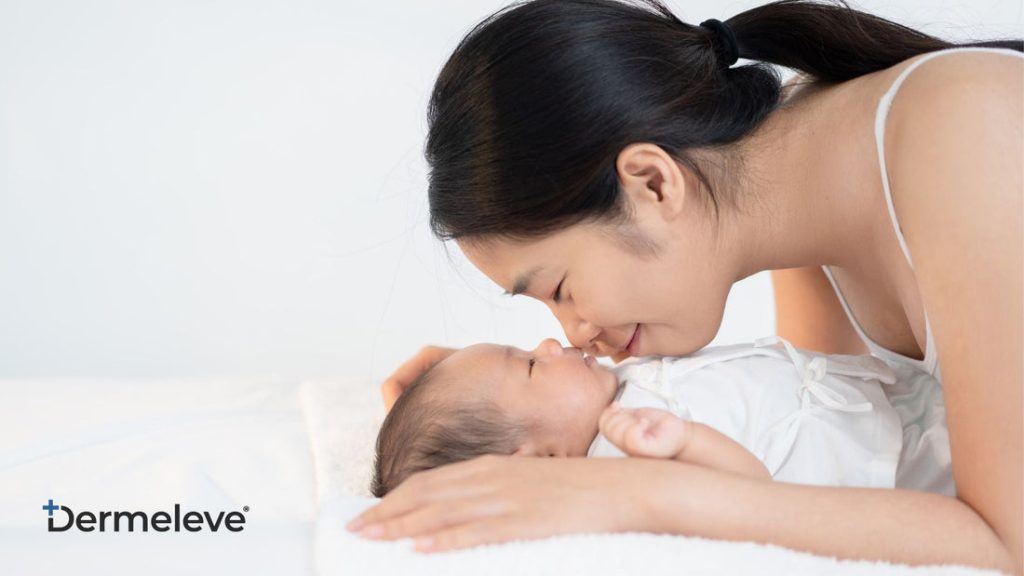
Many new mothers face skin problems after giving birth. One common issue is postpartum eczema. This condition causes red, itchy, and dry skin. It can make new moms feel uncomfortable and tired. But don’t worry. There are simple ways to treat postpartum eczema and feel better.

Credit: www.medicalnewstoday.com
What Is Postpartum Eczema?
Postpartum eczema is a type of eczema that happens after a woman gives birth. Eczema means the skin becomes inflamed. It can look like red patches or dry, flaky areas. The skin may also feel very itchy or sore.
Many women notice eczema on their hands, arms, or face after they have a baby. The skin changes happen because of many reasons. Hormones, stress, and changes in the immune system can all cause eczema to appear.
Why Does Postpartum Eczema Happen?
- Hormone changes: After birth, hormone levels change quickly. This can affect the skin and cause eczema.
- Stress: Having a new baby is exciting but can also be stressful. Stress can make eczema worse.
- Dry skin: Pregnancy and breastfeeding can dry out the skin. Dry skin makes eczema more likely.
- Immune system changes: The body’s immune system changes after birth. This can cause inflammation and skin problems.
Signs and Symptoms of Postpartum Eczema
It is important to know the signs of postpartum eczema. This helps you find the right treatment early.
- Red or pink patches on the skin
- Dry, flaky, or scaly skin
- Itching that can be strong and constant
- Small bumps or blisters in some cases
- Skin that feels rough or cracked
How to Treat Postpartum Eczema
Treating postpartum eczema means caring for your skin gently. It also means making some changes in your daily routine. Here are simple and effective ways to help your skin heal.
1. Keep Your Skin Moisturized
Moisturizing is the most important step. Use creams or ointments that keep your skin soft. Look for products with simple ingredients. Avoid perfumes or dyes that may irritate the skin.
Apply moisturizer right after you wash your skin. This helps lock in water. Use it often, especially on dry or itchy areas.
2. Use Mild Soap And Warm Water
Harsh soaps can make eczema worse. Choose mild, fragrance-free soaps or cleansers. Use warm water, not hot. Hot water can dry out the skin more.
Wash gently and avoid scrubbing. Pat your skin dry with a soft towel. Then apply moisturizer quickly.
3. Avoid Scratching
Scratching can damage the skin and cause infections. It can also make itching worse. Try to keep your nails short. Use cool compresses to calm itching. If itching is strong, talk to your doctor about safe medicines.
4. Wear Comfortable Clothes
Choose soft, breathable fabrics like cotton. Avoid wool or synthetic clothes that can irritate skin. Loose clothes help the skin breathe. This reduces itching and irritation.
5. Manage Stress
Stress makes eczema worse. Try to find time to relax. Deep breathing, gentle walks, or listening to music can help. Ask family or friends for support. Taking care of yourself is important.
6. Protect Your Skin From Cold And Heat
Cold weather can dry out your skin. Use a humidifier in your home if the air is dry. In hot weather, avoid sweating too much. Sweat can irritate eczema. Stay in cool places when possible.
7. Watch What You Eat
Sometimes, certain foods can make eczema worse. Common triggers are dairy, nuts, or eggs. Keep a simple food diary. Note if your skin gets worse after eating certain foods. Talk to a doctor or dietitian before changing your diet.
8. Use Doctor-recommended Treatments
If your eczema is severe, see a doctor. They may recommend special creams. These might include mild steroids or other medicines. Always use medicines as your doctor tells you. Do not use strong creams for a long time without advice.
When to See a Doctor
Most postpartum eczema can be treated at home. But sometimes, you need medical help. See a doctor if:
- Your skin gets very red or swollen
- You see pus or signs of infection
- Itching is very bad and does not stop
- Home treatments do not help after two weeks
- You feel tired or have fever with your skin problems
Tips to Prevent Postpartum Eczema Flare-Ups
It is good to prevent eczema from coming back. Here are some easy tips:
- Keep your skin clean and moisturized every day
- Avoid harsh soaps and hot showers
- Wear soft, loose clothes
- Manage stress with rest and support
- Drink plenty of water to keep skin hydrated
- Use a humidifier in dry weather
- Protect skin from cold wind and sun

Credit: scottsdalenaturopathic.com
How to Care for Your Skin While Breastfeeding
Many new mothers breastfeed their babies. This can sometimes affect skin care. Here are safe ways to care for your skin:
- Choose creams safe for breastfeeding
- Wash your hands before feeding
- Keep nipple skin clean and dry
- Avoid strong perfumes or chemicals on your skin
- Talk to your doctor about any skin treatment
Summary Table: Postpartum Eczema Care
| Step | What to Do | Why It Helps |
|---|---|---|
| Moisturize | Use gentle creams often | Keeps skin soft and hydrated |
| Clean Gently | Use mild soap and warm water | Prevents drying and irritation |
| Do Not Scratch | Use cool compresses for itching | Stops skin damage and infection |
| Wear Soft Clothes | Choose cotton, avoid rough fabrics | Reduces skin irritation |
| Manage Stress | Rest, relax, and ask for support | Helps skin heal and stay healthy |
| See Doctor | If eczema is severe or infected | Get proper medicine and advice |
Final Thoughts
Postpartum eczema can be hard to live with. But with care, it gets better. Take small steps every day to protect your skin. Moisturize often, avoid harsh soaps, and reduce stress. Remember, you are not alone. Many mothers face this problem and find relief.
Be patient with your skin and yourself. If you need help, ask a doctor. Healthy skin will come with time. Focus on caring for your baby and yourself. You both deserve comfort and happiness.
Frequently Asked Questions
What Causes Postpartum Eczema Flare-ups?
Hormonal changes and dry skin after childbirth often trigger postpartum eczema flare-ups.
How Can I Soothe Itchy Postpartum Eczema Skin?
Use gentle moisturizers and cool compresses to relieve itching and calm the skin.
Is Postpartum Eczema Dangerous For My Baby?
Postpartum eczema is not harmful to your baby but keep skin clean and dry.
Can Breastfeeding Worsen Postpartum Eczema Symptoms?
Breastfeeding may irritate skin, but mild eczema usually doesn’t affect nursing.