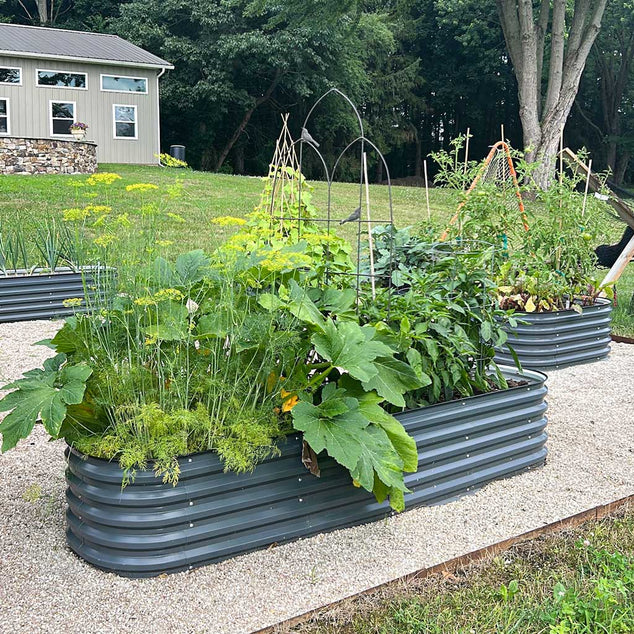
Growing cucumbers in a raised garden bed is a smart choice, but trellising them can take your harvest to the next level. When you learn how to trellis cucumbers properly, you’ll save space, keep your fruits clean, and make picking easier.
Imagine reaching into your garden and grabbing crisp, straight cucumbers without bending over or dealing with messy vines. If you want to maximize your garden’s potential and enjoy a bigger, healthier crop, this guide will show you exactly how to set up a simple, effective trellis for your cucumbers.
Keep reading to discover easy steps you can start using today!
Benefits Of Trellising Cucumbers
Trellising cucumbers helps plants grow upward instead of spreading on the ground. This method saves space and keeps fruits clean.
Growing cucumbers on a trellis improves air circulation. It also makes harvesting easier and reduces pest problems.
Space Saving
Trellising cucumbers allows you to grow more plants in a small area. This is perfect for raised garden beds with limited space.
Healthier Plants
Keeping cucumber vines off the ground stops fruits from rotting. It also reduces the risk of fungal diseases.
Easier Harvesting
When cucumbers grow on a trellis, you can see the fruits clearly. This makes picking cucumbers faster and less damaging to the plant.
Better Air Circulation
Good air flow around the plants lowers moisture levels. This helps prevent mold and mildew on leaves and fruits.
- Reduces fungal diseases
- Improves plant health
- Speeds up drying after rain or watering
Improved Fruit Quality
Trellised cucumbers grow straighter and cleaner. They get better sun exposure, which helps them ripen evenly.
| Benefit | Effect on Cucumbers |
| Space Saving | More plants in small beds |
| Healthier Plants | Less rot and disease |
| Easier Harvesting | Quick and gentle picking |
| Better Air Circulation | Lower mold risk |
| Improved Fruit Quality | Straighter, cleaner cucumbers |

Credit: www.youtube.com
Choosing The Right Trellis
Trellising cucumbers helps keep the plants healthy and saves space. A good trellis supports the vines and makes harvesting easier.
Choosing the right trellis depends on the materials available and the size of your cucumber plants. Consider these factors before building your trellis.
Materials To Consider
You can use many materials for cucumber trellises. Wood, metal, and plastic are common choices. Each has its benefits and drawbacks.
Wood is easy to work with and looks natural. Metal is strong and lasts a long time. Plastic is lightweight and often cheaper.
- Wood: easy to build, natural look
- Metal: sturdy and durable
- Plastic: lightweight and affordable
- Mesh or netting: supports vines well
Height And Support Needs
Cucumbers need a trellis tall enough to hold their vines. Most cucumber plants grow between 5 and 7 feet tall. Choose a trellis that is at least 6 feet high.
Strong support is important to hold the weight of the growing cucumbers. Make sure the trellis is stable and can stand up to wind and rain.
- Height: 6 to 7 feet tall
- Stable base for strong support
- Space between supports for good air flow
- Easy access for harvesting
Preparing The Raised Bed
Growing cucumbers in a raised bed helps control soil and drainage. Proper preparation gives plants a strong start.
Setting up your bed well makes it easier to support cucumber vines with a trellis. This improves air flow and fruit quality.
Soil Preparation
Cucumbers need loose, fertile soil that drains water well. Rich soil helps roots grow deep and healthy.
Mix compost or aged manure into the raised bed before planting. This adds nutrients and improves soil texture.
- Remove weeds and debris from the bed
- Loosen soil to at least 12 inches deep
- Add 2-3 inches of compost for nutrients
- Mix soil and compost evenly
- Test soil pH; aim for 6.0 to 7.0
Optimal Location
Choose a spot with full sun. Cucumbers need at least 6 to 8 hours of sunlight daily to grow well.
Place the raised bed where air flows freely but is shielded from strong winds. This helps keep plants healthy.
- Pick a level area to keep soil and water even
- Avoid low spots that hold water too long
- Keep the bed away from large trees or bushes
- Ensure easy access for watering and maintenance

Credit: www.reddit.com
Installing The Trellis
Installing a trellis helps cucumbers grow tall and stay healthy. It saves space in your raised garden bed.
A strong trellis makes picking cucumbers easier and keeps fruits off the soil.
Positioning The Trellis
Place the trellis on the sunny side of your raised bed. Cucumbers need full sun to grow well.
Make sure the trellis is close enough so vines can reach it easily. Leave some space for walking.
- Set trellis on south or west side
- Keep trellis 6-12 inches from plants
- Leave 2 feet for walking space
Securing The Structure
Use strong stakes or posts to hold the trellis steady. Push them deep into the soil for support.
Tie the trellis frame to the posts with garden twine or zip ties. Check regularly to keep it tight.
- Drive stakes at least 12 inches deep
- Attach trellis frame firmly to stakes
- Use weather-resistant ties
- Inspect ties every few weeks
Planting Cucumber Seeds
Planting cucumber seeds in a raised garden bed helps cucumbers grow well. Raised beds improve soil drainage and warmth. This makes it easier for seeds to sprout and grow strong.
Good planting starts with choosing the right seeds and using the best techniques. These steps help your cucumber plants climb the trellis easily and produce healthy fruits.
Seed Selection
Select cucumber seeds that suit your garden space and climate. Pick varieties that grow well on trellises. Some types have smaller vines and work better in raised beds.
Look for seeds labeled as resistant to common cucumber diseases. Disease resistance helps plants stay healthy and produce more cucumbers.
- Choose bush or vining cucumber varieties
- Pick seeds suited for your local climate
- Use disease-resistant seeds if possible
- Check seed packet for days to maturity
Planting Techniques
Plant cucumber seeds about one inch deep in loose, rich soil. Space seeds 12 to 18 inches apart to allow room for growth. Water the soil gently to keep it moist but not soggy.
Plant seeds after the last frost date when the soil is warm. Thin seedlings to keep the strongest plants. Train young vines to grow up the trellis early for best results.
- Plant seeds 1 inch deep in raised bed soil
- Space seeds 12–18 inches apart
- Keep soil moist but not wet
- Plant after frost when soil is warm
- Thin seedlings to strongest plants
- Guide young vines onto trellis early
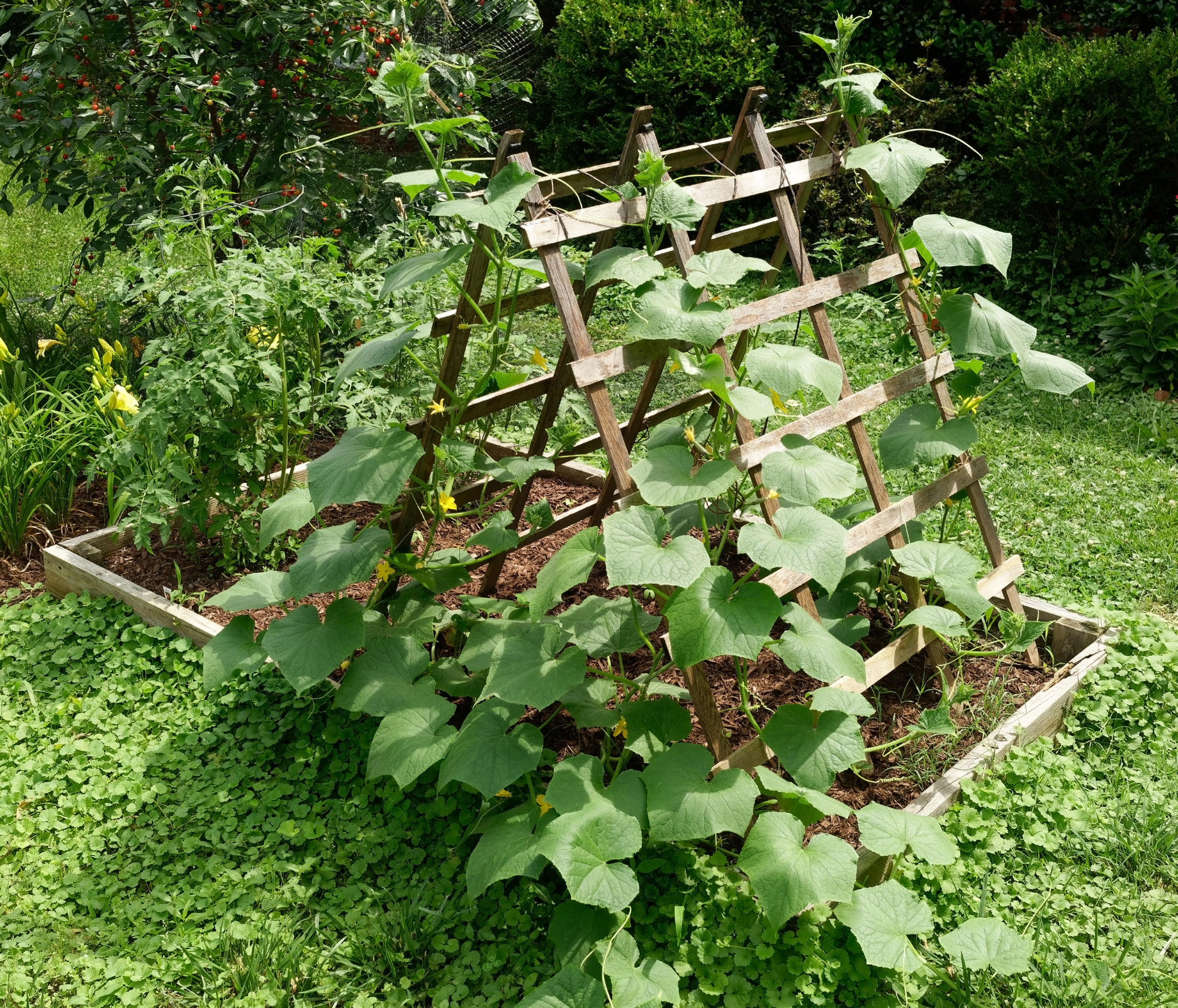
Credit: primexgardencenter.com
Training Cucumbers To Climb
Growing cucumbers in a raised garden bed is easier with a trellis. Training the vines to climb saves space and keeps fruit clean. It also helps the plants get more sunlight and air.
Using a trellis encourages healthy growth and makes harvesting simpler. Proper training supports strong vines and better cucumber yield.
Guiding The Vines
Start guiding cucumber vines when they are young and flexible. Gently lift the vines and place them on the trellis. Use soft ties or garden twine to secure the vines without hurting them.
Check the vines often. Move any that are growing away from the trellis back onto it. This helps keep the plant organized and growing upward.
- Use soft ties to avoid damaging vines
- Guide vines every few days
- Keep vines spaced for good air flow
- Remove vines that grow below the trellis
Pruning Tips
Pruning cucumber plants helps them focus energy on producing fruit. Cut off any dead or yellow leaves. Pinch off side shoots that grow below the first flower to encourage upward growth.
Trim the tips of long vines to stop them from becoming too heavy. This makes the plant easier to manage and improves air circulation.
- Remove dead or yellow leaves regularly
- Pinch side shoots below first flower
- Trim long vine tips to control growth
- Use clean scissors or pinch with fingers
Maintenance And Care
Trellising cucumbers in a raised garden bed makes caring for them easier. Proper maintenance helps plants grow strong and produce more fruit.
Regular care includes watering, feeding, and watching for pests and diseases. These steps keep your cucumbers healthy throughout the season.
Watering And Fertilizing
Cucumbers need consistent moisture to grow well. Water deeply and regularly, especially during dry spells. Avoid wetting the leaves to prevent disease.
- Water the plants early in the morning
- Keep soil evenly moist but not soggy
- Use mulch to retain moisture and reduce weeds
- Feed plants with a balanced fertilizer every 3 weeks
- Choose fertilizer high in potassium for better fruit growth
Pest And Disease Management
Check your cucumber plants often for pests and diseases. Early detection stops problems from spreading. Trellising helps by improving air flow around plants.
| Pest/Disease | Signs | Control Method |
| Aphids | Sticky leaves, curled edges | Spray with soapy water or neem oil |
| Cucumber Beetles | Spotted leaves, holes in fruit | Handpick beetles or use insecticidal soap |
| Powdery Mildew | White powder on leaves | Remove affected leaves, apply fungicide |
| Downy Mildew | Yellow spots, fuzzy underside | Improve air flow, use resistant varieties |
Harvesting Cucumbers
Harvesting cucumbers at the right time helps get the best taste and texture. Picking them regularly encourages more growth on the vine.
Knowing when and how to harvest cucumbers ensures a better yield. It also keeps the plants healthy and productive.
Signs Of Ripeness
Look for cucumbers that have a firm feel and bright green color. Avoid cucumbers that look yellow or soft, as they are overripe.
Check the size too. Most varieties are ready when they reach 6 to 8 inches long. Small bumps on the skin should be firm, not soft.
- Firm texture
- Bright green color
- 6 to 8 inches in length
- Small, firm bumps on the skin
Proper Harvesting Techniques
Use clean, sharp scissors or garden shears to cut cucumbers from the vine. Cut close to the stem without pulling the fruit off.
Harvest cucumbers every few days to keep the plants producing. Handle cucumbers gently to avoid bruises or damage.
- Cut cucumbers with scissors or shears
- Leave a small stem attached to the fruit
- Harvest every 2 to 3 days
- Handle fruits gently to avoid damage
Frequently Asked Questions
How Do I Build A Trellis For Cucumbers?
Build a sturdy trellis using wood or metal stakes and string or wire. Ensure it’s at least 6 feet tall to support cucumber vines. Position it inside your raised garden bed for easy access and optimal sunlight.
When Should I Start Trellising Cucumbers?
Start trellising cucumbers when seedlings reach 6 to 8 inches tall. Early training helps vines grow upward and prevents sprawling. This timing encourages better air circulation and healthier fruit development.
What Are The Benefits Of Trellising Cucumbers?
Trellising cucumbers saves garden space and improves air flow around plants. It reduces disease risk and makes harvesting easier. Vertical growth also produces cleaner, straighter cucumbers, enhancing their quality and yield.
How Often Should I Tie Cucumber Vines To The Trellis?
Tie cucumber vines gently every 1 to 2 weeks as they grow. Use soft garden ties or strips of cloth to avoid damaging stems. Regular tying helps keep vines secure and encourages vertical growth.
Conclusion
Trellising cucumbers in a raised garden bed saves space and boosts growth. It keeps plants off the ground, reducing disease risk. Your cucumbers get better air and sunlight this way. Use simple supports like stakes or netting to guide vines upward.
Regularly check and tie the vines gently as they grow. This method helps you harvest healthier, cleaner cucumbers. Enjoy a tidy garden and fresh produce all season. Give trellising a try for easier gardening and better results.